What to Expect When Children Develop Foot Warts

Cutaneous or foot warts in school-aged children are caused by a common virus that enters the skin through small cuts or abrasions. These warts often appear on the soles of the feet or toes and may look rough, thickened, or grainy. Some children feel no discomfort, while others experience pain while walking or standing. The course of warts varies. In many cases, a child’s immune system clears them over time, but this process can take months or longer. During that time, warts may spread or increase in size, especially in warm, moist environments like locker rooms or near pools. Treatment helps reduce discomfort and limit spread. Options may include topical therapy, gentle removal techniques, or other in- office treatments designed for children. If your child has painful, spreading, or persistent foot warts, it is suggested that you see a podiatrist for a proper diagnosis and appropriate treatment.

Plantar warts can be very uncomfortable. If you need your feet checked, contact Dr. David Ungar from Personal Foot Care. Our doctor will assist you with all of your foot and ankle needs.

About Plantar Warts

Plantar warts are the result of HPV, or human papillomavirus, getting into open wounds on the feet. They are mostly found on the heels or balls of the feet.

While plantar warts are generally harmless, those experiencing excessive pain or those suffering from diabetes or a compromised immune system require immediate medical care. Plantar warts are easily diagnosed, usually through scraping off a bit of rough skin or by getting a biopsy.

Symptoms

  • Lesions on the bottom of your feet, usually rough and grainy
  • Hard or thick callused spots
  • Wart seeds, which are small clotted blood vessels that look like little black spots
  • Pain, discomfort, or tenderness of your feet when walking or standing

Treatment

  • Freezing
  • Electric tool removal
  • Laser Treatment
  • Topical Creams (prescription only)
  • Over-the-counter medications

To help prevent developing plantar warts, avoid walking barefoot over abrasive surfaces that can cause cuts or wounds for HPV to get into. Avoiding direct contact with other warts, as well as not picking or rubbing existing warts, can help prevent the further spread of plantar warts. However, if you think you have developed plantar warts, speak to your podiatrist. He or she can diagnose the warts on your feet and recommend the appropriate treatment options.

If you have any questions, please feel free to contact our office located in Farmington, MI . We offer the newest diagnostic and treatment technologies for all your foot care needs.

Read more about What Are Plantar Warts?

Do Your Child's Feet Hurt?

Have your child's feet been examined lately? Healthy feet are happy feet. If your child is complaining of foot pain, it may be a sign of underlying problems.

Causes and Symptoms of Splay Foot

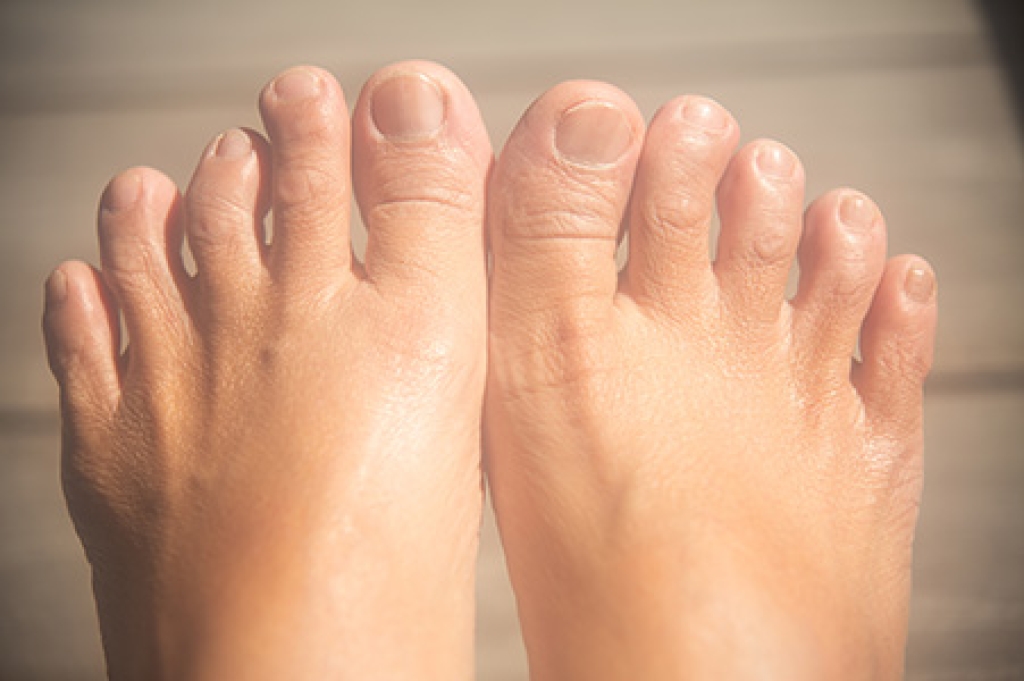
Splay foot describes a widening of the front of the foot, caused by loss of the transverse arch and leading to forefoot instability and altered walking mechanics. Splay foot may develop from inherited foot structure, ligament weakness, excess body weight, prior injury, or repeated stress on the mid-foot. As the metatarsal bones spread, people often notice increasing foot width, discomfort when standing or walking, and shoes that feel tight or wear unevenly. Painful calluses beneath the ball of the foot, burning or tingling sensations, fatigue, and a tendency to walk on the outer edge of the foot are common symptoms. Splay foot can contribute to bunions, hammertoes, and strain that affects posture and gait. A podiatrist can evaluate alignment and identify contributing factors. If your toes are widely separated and are causing pain, it is suggested that you make an appointment with a podiatrist for an exam, diagnosis, and treatment.

If you have any concerns about your feet, contact Dr. David Ungar from Personal Foot Care. Our doctor can provide the care you need to keep you pain-free and on your feet.

Biomechanics in Podiatry

Podiatric biomechanics is a particular sector of specialty podiatry with licensed practitioners who are trained to diagnose and treat conditions affecting the foot, ankle and lower leg. Biomechanics deals with the forces that act against the body, causing an interference with the biological structures. It focuses on the movement of the ankle, the foot and the forces that interact with them.

A History of Biomechanics

  • Biomechanics dates back to the BC era in Egypt where evidence of professional foot care has been recorded.
  • In 1974, biomechanics gained a higher profile from the studies of Merton Root, who claimed that by changing or controlling the forces between the ankle and the foot, corrections or conditions could be implemented to gain strength and coordination in the area.

Modern technological improvements are based on past theories and therapeutic processes that provide a better understanding of podiatric concepts for biomechanics. Computers can provide accurate information about the forces and patterns of the feet and lower legs.

Understanding biomechanics of the feet can help improve and eliminate pain, stopping further stress to the foot.

If you have any questions please feel free to contact our office located in Farmington, MI . We offer the newest diagnostic and treatment technologies for all your foot and ankle needs.
Read more about Biomechanics in Podiatry

Connect With Us

DAVID UNGAR