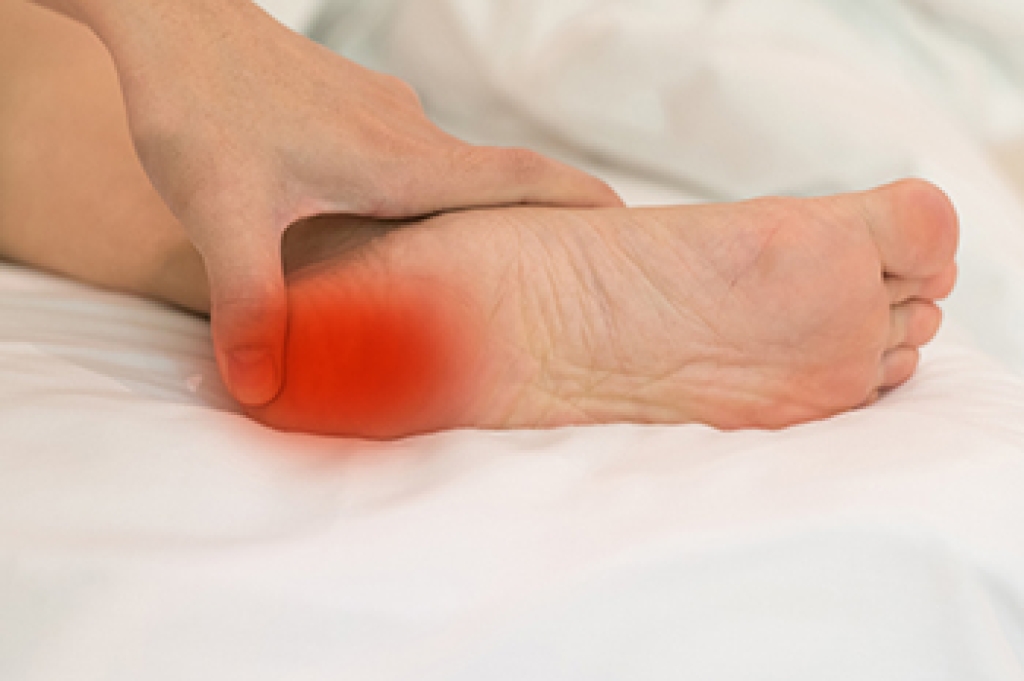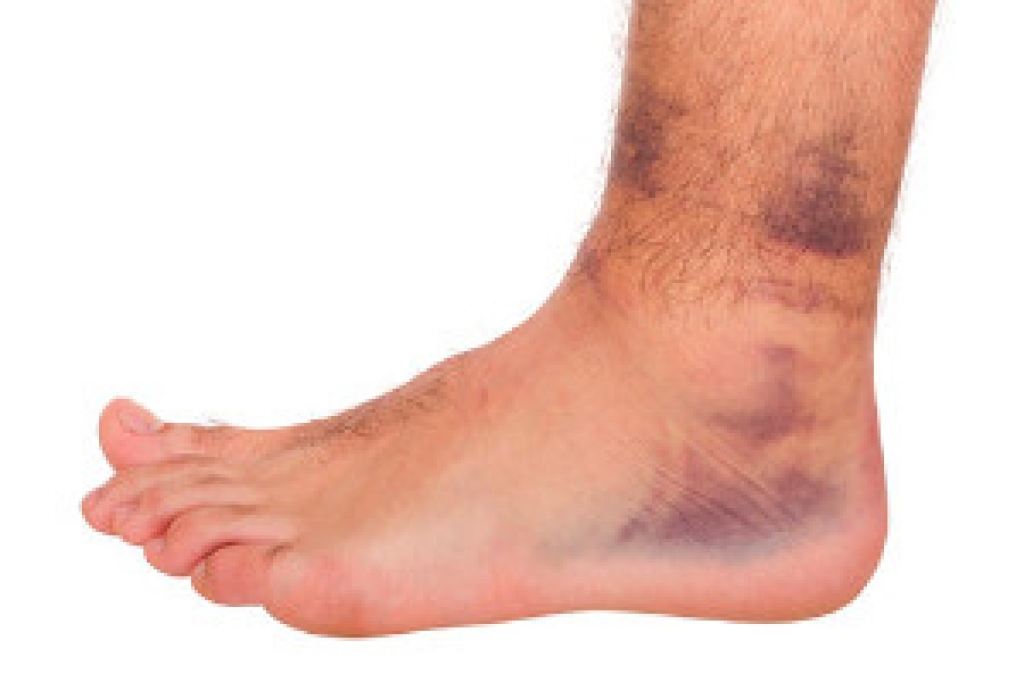
Rare foot conditions can cause unusual pain, stiffness, or changes in the structure of the feet. One example is a complex regional pain syndrome. It often begins after an injury and can cause persistent burning pain, swelling, and skin changes. Symptoms may make it difficult to move the affected foot comfortably. Another rare condition is tarsal coalition, which occurs when two bones in the foot are connected where a movable joint would normally be present. Although people are born with this condition, pain may not appear until later in life.
Tarsal coalition can make the foot stiff and more likely to experience sprains or other injuries. Reduced movement may also place greater stress on nearby joints and contribute to early osteoarthritis. Another uncommon problem is Bessel-Hagen disease. This inherited condition causes abnormal bony growths that can affect the feet and other areas of the body. Some growths cause no discomfort, while others can become painful if they press against nerves or interfere with normal movement. These rare foot conditions can affect mobility in different ways, making an accurate diagnosis important.
A podiatrist can evaluate unexplained foot pain and determine whether a rare foot disorder may be contributing to the symptoms. Medical imaging may be used to identify conditions such as tarsal coalition. Depending on the diagnosis, professional treatment may include foot orthotics or other approaches designed to improve function. Surgery may be considered in certain cases when a condition seriously limits foot mobility. Some rare foot diseases may produce few noticeable symptoms, which can make professional assessment especially valuable when unexplained problems continue. A podiatrist can determine the source of discomfort and develop a treatment plan based on the specific condition. If unexplained foot pain, stiffness, or structural changes are affecting your comfort or mobility, it is suggested that you consult a podiatrist for an evaluation and appropriate treatment options.
Some foot conditions may require additional professional care. If you have any concerns, contact Dr. David Ungar of Personal Foot Care. Our doctor can provide the care you need to keep you pain-free and on your feet.
Rare Foot Conditions
The majority of foot conditions are common and can be treated by a podiatrist. Standard diagnostic procedures are generally used to identify specific conditions and treatment can be rendered. A podiatrist also treats rare foot conditions which can be difficult to diagnose and may need extra attention and care.
There are many rare foot conditions that can affect children. Some of these can include:
- Freiberg’s disease
- Kohler’s disease
- Maffucci syndrome
Freiberg’s disease - This can be seen as a deterioration and flattening of a metatarsal bone that exists in the ball of the foot. It typically affects pre-teen and teenage girls, but can affect anyone at any age. Symptoms that can accompany this can be swelling, stiffness, and the patient may limp.
Kohler’s disease - This often targets the bone in the arch of the foot and affects younger boys. It can lead to an interruption of the blood supply which ultimately can lead to bone deterioration. The patient may limp or experience tenderness, swelling, and redness.
Maffucci syndrome - This affects the long bones in a child’s foot leading to the development of abnormal bone lesions. They are benign growths and typically develop in early childhood and the bones may be susceptible to breaking.
A podiatrist can properly diagnose and treat all types of rare foot conditions. If your child is affected by any of these symptoms or conditions, please don’t hesitate to call our office so the correct treatment method can begin.
If you have any questions, please feel free to contact our office located in Farmington, MI . We offer the newest diagnostic and treatment technologies for all your foot care needs.