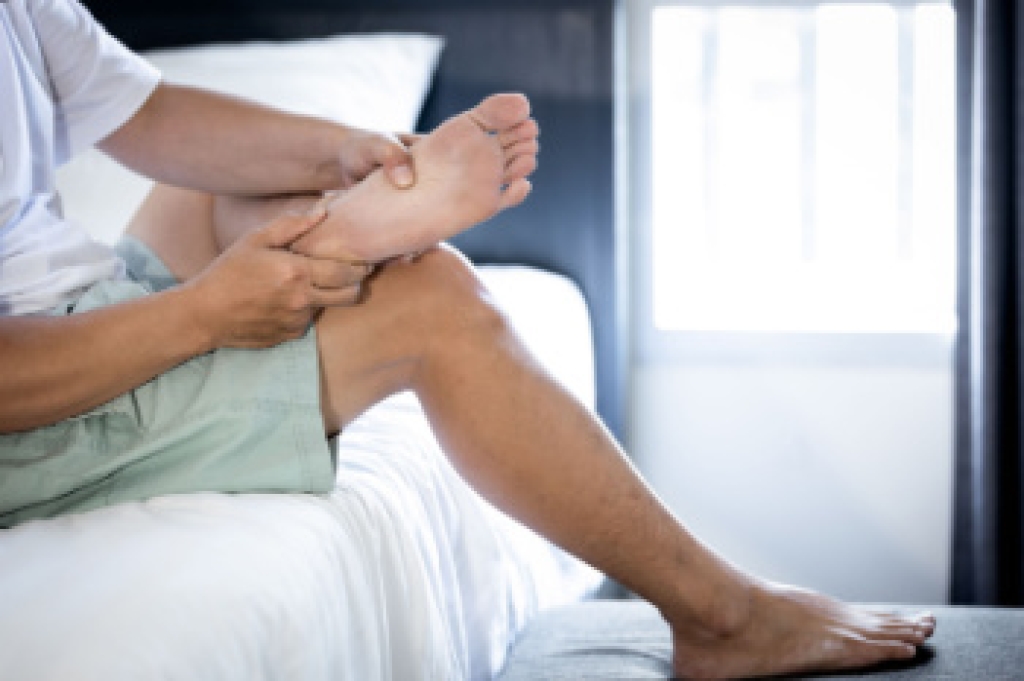
Possible Causes of Foot Pain

Foot pain is a common issue that can arise from various causes, impacting daily activities and overall quality of life. The most common causes include plantar fasciitis, which involves inflammation of the tissue running along the bottom of the foot, and arthritis, which affects the joints. Other frequent sources of foot pain are bunions, caused by misalignment of the big toe joint, and hammertoes, where toes bend abnormally. Injuries such as fractures, sprains, and strains also contribute to foot pain, often resulting from accidents or overuse. Additionally, deformities like flat feet or high arches can lead to discomfort by altering the natural distribution of weight across the foot. Conditions such as tendinitis and neuropathy, particularly in individuals with diabetes, can further contribute to foot pain. Treatment varies depending on the cause but typically includes rest, anti-inflammatory medications, and wearing proper footwear. Stretching exercises and orthotic devices can also help alleviate pain. For persistent or severe foot pain, it is suggested that you consult a podiatrist for a comprehensive diagnosis and tailored treatment plan.

Foot Pain

Foot pain can be extremely painful and debilitating. If you have a foot pain, consult with Dr. David Ungar from Personal Foot Care. Our doctor will assess your condition and provide you with quality foot and ankle treatment.

Causes

Foot pain is a very broad condition that could be caused by one or more ailments. The most common include:

  • Bunions
  • Hammertoes
  • Plantar Fasciitis
  • Bone Spurs
  • Corns
  • Tarsal Tunnel Syndrome
  • Ingrown Toenails
  • Arthritis (such as Gout, Rheumatoid, and Osteoarthritis)
  • Flat Feet
  • Injury (from stress fractures, broken toe, foot, ankle, Achilles tendon ruptures, and sprains)
  • And more

Diagnosis

To figure out the cause of foot pain, podiatrists utilize several different methods. This can range from simple visual inspections and sensation tests to X-rays and MRI scans. Prior medical history, family medical history, and any recent physical traumatic events will all be taken into consideration for a proper diagnosis.

Treatment

Treatment depends upon the cause of the foot pain. Whether it is resting, staying off the foot, or having surgery; podiatrists have a number of treatment options available for foot pain.

If you have any questions, please feel free to contact our office located in Farmington, MI . We offer the newest diagnostic and treatment technologies for all your foot care needs.

Read more about Foot Pain

Potential Foot Ailments During Pregnancy

Pregnancy brings numerous changes to a woman's body, often leading to foot problems. One of the most common issues is flat feet, or overpronation, where increased body weight causes the foot arch to flatten and the feet to roll inward. This can result in pain and additional strain on the feet, calves, and back. Wearing supportive footwear and using orthotics can help alleviate this discomfort. Swelling, or edema, typical in the second or third trimester, results from increased blood volume and pressure, leading to water retention in the legs and feet. Regular movement, elevating the feet, staying hydrated, and reducing salt intake can help reduce swelling. Pregnant women are also prone to developing ingrown toenails due to changes in foot size and shape, often worsened by tighter shoes. Soaking feet in salt water and having toenails properly trimmed can offer relief. Additionally, some women experience hot or burning sensations in their feet due to hormonal changes and increased body temperature. Cracked heels might develop from the added weight and posture changes that cause dry skin and heel expansion. Moisturizing and wearing comfortable shoes can prevent and treat these cracks. If you are experiencing foot pain during pregnancy, it is suggested that you schedule an appointment with a podiatrist for an exam and appropriate treatment.

Pregnant women with swollen feet can be treated with a variety of different methods that are readily available. For more information about other cures for swollen feet during pregnancy, consult with Dr. David Ungar from Personal Foot Care. Our doctor will attend to all of your foot and ankle needs.

What Foot Problems Can Arise During Pregnancy?

One problem that can occur is overpronation, which occurs when the arch of the foot flattens and tends to roll inward.  This can cause pain and discomfort in your heels while you’re walking or even just standing up, trying to support your baby.  

Another problem is edema, or swelling in the extremities. This often affects the feet during pregnancy but tends to occur in the later stages. 

How Can I Keep My Feet Healthy During Pregnancy?

  • Wearing orthotics can provide extra support for the feet and help distribute weight evenly
  • Minimize the amount of time spent walking barefoot
  • Wear shoes with good arch support
  • Wear shoes that allow for good circulation to the feet
  • Elevate feet if you experience swelling
  • Massage your feet
  • Get regular, light exercise, such as walking, to promote blood circulation to the feet

If you have any questions, please feel free to contact our office located in Farmington, MI . We offer the newest diagnostic and treatment technologies for all your foot care needs.
Read more about Foot Care for Pregnant Women

Mobility Threats and Risk Factors of Cracked Heels

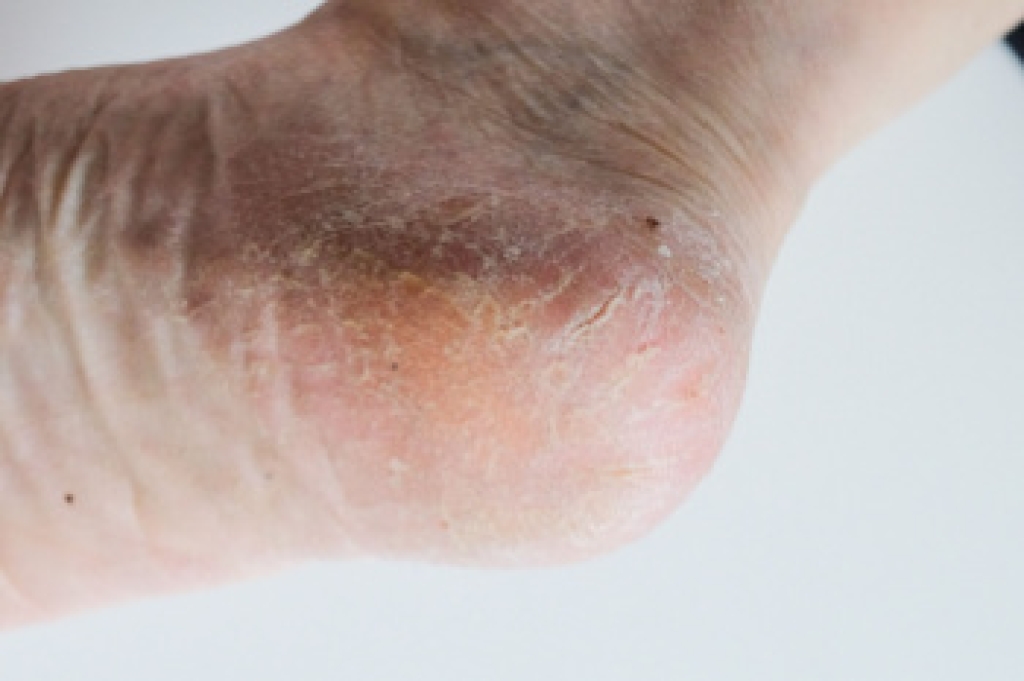
Cracked heels, also known as heel fissures, are a common foot condition where the skin on the heels becomes dry, thick, and cracked. These fissures can range from superficial to deep, causing pain and discomfort, and in severe cases, bleeding and infection. Cracked heels can significantly threaten mobility, making walking or standing painful and challenging. Risk factors include prolonged standing, obesity, wearing open-back shoes, and having dry skin or certain medical conditions such as diabetes and hypothyroidism. Additionally, aging can reduce skin elasticity, increasing the likelihood of developing cracked heels. Maintaining proper foot hygiene, moisturizing regularly, and wearing supportive footwear can help prevent and manage this condition, ensuring that mobility is not compromised and the risk of complications is minimized.

Cracked heels are unsightly and can cause further damage to your shoes and feet. If you have any concerns, contact Dr. David Ungar from Personal Foot Care. Our doctor can provide the care you need to keep you pain-free and on your feet.

Cracked Heels

Cracked heels appear unappealing and can make it harder for you walk around in sandals. Aside from looking unpleasant, cracked heels can also tear stockings, socks, and wear out your shoes. There are several methods to help restore a cracked heel and prevent further damage.

How Do You Get Them?

Dry skin is the number one culprit in creating cracked heels. Many athletes, walkers, joggers, and even swimmers suffer from cracked heels. Age and skin oil production play a role to getting cracked heels as well.

Promote Healing

Over the counter medicines can help, especially for those that need instant relief or who suffer from chronic dry feet.

Wear Socks – Wearing socks with medicated creams helps lock in moisture.

Moisturizers – Applying both day and night will help alleviate dryness which causes cracking.

Pumice Stones – These exfoliate and remove dead skin, which allows for smoother moisturizer application and better absorption into the skin. 

Change in Diet

Eating healthy with a well-balanced diet will give the skin a fresh and radiant look. Your body responds to the kinds of food you ingest. Omega-3 fatty acids and zinc supplements can also revitalize skin tissue.

Most importantly, seek professional help if unsure how to proceed in treating cracked heels. A podiatrist will help you with any questions or information needed. 

If you have any questions, please feel free to contact our office located in Farmington, MI . We offer the newest diagnostic and treatment technologies for all your foot care needs.
Read more about Solutions for Cracked Heels

Achilles Tendon Ruptures in Sports Activities

Achilles tendon ruptures are a significant injury that can often affecting athletes engaged in high-impact sports like basketball, soccer, and tennis. This injury happens when the tendon connecting the calf muscles to the heel bone tears, typically during a sudden acceleration, jump, or change in direction. The rupture results in immediate pain, swelling, and an inability to push off the foot or stand on tiptoe. Risk factors include inadequate warm-up, tight calf muscles, and previous tendonitis. Early diagnosis and treatment are important and may include surgical repair for optimal recovery. Preventative measures, such as regular stretching, strengthening exercises, and wearing appropriate footwear, can reduce the risk of an Achilles tendon rupture. If you have endured this type of injury, it is suggested that you schedule an appointment with a podiatrist who can successfully treat an Achilles tendon injury.

Achilles tendon injuries need immediate attention to avoid future complications. If you have any concerns, contact Dr. David Ungar of Personal Foot Care. Our doctor can provide the care you need to keep you pain-free and on your feet.

What Is the Achilles Tendon?

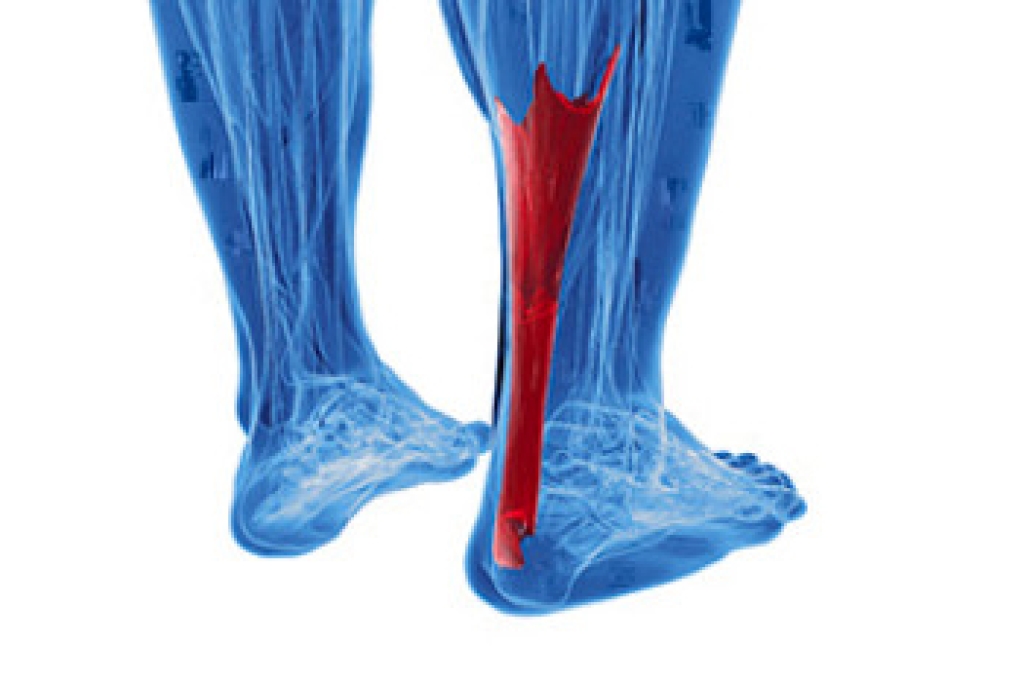
The Achilles tendon is a tendon that connects the lower leg muscles and calf to the heel of the foot. It is the strongest tendon in the human body and is essential for making movement possible. Because this tendon is such an integral part of the body, any injuries to it can create immense difficulties and should immediately be presented to a doctor.

What Are the Symptoms of an Achilles Tendon Injury?

There are various types of injuries that can affect the Achilles tendon. The two most common injuries are Achilles tendinitis and ruptures of the tendon.

Achilles Tendinitis Symptoms

  • Inflammation
  • Dull to severe pain
  • Increased blood flow to the tendon
  • Thickening of the tendon

Rupture Symptoms

  • Extreme pain and swelling in the foot
  • Total immobility

Treatment and Prevention

Achilles tendon injuries are diagnosed by a thorough physical evaluation, which can include an MRI. Treatment involves rest, physical therapy, and in some cases, surgery. However, various preventative measures can be taken to avoid these injuries, such as:

  • Thorough stretching of the tendon before and after exercise
  • Strengthening exercises like calf raises, squats, leg curls, leg extensions, leg raises, lunges, and leg presses

If you have any questions please feel free to contact our office located in Farmington, MI . We offer the newest diagnostic tools and technology to treat your foot and ankle needs.

Read more about The Causes, Types, and Treatments of Achilles Tendon Injuries

Explaining Haglund’s Deformity

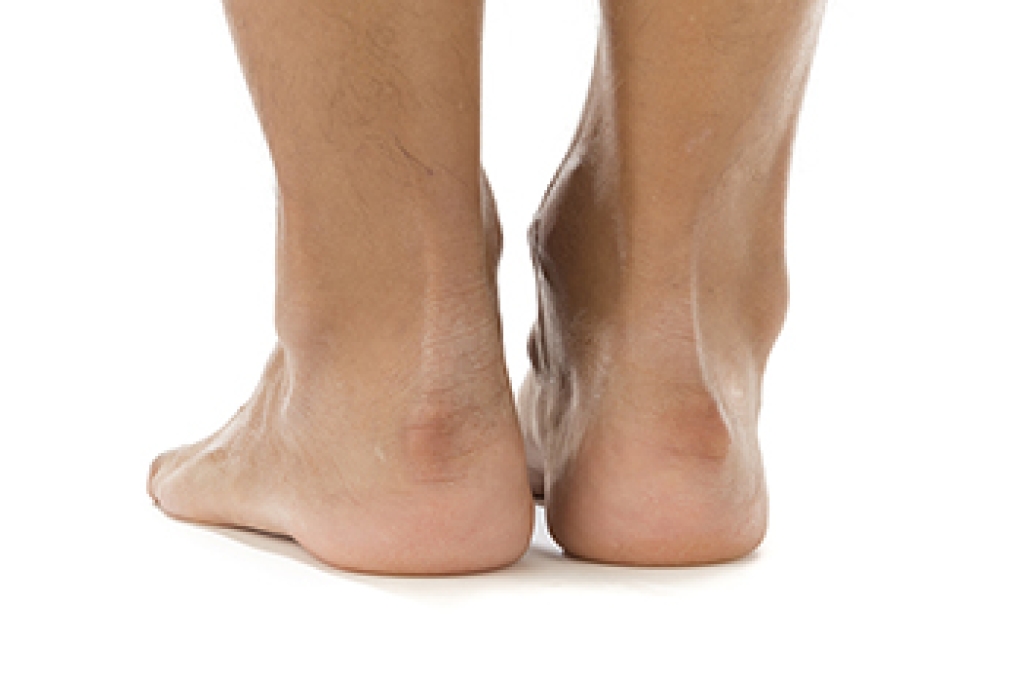
Haglund's deformity, commonly known as pump bump, is a bony enlargement that forms where the Achilles tendon attaches to the back of the heel bone. This painful condition often results from repetitive friction caused by wearing stiff or poorly fitting shoes, such as high heels or rigid-backed footwear. The constant rubbing leads to inflammation, redness, swelling, and the formation of calluses around the affected area. Those with abnormal foot mechanics, such as foot supination or high arches, are at higher risk of Haglund’s deformity. Symptoms include a visible bony bump, pain at the back of the heel, and swelling, particularly when wearing tight shoes. Conservative treatment includes reducing pressure and friction through wearing better-fitting footwear, heel pads, and certain exercises to alleviate pain and inflammation. In severe cases, surgery may be necessary to remove the bony protrusion and restore normal function. If you are experiencing persistent heel pain or suspect you have Haglund's deformity, it is suggested that you schedule an appointment with a podiatrist for an exam, a diagnosis and suggestions for treatment.

Many people suffer from bouts of heel pain. For more information, contact Dr. David Ungar of Personal Foot Care. Our doctor can provide the care you need to keep you pain-free and on your feet.

Causes of Heel Pain

Heel pain is often associated with plantar fasciitis. The plantar fascia is a band of tissues that extends along the bottom of the foot. A rip or tear in this ligament can cause inflammation of the tissue.

Achilles tendonitis is another cause of heel pain. Inflammation of the Achilles tendon will cause pain from fractures and muscle tearing. Lack of flexibility is also another symptom.

Heel spurs are another cause of pain. When the tissues of the plantar fascia undergo a great deal of stress, it can lead to ligament separation from the heel bone, causing heel spurs.

Why Might Heel Pain Occur?

  • Wearing ill-fitting shoes                
  • Wearing non-supportive shoes
  • Weight change           
  • Excessive running

Treatments

Heel pain should be treated as soon as possible for immediate results. Keeping your feet in a stress-free environment will help. If you suffer from Achilles tendonitis or plantar fasciitis, applying ice will reduce the swelling. Stretching before an exercise like running will help the muscles. Using all these tips will help make heel pain a condition of the past.

If you have any questions, please feel free to contact our office located in Farmington, MI . We offer the newest diagnostic and treatment technologies for all your foot care needs.

Read more about Heel Pain

Connect With Us

DAVID UNGAR