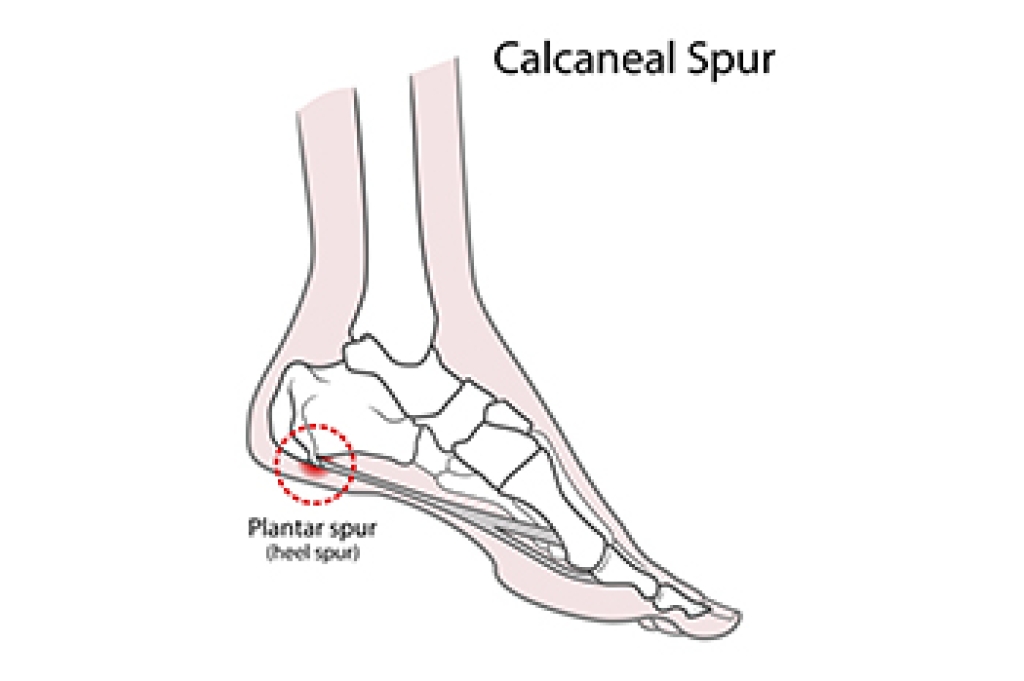
Why Do I Have A Heel Spur?

Heel spurs can be painful. They are defined as bony growths that develop on the underside of the heel and can measure up to one inch. Heel spurs can be caused by inflammation and tension in the plantar fascia from standing on hard surfaces for most of the day. They may also occur from wearing shoes that have limited cushioning in the heel area, or from a foot injury. Some people have a bone deformity or muscle imbalance, which may also lead to the development of a heel spur. A common symptom that many patients experience is heel pain that is worse in the morning and may slightly subside as the day progresses. Mild relief may be found when supportive shoes are worn. If you have a heel spur, it is strongly suggested that you consult with a podiatrist who can provide you with the best treatment options.

Heel spurs can be incredibly painful and sometimes may make you unable to participate in physical activities. To get medical care for your heel spurs, contact Dr. David Ungar from Personal Foot Care. Our doctor will do everything possible to treat your condition.

Heels Spurs

Heel spurs are formed by calcium deposits on the back of the foot where the heel is. This can also be caused by small fragments of bone breaking off one section of the foot, attaching onto the back of the foot. Heel spurs can also be bone growth on the back of the foot and may grow in the direction of the arch of the foot.

Older individuals usually suffer from heel spurs and pain sometimes intensifies with age. One of the main condition's spurs are related to is plantar fasciitis.

Pain

The pain associated with spurs is often because of weight placed on the feet. When someone is walking, their entire weight is concentrated on the feet. Bone spurs then have the tendency to affect other bones and tissues around the foot. As the pain continues, the feet will become tender and sensitive over time.

Treatments

There are many ways to treat heel spurs. If one is suffering from heel spurs in conjunction with pain, there are several methods for healing. Medication, surgery, and herbal care are some options.

If you have any questions, please feel free to contact our office located in Farmington, MI . We offer the newest diagnostic and treatment technologies for all your foot care needs.


Read more about Heel Spurs

It's Time for Beautiful Feet

You don't need an excuse to have beautiful nails. Step outside without worrying about the appearance of your feet.

Considering Speed When Choosing a Running Shoe

When choosing or shopping for a running shoe, many runners and athletes consider a variety of factors. For example, runners might select a specific type of shoe because it is better suited to a particular kind of terrain. The degree to which running shoes might actually increase an athlete’s speed, however, is another important factor to consider when purchasing a pair of running shoes. This is to say that running shoes might actually make a runner faster because a good pair of running shoes will essentially increase one’s running economy. In other words, good running shoes might maximize the effort that a runner puts into their runs, ultimately increasing their speed. If you are someone who is looking for the perfect pair of running shoes, it is suggested that you contact a podiatrist today.

If you are a runner, wearing the right running shoe is essential. For more information, contact Dr. David Ungar from Personal Foot Care. Our doctor can provide the care you need to keep you pain-free and on your feet.

Choosing the Right Running Shoe for Your Foot Type

To increase performance and avoid the risk of injury, it is important to choose the right running shoe based on your foot type. The general design of running shoes revolves around pronation, which is how the ankle rolls from outside to inside when the foot strikes the ground.

  • Neutral runners are able to choose from a wide variety of shoes, including minimalist shoes or even going barefoot.
  • Runners who overpronate, or experience an over-abundance of ankle rolling, should choose shoes that provide extra motion control and stability.
  • Runners who underpronate, or supinate, have feet that have high arches and lack flexibility, preventing shock absorption. They require shoes with more flexibility and cushion.

If you have any questions, please feel free to contact our office located in Farmington, MI . We offer the newest diagnostic and treatment technologies for all your foot care needs.
Read more about Choosing the Right Running Shoe for Your Foot Type

Treatment for Diabetic Foot Infections

Some diabetic patients suffer from foot ulcers, and research shows that about 40% of these ulcers become infected. The risk of foot infections becomes higher when someone with diabetes has other foot conditions, like bunions or hammertoe, that involve high compression areas of the foot. Signs of foot infections include tenderness, warmth, and drainage. Podiatrists can take cultures of these ulcers to help guide treatment options, usually involving antibiotics. Severe infections can lead to more serious conditions, such as cellulitis and necrotizing fasciitis, and may require surgery. Many diabetics develop peripheral neuropathy, causing a loss of sensation in their feet and making them unaware of problems brewing on their feet. Due to the potential seriousness of diabetic foot infections, it is strongly suggested that diabetic patients are under the care of a podiatrist to get regular foot examinations. If a foot wound develops, see a podiatrist immediately.

Wound care is an important part in dealing with diabetes. If you have diabetes and a foot wound or would like more information about wound care for diabetics, consult with Dr. David Ungar from Personal Foot Care. Our doctor will assess your condition and provide you with quality foot and ankle treatment.

What Is Wound Care?

Wound care is the practice of taking proper care of a wound. This can range from the smallest to the largest of wounds. While everyone can benefit from proper wound care, it is much more important for diabetics. Diabetics often suffer from poor blood circulation which causes wounds to heal much slower than they would in a non-diabetic. 

What Is the Importance of Wound Care?

While it may not seem apparent with small ulcers on the foot, for diabetics, any size ulcer can become infected. Diabetics often also suffer from neuropathy, or nerve loss. This means they might not even feel when they have an ulcer on their foot. If the wound becomes severely infected, amputation may be necessary. Therefore, it is of the upmost importance to properly care for any and all foot wounds.

How to Care for Wounds

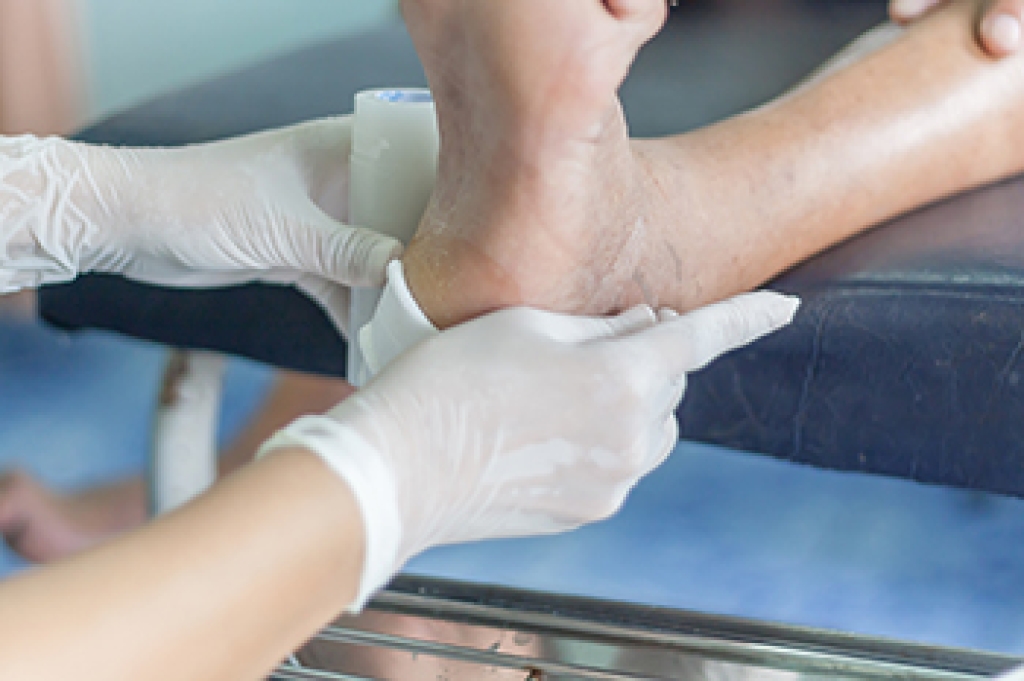
The best way to care for foot wounds is to prevent them. For diabetics, this means daily inspections of the feet for any signs of abnormalities or ulcers. It is also recommended to see a podiatrist several times a year for a foot inspection. If you do have an ulcer, run the wound under water to clear dirt from the wound; then apply antibiotic ointment to the wound and cover with a bandage. Bandages should be changed daily and keeping pressure off the wound is smart. It is advised to see a podiatrist, who can keep an eye on it.

If you have any questions please contact our office located in Farmington, MI . We offer the newest diagnostic and treatment technologies for all your foot and ankle needs.

Read more about Wound Care

Wearing Shoes With Hammertoe

Hammertoe is certainly one of the peskiest conditions affecting the feet because it can make wearing shoes more uncomfortable. Hammertoe is defined by the jutting up of the middle joint of the toe, creating a shape that resembles a hammer. Since this creates a deformity in the shape of the shoe, it might be more difficult to wear shoes comfortably. Patients with hammertoe often need the help of a podiatrist in selecting shoes that will not aggravate this condition. Upon examining your specific condition, the podiatrist might recommend to you that you should be wearing shoes with larger toe boxes. By wearing this kind of shoe, the patient will essentially accommodate the peculiar toe shape by providing it with more space in the shoe. It is suggested that you contact a podiatrist and schedule an appointment for more information.

Hammertoe

Hammertoes can be a painful condition to live with. For more information, contact Dr. David Ungar from Personal Foot Care. Our doctor will answer any of your foot- and ankle-related questions.

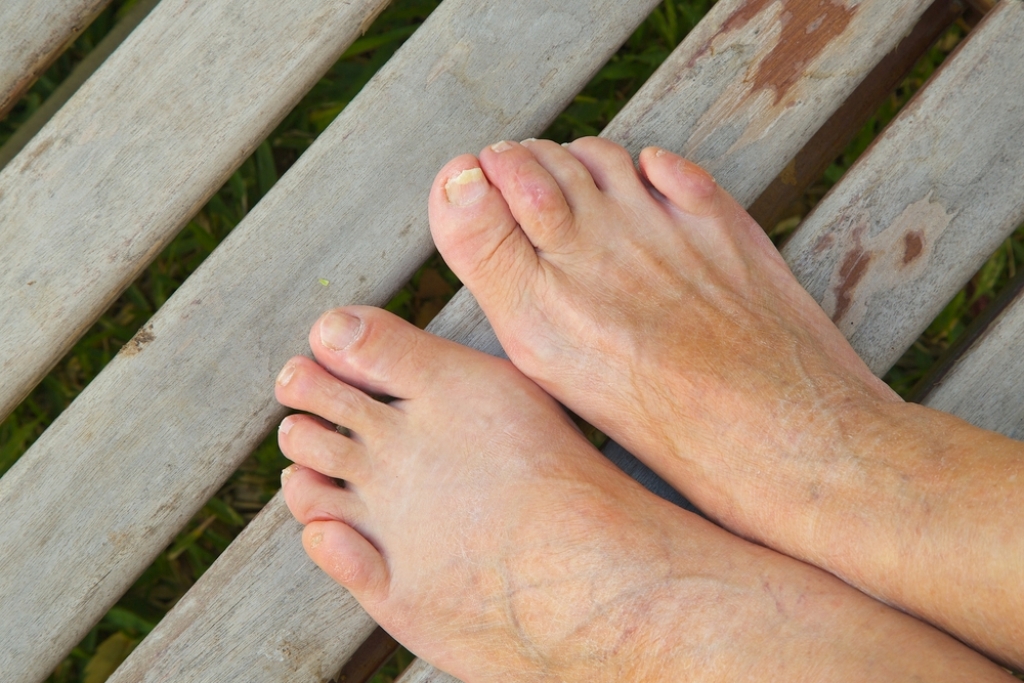
Hammertoe is a foot deformity that affects the joints of the second, third, fourth, or fifth toes of your feet. It is a painful foot condition in which these toes curl and arch up, which can often lead to pain when wearing footwear.

Symptoms

  • Pain in the affected toes
  • Development of corns or calluses due to friction
  • Inflammation
  • Redness
  • Contracture of the toes

Causes

Genetics – People who are genetically predisposed to hammertoe are often more susceptible

Arthritis – Because arthritis affects the joints in your toes, further deformities stemming from arthritis can occur

Trauma – Direct trauma to the toes could potentially lead to hammertoe

Ill-fitting shoes – Undue pressure on the front of the toes from ill-fitting shoes can potentially lead to the development of hammertoe

Treatment

Orthotics – Custom made inserts can be used to help relieve pressure placed on the toes and therefore relieve some of the pain associated with it

Medications – Oral medications such as anti-inflammatories or NSAIDs could be used to treat the pain and inflammation hammertoes causes. Injections of corticosteroids are also sometimes used

Surgery – In more severe cases where the hammertoes have become more rigid, foot surgery is a potential option

If you have any questions, please feel free to contact our office located in Farmington, MI . We offer the newest diagnostic and treatment technologies for all your foot care needs.
Read more about Hammertoe

Connect With Us

DAVID UNGAR