Is Reflexology an Effective Form of Foot Therapy?

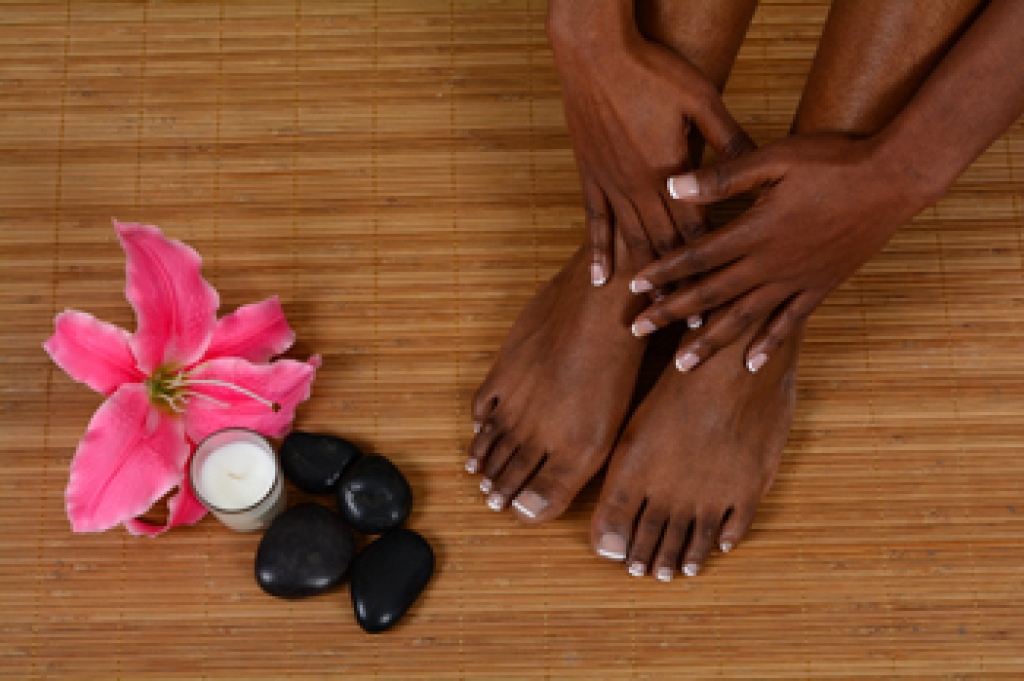
An effective form of foot therapy is known as foot reflexology. There are many patients who enjoy the benefits of this type of therapy, including a general feeling of well being and even stress reduction. Zone therapy is another name for reflexology, and it is practiced by applying pressure to the feet with the hands. Additional benefits include improved blood circulation, balanced energy, and nerve responses may increase. There are zones in the feet that correspond to different organs in the body and can be stimulated when pressure is applied. Research has shown that there are certain ailments that may be helped while practicing foot reflexology, such as migraine headaches and digestion problems. If you would like to learn more about the benefits of foot reflexology and how it is performed, please consult a podiatrist.

Foot therapy is often necessary for those recovering from either foot deformities or foot injuries. If you have concerns regarding therapy, consult with Dr. David Ungar from Personal Foot Care. Our doctor can provide the care you need to keep you pain-free and on your feet.

Most Common Injuries

People who are active or athletes are prone to a variety of injuries. Therefore, it is often important to take part in physical therapy in order to quickly get back on the right track. 

What to Do When Injured

Physical Therapy – This specialized treatment will focus on the affected area, speeding up recovery and the overall healing process. It is a proven method that has helped millions of people return from any injury.

During physical therapy you will undergo regimented training to get back into full form. Training is often very difficult, especially at first when the foot feels weak. Physical therapy often involves:

Basic stretching and twisting exercises – getting the feet’s mobility and flexibility up.

Massaging – the therapist will massage the injured area in order to activate the muscles and relax them.

Strengthening Exercises – this allows the muscles in the affected area to regain their full strength, a vital step towards full recovery.

If you have any questions, please feel free to contact our office located in Farmington, MI . We offer the newest diagnostic and treatment technologies for all your foot care needs.
Read more about Foot Therapy for Sports Injuries

Foot Care and Aging

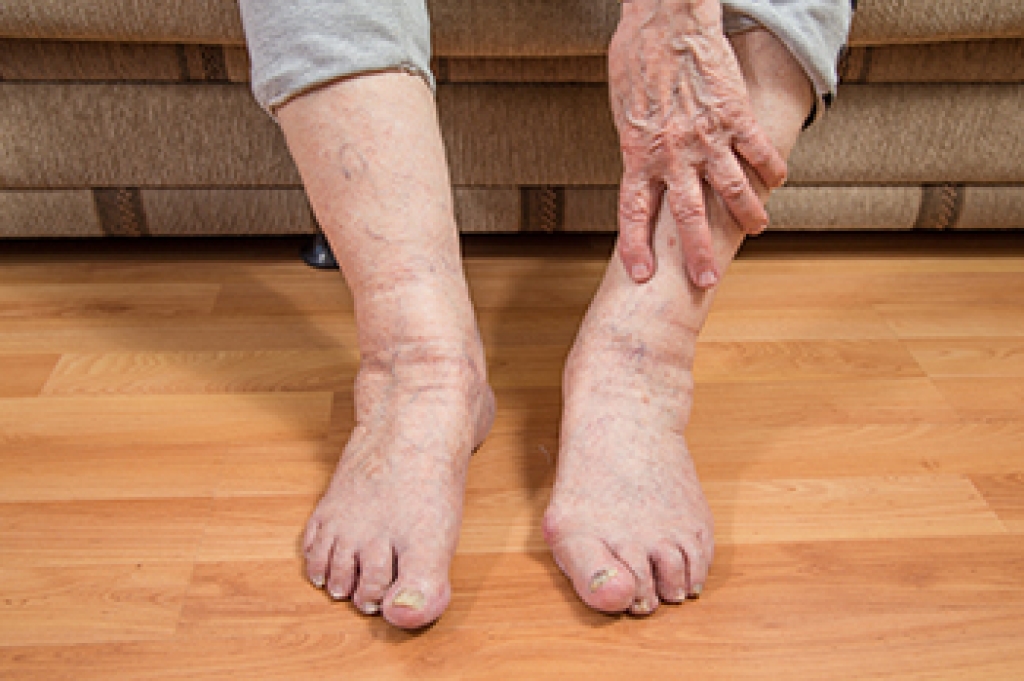
As one ages, it is important that foot care be maintained as their feet have worked for them for a long time and are apt to suffer from some wear and tear. At the least, an elderly person’s feet tend to flatten, widen, and have less padding that leaves bones and joints more unstable. Seemingly small problems like ingrown toenails or a minor cut can result in a barrage of health conditions that can impact an older adult’s health and well-being. Having healthy feet helps seniors to remain mobile, independent, and upright. Essential to good foot care are keeping one’s feet clean, proper drying and moisturizing of feet, wearing well-fitting socks and shoes that do not rub or cause friction, trimming toenails straight across, and monitoring any developing sores. An elderly person who cannot do these things for themselves, can enlist the services of a podiatrist and through regular visits, keep their feet in tip-top shape, and prevent burgeoning problems from worsening.

If you need your feet checked, contact Dr. David Ungar of Personal Foot Care. Our doctor will attend to all of your foot and ankle needs and provide you with quality treatment.

Geriatrics and Podiatry
When people age, some common issues that may occur are bone density loss, dry skin, poor circulation, and rough brittle nails. These issues may also affect your foot health if the necessary steps are not taken to alleviate the problems.

It is important to take care of your feet because feet that are injured or diseased can affect your overall health. Having painful feet hinders your ability to do daily activities or may decrease your willingness to do the things that you need to do.

Visiting Your Geriatrician
As we age, health problems become more likely, so it is essential to visit your doctor for check-ups to ensure that you are doing the best you can to take care of your health. It is recommended to check your feet frequently for any possible cuts, bruises, swelling, corns or any other irregularities. 

Taking Care of Elderly Feet
Cracked or dry feet can be treated by applying moisturizer often. It is also important not to wear old socks because the older the sock is, the higher the possibility there will be that there is bacteria there. Wear fresh socks and make sure they fit properly.

Proper foot health means that you can have a more active lifestyle and you will not be bogged down by pain. Foot health also leads to good circulation, which is paramount for overall health.

If you have any questions, please feel free to contact our office located in Farmington, MI . We offer the newest diagnostic and treatment technologies for all your foot care needs.

Read more about Geriatrics and Podiatry

Understanding an Achilles Tendon Rupture

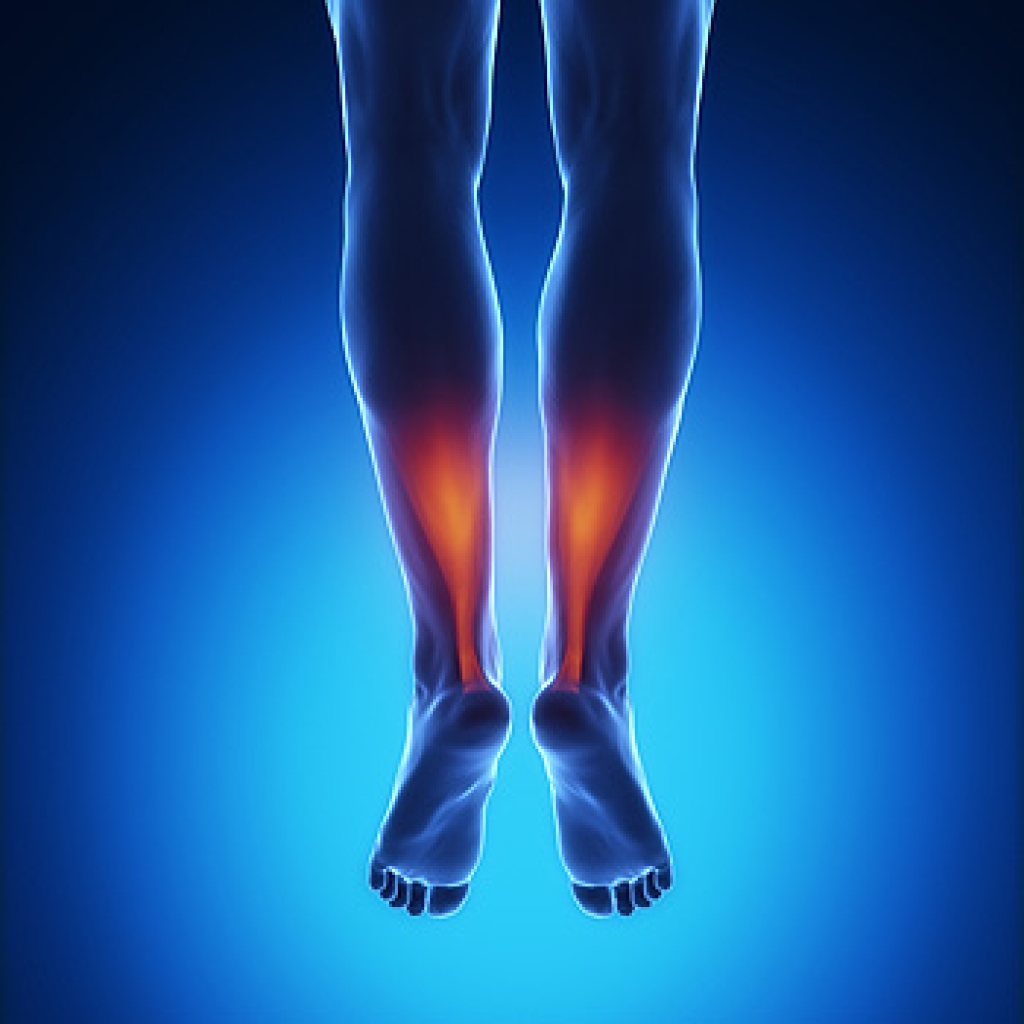
An Achilles tendon rupture is an injury that happens when there is sudden and overwhelming pressure put on the Achilles tendon – the band of fibrous tissue that links the muscles of the calf to the heel. There will usually be a popping noise and intense pain with this injury and the area may burn and become swollen and stiff. You will have trouble standing and pushing off from that leg. Rest, cold compresses, physical therapy, and attention to a proper diet can all help, but this condition is slow to heal. A podiatrist can perform what is known as the Thompson Test to determine if you have ruptured your Achilles tendon. This test consists of a simple manipulation of the back of the calf, specifically, your soleus complex muscle group. If the area does not tense up and bend (a natural reflex of the manipulation), you may have ruptured this major tendon or there has been a detachment of the tendon from the muscle or bone. A consultation with a podiatrist is suggested if you suspect you have injured or ruptured your Achilles tendon for a proper treatment plan.

Achilles tendon injuries need immediate attention to avoid future complications. If you have any concerns, contact Dr. David Ungar of Personal Foot Care. Our doctor can provide the care you need to keep you pain-free and on your feet.

What Is the Achilles Tendon?

The Achilles tendon is a tendon that connects the lower leg muscles and calf to the heel of the foot. It is the strongest tendon in the human body and is essential for making movement possible. Because this tendon is such an integral part of the body, any injuries to it can create immense difficulties and should immediately be presented to a doctor.

What Are the Symptoms of an Achilles Tendon Injury?

There are various types of injuries that can affect the Achilles tendon. The two most common injuries are Achilles tendinitis and ruptures of the tendon.

Achilles Tendinitis Symptoms

  • Inflammation
  • Dull to severe pain
  • Increased blood flow to the tendon
  • Thickening of the tendon

Rupture Symptoms

  • Extreme pain and swelling in the foot
  • Total immobility

Treatment and Prevention

Achilles tendon injuries are diagnosed by a thorough physical evaluation, which can include an MRI. Treatment involves rest, physical therapy, and in some cases, surgery. However, various preventative measures can be taken to avoid these injuries, such as:

  • Thorough stretching of the tendon before and after exercise
  • Strengthening exercises like calf raises, squats, leg curls, leg extensions, leg raises, lunges, and leg presses

If you have any questions please feel free to contact our office located in Farmington, MI . We offer the newest diagnostic tools and technology to treat your foot and ankle needs.

Read more about What are Achilles Tendon Injuries

It's Time for Beautiful Feet

You don't need an excuse to have beautiful nails. Step outside without worrying about the appearance of your feet.

What Might Be Causing Your Heel Pain

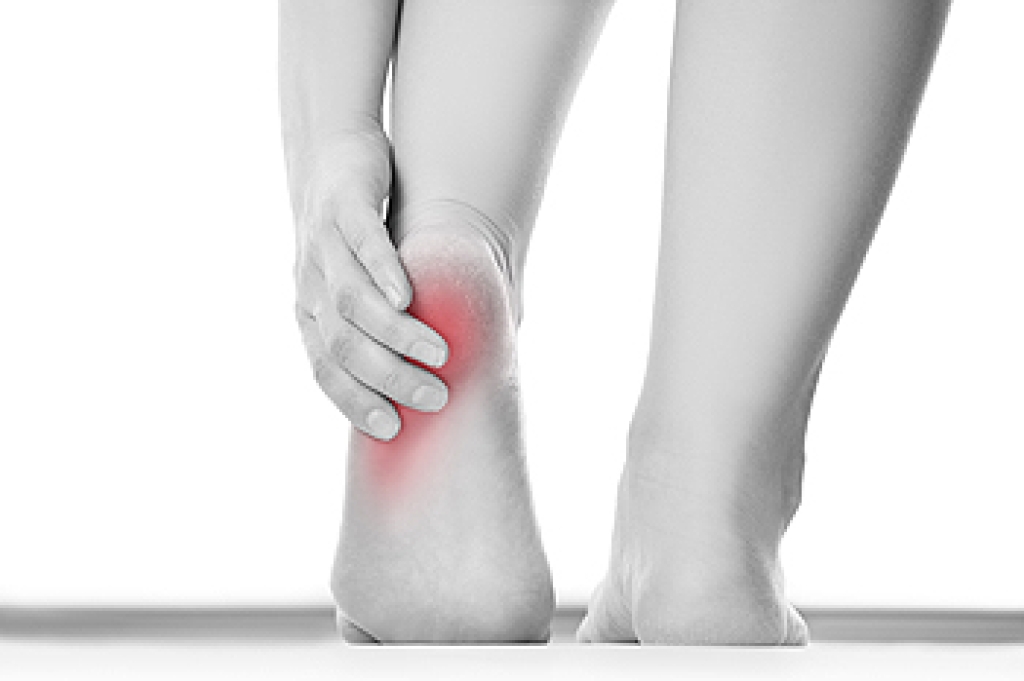
Heel pain—and pain at the back of the feet—in older adults can typically be caused by plantar fasciitis, Achilles tendon injuries, or various types of bursitis. Plantar fasciitis causes pain and stiffness at the bottom of heel, when the plantar fascia tissue that attaches there becomes damaged/torn and inflamed. It can typically be treated by night splinting to keep the plantar fascia in a neutral position, custom orthotics, corticosteroid injections, physical therapy, shockwave therapy, and more. Bursitis is an inflammation of one of the bursas in the feet. Bursas are sacs filled with fluid that provide cushioning between bones and tendons and help reduce friction between bones. Bursitis in the feet can occur either where the plantar fascia or the Achilles tendon attaches to the heel bone, or in response to pressure from shoes at the back of the foot. These conditions can often be treated with footwear modifications, heel pads, gel wraps, orthotics and padding, corticosteroid injections, physical therapy, night splints, non-steroidal anti-inflammatory drugs, cold or warm compresses and more. If you have any type of pain in your heel, call a podiatrist. They are experts at diagnosing and treating all forms of heel pain.

Many people suffer from bouts of heel pain. For more information, contact Dr. David Ungar of Personal Foot Care. Our doctor can provide the care you need to keep you pain-free and on your feet.

Causes of Heel Pain

Heel pain is often associated with plantar fasciitis. The plantar fascia is a band of tissues that extends along the bottom of the foot. A rip or tear in this ligament can cause inflammation of the tissue.

Achilles tendonitis is another cause of heel pain. Inflammation of the Achilles tendon will cause pain from fractures and muscle tearing. Lack of flexibility is also another symptom.

Heel spurs are another cause of pain. When the tissues of the plantar fascia undergo a great deal of stress, it can lead to ligament separation from the heel bone, causing heel spurs.

Why Might Heel Pain Occur?

  • Wearing ill-fitting shoes                
  • Wearing non-supportive shoes
  • Weight change           
  • Excessive running

Treatments

Heel pain should be treated as soon as possible for immediate results. Keeping your feet in a stress-free environment will help. If you suffer from Achilles tendonitis or plantar fasciitis, applying ice will reduce the swelling. Stretching before an exercise like running will help the muscles. Using all these tips will help make heel pain a condition of the past.

If you have any questions, please feel free to contact our office located in Farmington, MI . We offer the newest diagnostic and treatment technologies for all your foot care needs.
Read more about Heel Pain

Connect With Us

DAVID UNGAR