
Custom orthotics, or shoe inserts, should be periodically replaced. Orthotics must fit properly to give you the best results. Protect your feet and ankles!
Custom orthotics, or shoe inserts, should be periodically replaced. Orthotics must fit properly to give you the best results. Protect your feet and ankles!

If you or someone you love is having difficulty walking up stairs, struggles with balance, or is prone to tripping or falling, they may have a condition known as foot drop. This condition makes it difficult for a person to lift the front part of the foot, and may also cause numbness, weakness, and limpness in the foot. Foot drop may also trigger a change in how a person walks, in order to counteract these impediments. Foot drop most typically occurs when the peroneal nerve (which controls the muscles that lift the foot) becomes damaged due to compression, injury, or disease. It may also be due to a muscular or anatomical issue. This condition may be temporary or permanent, with possible treatments including orthosis, orthotics, physical therapy, nerve stimulation, or even surgery if necessary. Because the symptoms of foot drop can raise a person’s risk of falling and/or tripping, a podiatrist should be consulted as soon as possible to explore all treatment options.
Preventing falls among the elderly is very important. If you are older and have fallen or fear that you are prone to falling, consult with Dr. David Ungar from Personal Foot Care. Our doctor will assess your condition and provide you with quality advice and care.
Every 11 seconds, an elderly American is being treated in an emergency room for a fall related injury. Falls are the leading cause of head and hip injuries for those 65 and older. Due to decreases in strength, balance, senses, and lack of awareness, elderly persons are very susceptible to falling. Thankfully, there are a number of things older persons can do to prevent falls.
How to Prevent Falls
Some effective methods that older persons can do to prevent falls include:
Falling can be a traumatic and embarrassing experience for elderly persons; this can make them less willing to leave the house, and less willing to talk to someone about their fears of falling. Doing such things, however, will increase the likelihood of tripping or losing one’s balance. Knowing the causes of falling and how to prevent them is the best way to mitigate the risk of serious injury.
If you have any questions, please feel free to contact our office located in Farmington, MI . We offer the newest diagnostic and treatment technologies for all your foot care needs.
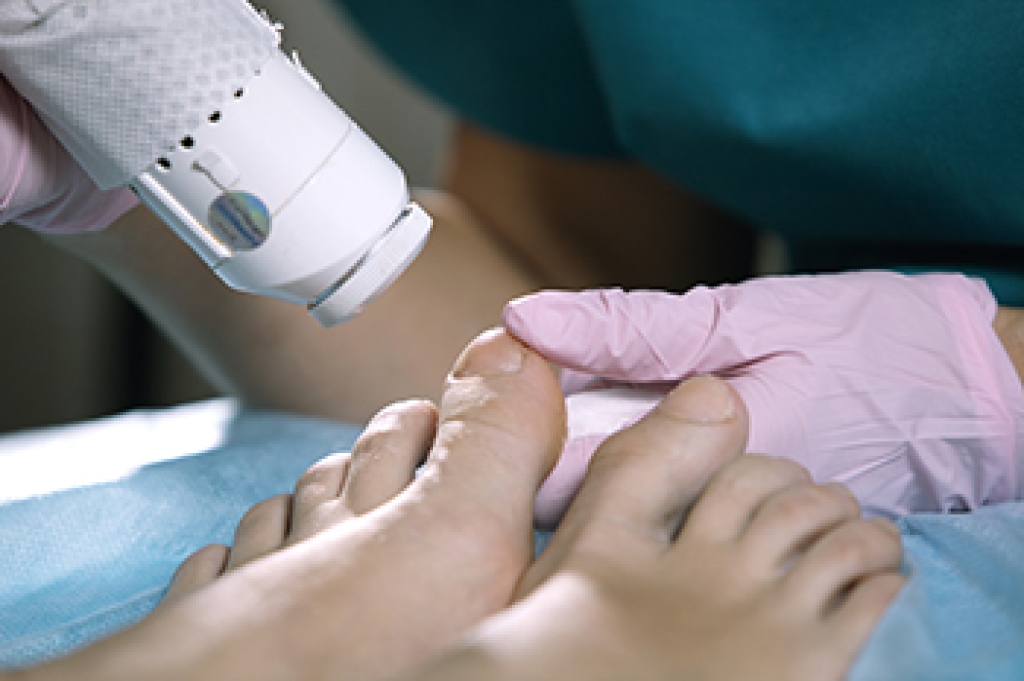
Onychomycosis is a fungal infection of the nail typically characterized by a thickening and discoloration of the nail, a separation of the nail from its bed, pain, and even permanent damage to the nail in severe cases. Because onychomycosis can be difficult to cure and is prone to reoccur, home remedies are typically ineffective, as are many topical and oral antifungal medications. Laser therapy treatments to eradicate toenail fungus have proved to be successful in many patients. This technology utilizes pulses of energy to create precisely targeted heat that kills the fungus living in the nail bed (under the toenail) and prevents it from growing back. The FDA has approved several types of laser devices for the treatment of onychomycosis. If you have a toenail fungus, it is suggested that you make an appointment with a podiatrist to see if you might be a good candidate for Laser therapy treatment.
Laser treatment can be an effective way to get rid of toenail fungus. If you have any questions about laser treatment, consult with Dr. David Ungar from Personal Foot Care. Our doctor will assess your condition and provide you with quality treatment for fungal nails.
What Are Toenail Fungal Infections?
Onychomycosis, or fungal infection of the nail, is a relatively common and non-serious condition. Around 10 percent of U.S. citizens are afflicted with fungal nails. Common forms of fungus that infect the nail include dermatophytes, yeasts, and molds.
Symptoms of Toenail Fungal Infections Include:
Diagnosis for Fungal Nails
Fungal infections are diagnosed by fungal culture and microscopy. This will rule out any other conditions such as nail trauma, psoriasis, lichen planus, and onychogryphosis.
What Is Laser Treatment?
Laser treatment is a non-invasive, safe, quick, and painless procedure that uses the heat from a laser to kill fungus in the nail. Each infected nail is targeted with a laser for several minutes. The treatment is usually utilized several different times over a select period. During this time, a podiatrist will keep an eye on the infection.
If you have any questions, please feel free to contact our office located in Farmington, MI . We offer the newest diagnostic and treatment technologies for all your foot care needs.

If you are middle-aged, overweight, pregnant, stand for long periods of time, or wear shoes that offer little cushioning, you may be a candidate for plantar fasciitis. Other causes include, having flat feet, wearing ill-fitting shoes, running or jumping on hard surfaces, and having medical conditions, such as diabetes and arthritis. The plantar fascia is a band of tissue that connects the toes with the heels. When the plantar fascia is overstretched or bruised, the heel often bears the brunt of the pain. The pain is usually worse when you first get up in the morning, or after sitting or standing for long periods of time. There are a number of home remedies, such as icing the painful area, massaging your foot by rolling a golf ball under it, losing weight, and wearing heel pads in your shoes. However, if pain continues to increase, it may be wise to seek the opinion of a podiatrist who can examine the area, properly diagnose the condition, and suggest specific treatment options.
Plantar fasciitis is a common foot condition that is often caused by a strain injury. If you are experiencing heel pain or symptoms of plantar fasciitis, contact Dr. David Ungar from Personal Foot Care. Our doctor can provide the care you need to keep you pain-free and on your feet.
What Is Plantar Fasciitis?
Plantar fasciitis is one of the most common causes of heel pain. The plantar fascia is a ligament that connects your heel to the front of your foot. When this ligament becomes inflamed, plantar fasciitis is the result. If you have plantar fasciitis you will have a stabbing pain that usually occurs with your first steps in the morning. As the day progresses and you walk around more, this pain will start to disappear, but it will return after long periods of standing or sitting.
What Causes Plantar Fasciitis?
There are some risk factors that may make you more likely to develop plantar fasciitis compared to others. The condition most commonly affects adults between the ages of 40 and 60. It also tends to affect people who are obese because the extra pounds result in extra stress being placed on the plantar fascia.
Prevention
There are a variety of treatment options available for plantar fasciitis along with the pain that accompanies it. Additionally, physical therapy is a very important component in the treatment process. It is important that you meet with your podiatrist to determine which treatment option is best for you.
If you have any questions, please feel free to contact our office located in Farmington, MI . We offer the newest diagnostic and treatment technologies for all your foot care needs.

There are several types of foot and ankle injuries that can occur when playing sports. The most common sports injury is an ankle sprain. It is important for ankle sprains to be diagnosed and treated professionally, as an improperly healed sprain can lead to additional sprains, chronic ankle instability, and arthritis. Another type of injury athletes face involves the Achilles tendon, which can become inflamed, injured, torn, or even ruptured from repetitive activity or trauma. An inflammation of the plantar fascia on the sole of the foot (plantar fasciitis) can be caused by overuse or wearing shoes that are worn out or inappropriate for the sport being played. Running and court sports can lead to a compression of the nerve between the third and fourth toes. This causes the tissue surrounding the nerve to thicken and, left untreated, may lead to nerve damage. Stress fractures are another type of sports injury where a tiny crack develops over time in a bone due to repetitive activity, poor footwear, changes in activity, or other factors. If you have suffered any type of foot or ankle injury while playing sports, it is suggested that you contact a podiatrist as soon as possible.
Ankle and foot injuries are common among athletes and in many sports. They can be caused by several problems and may be potentially serious. If you are feeling pain or think you were injured in a sporting event or when exercising, consult with Dr. David Ungar from Personal Foot Care. Our doctor will assess your condition and provide you with quality foot and ankle treatment.
Common Injuries
The most common injuries that occur in sporting activities include:
Symptoms
Symptoms vary depending upon the injury and in some cases, there may be no symptoms at all. However, in most cases, some form of symptom is experienced. Pain, aching, burning, bruising, tenderness, tightness or stiffness, sensation loss, difficulty moving, and swelling are the most common symptoms.
Treatment
Just as symptoms vary depending upon the injury, so do treatment options. A common treatment method is known as the RICE method. This method involves rest, applying ice, compression and elevating the afflicted foot or ankle. If the injury appears to be more serious, surgery might be required, such as arthroscopic or reconstructive surgery. Lastly, rehabilitation or therapy might be needed to gain full functionality in the afflicted area. Any discomfort experienced by an athlete must be evaluated by a licensed, reputable medical professional.
If you have any questions please contact our office located in Farmington, MI . We offer the newest diagnostic and treatment technologies for all your foot and ankle needs.

Plantar warts are small growths that develop on parts of the feet that bear weight. They're typically found on the bottom of the foot. Don't live with plantar warts, and call us today!
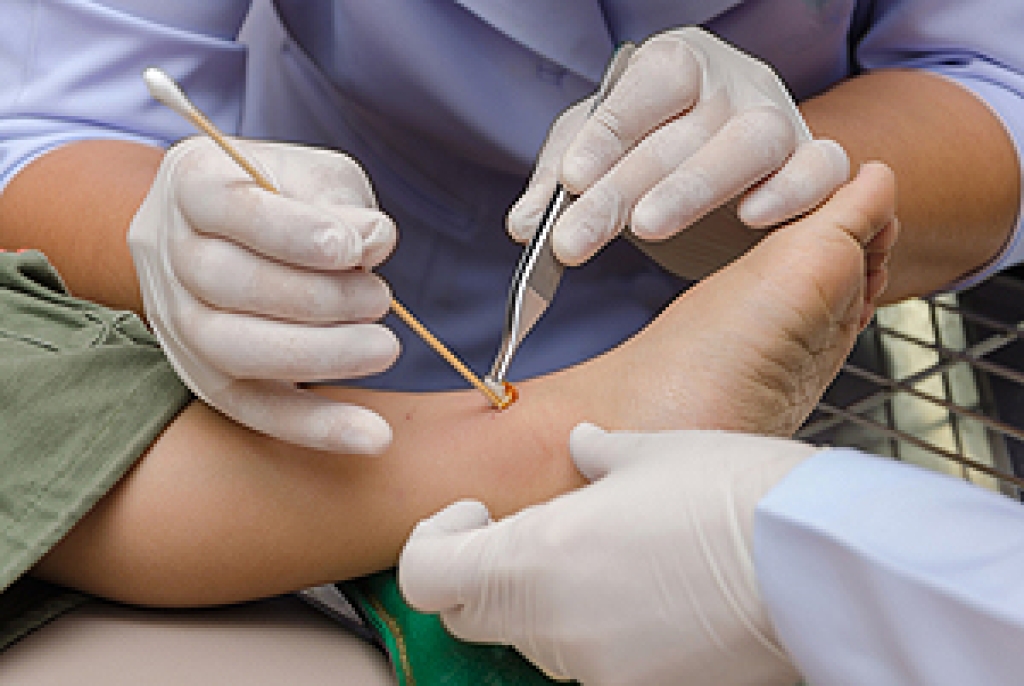
Diabetic foot ulcers (DFUs) are wounds that can occur on the feet of people with diabetes. Due to a combination of nerve damage, poor circulation, and immune insufficiency, many people with diabetes are at risk of developing DFUs. These wounds can become infected, leading to complications such as tissue death and amputation. When a patient presents with a non-infected DFU, their doctor may prescribe conservative treatments. Conservative treatments are non-invasive and are used to preserve foot health and function and prevent further complications. Conservative treatments for non-infected DFUs may include taking pressure off of the wound, keeping the area moist to promote healing, and protecting and covering the wound and surrounding skin. These treatments are often effective for non-infected wounds. If you have diabetes, a podiatrist can help you manage the effects of this condition on your feet.
Wound care is an important part in dealing with diabetes. If you have diabetes and a foot wound or would like more information about wound care for diabetics, consult with Dr. David Ungar from Personal Foot Care. Our doctor will assess your condition and provide you with quality foot and ankle treatment.
What Is Wound Care?
Wound care is the practice of taking proper care of a wound. This can range from the smallest to the largest of wounds. While everyone can benefit from proper wound care, it is much more important for diabetics. Diabetics often suffer from poor blood circulation which causes wounds to heal much slower than they would in a non-diabetic.
What Is the Importance of Wound Care?
While it may not seem apparent with small ulcers on the foot, for diabetics, any size ulcer can become infected. Diabetics often also suffer from neuropathy, or nerve loss. This means they might not even feel when they have an ulcer on their foot. If the wound becomes severely infected, amputation may be necessary. Therefore, it is of the upmost importance to properly care for any and all foot wounds.
How to Care for Wounds
The best way to care for foot wounds is to prevent them. For diabetics, this means daily inspections of the feet for any signs of abnormalities or ulcers. It is also recommended to see a podiatrist several times a year for a foot inspection. If you do have an ulcer, run the wound under water to clear dirt from the wound; then apply antibiotic ointment to the wound and cover with a bandage. Bandages should be changed daily and keeping pressure off the wound is smart. It is advised to see a podiatrist, who can keep an eye on it.
If you have any questions please contact our office located in Farmington, MI . We offer the newest diagnostic and treatment technologies for all your foot and ankle needs.

A variety of underlying issues can cause heel pain, including bone disorders, soft tissue problems, and systemic diseases. Plantar fasciitis is the most common cause of heel pain. This occurs when the plantar fascia, the long band of fibrous tissue on the sole of the feet, gets damaged, torn, or inflamed. Other soft tissue disorders which may lead to heel pain include Achilles tendonitis (an inflammation of the tendon which connects the calf muscles to the heel bone) and bursitis (an inflammation of the bursa sac that protects the Achilles tendon at the back of the heel). Bone issues that can cause heel pain include traumatic injuries or stress fractures of the heel bone, osteomyelitis (bone infection), osteoporosis (bone disease), and heel spurs—which are hardened calcium deposits that build up on the heel bone due to repeated stress. Certain systemic diseases can also present heel pain, such as rheumatoid arthritis (inflammatory joint disease) and peripheral neuropathy (nerve damage). If you have any type of heel pain, it is suggested that you make an appointment with a podiatrist who can diagnose the origin of your heel pain through a physical examination, diagnostic imaging and other evaluations, and treat your condition accordingly.
Many people suffer from bouts of heel pain. For more information, contact Dr. David Ungar of Personal Foot Care. Our doctor can provide the care you need to keep you pain-free and on your feet.
Causes of Heel Pain
Heel pain is often associated with plantar fasciitis. The plantar fascia is a band of tissues that extends along the bottom of the foot. A rip or tear in this ligament can cause inflammation of the tissue.
Achilles tendonitis is another cause of heel pain. Inflammation of the Achilles tendon will cause pain from fractures and muscle tearing. Lack of flexibility is also another symptom.
Heel spurs are another cause of pain. When the tissues of the plantar fascia undergo a great deal of stress, it can lead to ligament separation from the heel bone, causing heel spurs.
Why Might Heel Pain Occur?
Treatments
Heel pain should be treated as soon as possible for immediate results. Keeping your feet in a stress-free environment will help. If you suffer from Achilles tendonitis or plantar fasciitis, applying ice will reduce the swelling. Stretching before an exercise like running will help the muscles. Using all these tips will help make heel pain a condition of the past.
If you have any questions, please feel free to contact our office located in Farmington, MI . We offer the newest diagnostic and treatment technologies for all your foot care needs.
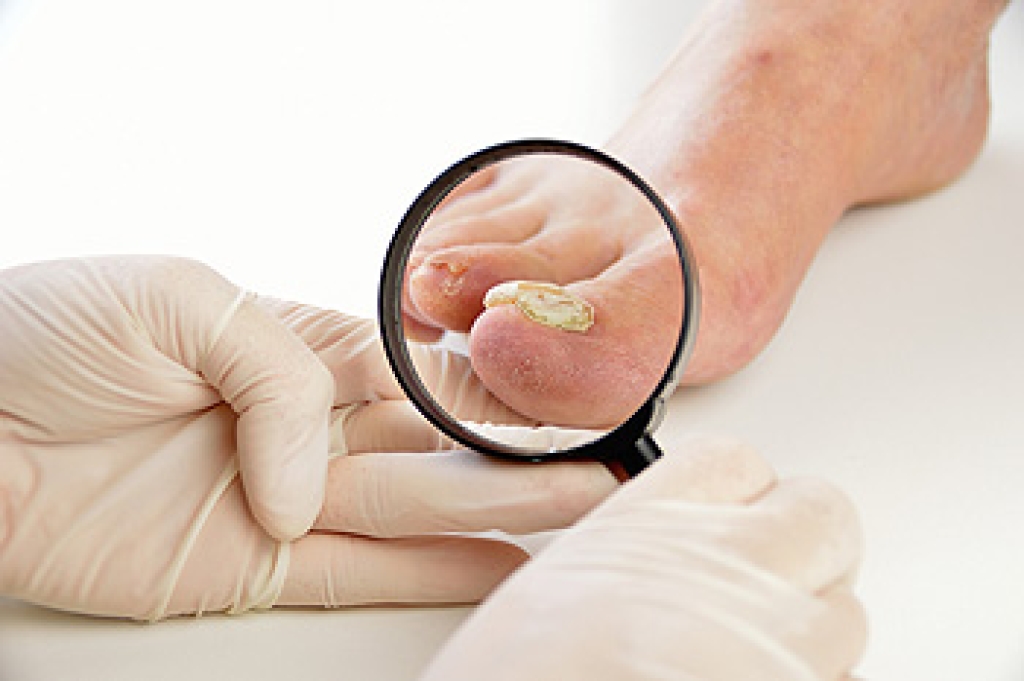
Toenail fungus is extremely common, affecting about 5.5% of adults around the world. This condition can cause the toenails to become brittle, crumbly, discolored, or misshapen. In severe cases, the nails may even begin to separate from the nail bed and emit a foul odor. Treating fungal toenails can be difficult, as it can take a long time before there are visible results. There are various treatment options available, including topical medications that are applied directly to the nail, oral medications that are taken by mouth, and laser treatment. Currently, many podiatrists prescribe a combination of oral and topical treatments. While these medications can be effective, oral medications may cause unwanted side effects, and topical medications are not as effective for severe infections. If you have toenail fungus, it is suggested that you are under the care of a podiatrist.
For more information about treatment, contact Dr. David Ungar of Personal Foot Care. Our doctor can provide the care you need to keep you pain-free and on your feet.
Toenail Fungus Treatment
Toenail fungus is a condition that affects many people and can be especially hard to get rid of. Fortunately, there are several methods to go about treating and avoiding it.
Antifungals & Deterrence
Oral antifungal medicine has been shown to be effective in many cases. It is important to consult with a podiatrist to determine the proper regiment for you, or potentially explore other options.
Applying foot powder on the feet and shoes helps keep the feet free of moisture and sweat.
Sandals or open toed shoes – Wearing these will allow air movement and help keep feet dry. They also expose your feet to light, which fungus cannot tolerate. Socks with moisture wicking material also help as well.
If you have any questions please contact our office located in Farmington, MI . We offer the newest diagnostic and treatment technologies for all your foot and ankle needs.
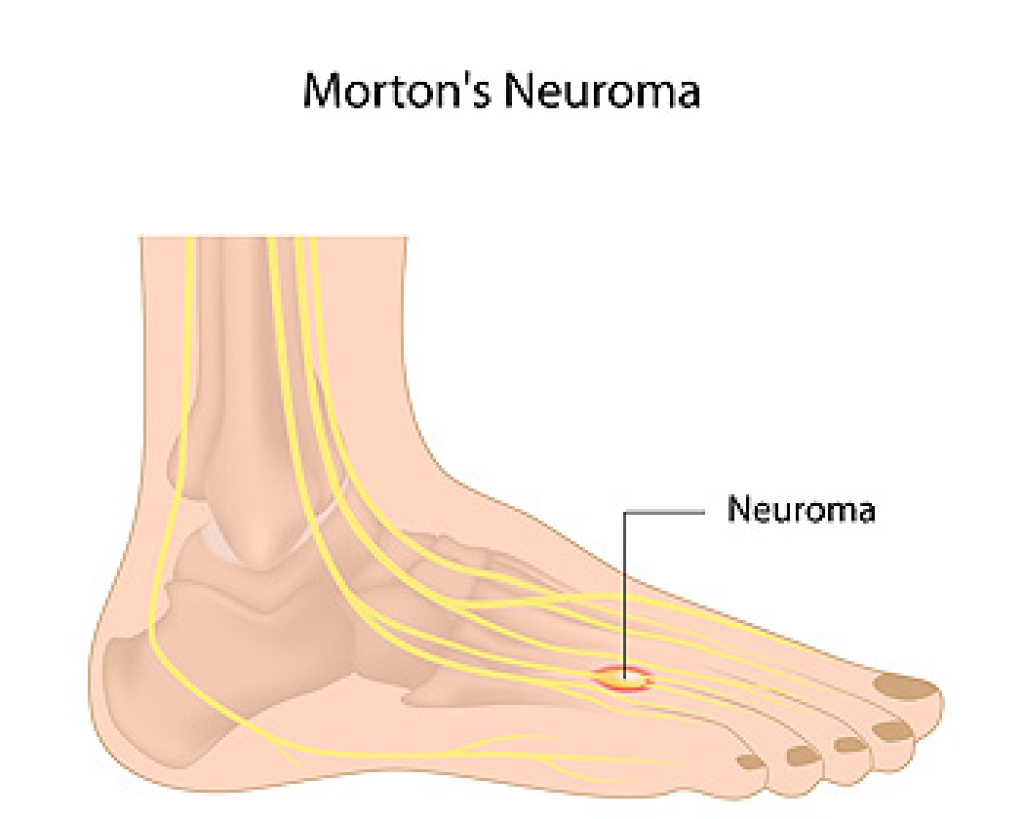
Morton’s neuroma occurs when the tissue surrounding a nerve in the toes thickens in response to the nerve becoming entrapped, or otherwise irritated. This usually occurs between the third and fourth toes, however, it can also occur between the second and third toes. Morton’s neuroma can cause a burning pain in the ball of the foot. People with this condition sometimes explain the pain they feel as walking on a pebble or having a bunched-up sock in the front of their shoe. The toes may also feel numb or tingling, and there may be difficulty walking. Wearing shoes that are too tight or that compress your toes may sometimes contribute to the formation of Morton’s neuroma. This can include ski boots and ballet slippers too. Other foot dysfunctions that squeeze or put pressure on the toes can be contributing factors, such as flat feet, bunions, hammertoes, and high arches. Certain repetitive sporting activities may also be responsible. If you ever experience any of the symptoms mentioned here, call a podiatrist. They will examine you and run diagnostics to rule out other possible conditions and create a treatment plan to relieve pain and treat the underlying thickened tissue and nerve compression.
Morton’s neuroma is a very uncomfortable condition to live with. If you think you have Morton’s neuroma, contact Dr. David Ungar of Personal Foot Care. Our doctor will attend to all of your foot care needs and answer any of your related questions.
Morton’s Neuroma
Morton's neuroma is a painful foot condition that commonly affects the areas between the second and third or third and fourth toe, although other areas of the foot are also susceptible. Morton’s neuroma is caused by an inflamed nerve in the foot that is being squeezed and aggravated by surrounding bones.
What Increases the Chances of Having Morton’s Neuroma?
Morton’s neuroma is a very treatable condition. Orthotics and shoe inserts can often be used to alleviate the pain on the forefront of the feet. In more severe cases, corticosteroids can also be prescribed. In order to figure out the best treatment for your neuroma, it’s recommended to seek the care of a podiatrist who can diagnose your condition and provide different treatment options.
If you have any questions, please feel free to contact our office located in Farmington, MI . We offer the newest diagnostic and treatment technologies for all your foot care needs.
Connect With Us

