What Causes Cuboid Syndrome?

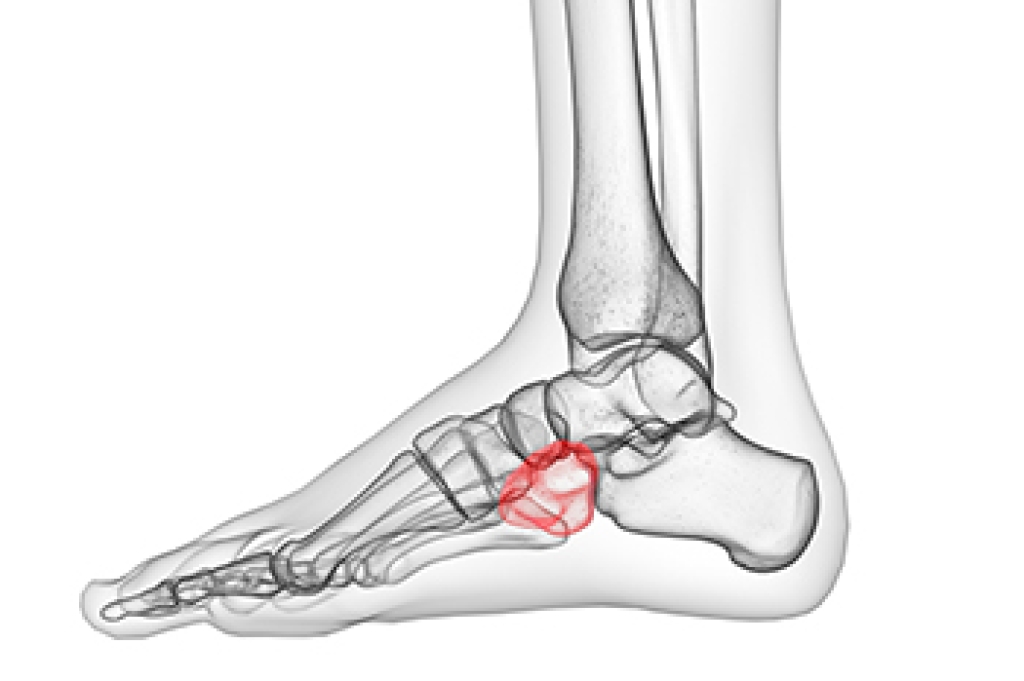
Cuboid syndrome is a condition in which the cuboid bone, located in the center of the foot, becomes dislocated. This produces symptoms such as foot pain, difficulty walking, swelling, sensitivity, and a reduced range of motion of the foot or ankle. The symptoms are like a sprain. Although the precise cause of cuboid syndrome is unknown, this condition is thought to arise from a forceful turn of the cuboid bone outwards as the heel bone turns inwards. This can be caused by an ankle sprain or other lower limb injury. Certain factors can increase the likelihood of cuboid syndrome. These include instability in the midfoot, being overweight or obese, wearing ill-fitting shoes or poorly constructed orthotics, and training excessively or on uneven surfaces. If you are experiencing the symptoms of cuboid syndrome, schedule an appointment with a podiatrist near you.

Cuboid syndrome, also known as cuboid subluxation, occurs when the joints and ligaments near the cuboid bone in the foot become torn. If you have cuboid syndrome, consult with Dr. David Ungar from Personal Foot Care. Our doctor will assess your condition and provide you with quality foot and ankle treatment.

Cuboid syndrome is a common cause of lateral foot pain, which is pain on the outside of the foot. The condition may happen suddenly due to an ankle sprain, or it may develop slowly overtime from repetitive tension through the bone and surrounding structures.

Causes

The most common causes of cuboid syndrome include:

  • Injury – The most common cause of this ailment is an ankle sprain.
  • Repetitive Strain – Tension placed through the peroneus longus muscle from repetitive activities such as jumping and running may cause excessive traction on the bone causing it to sublux.
  • Altered Foot Biomechanics – Most people suffering from cuboid subluxation have flat feet.

Symptoms

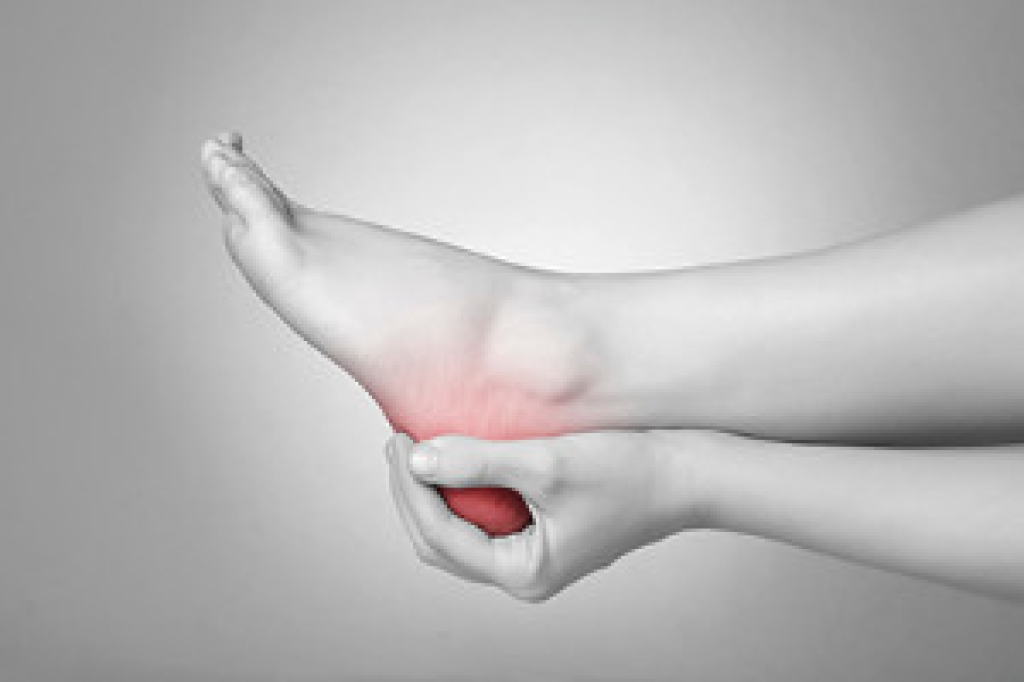
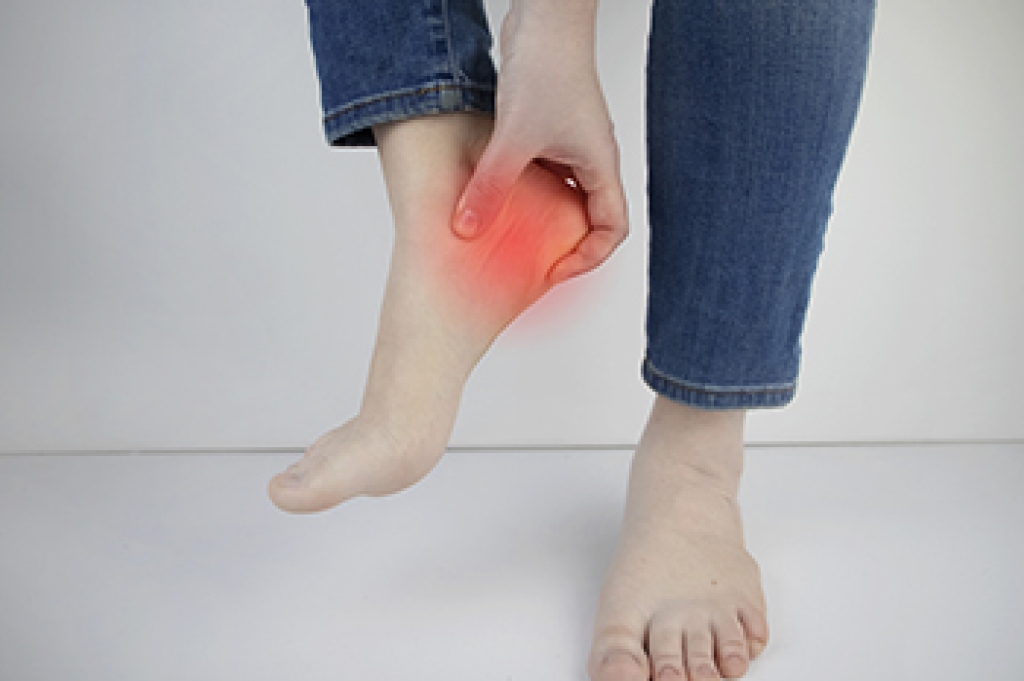
A common symptom of cuboid syndrome is pain along the outside of the foot which can be felt in the ankle and toes. This pain may create walking difficulties and may cause those with the condition to walk with a limp.

Diagnosis

Diagnosis of cuboid syndrome is often difficult, and it is often misdiagnosed. X-rays, MRIs and CT scans often fail to properly show the cuboid subluxation. Although there isn’t a specific test used to diagnose cuboid syndrome, your podiatrist will usually check if pain is felt while pressing firmly on the cuboid bone of your foot.

Treatment

Just as the range of causes varies widely, so do treatments. Some more common treatments are ice therapy, rest, exercise, taping, and orthotics.

If you have any questions, please feel free to contact our office located in Farmington, MI . We offer the newest diagnostic and treatment technologies for all your foot care needs.
Read more about Cuboid Syndrome

Risk Factors and Treatments for Plantar Fasciitis

Plantar fasciitis, which is one of the most common causes of heel pain, occurs when there is inflammation or degeneration of the plantar fascia, the band of tissue that runs along the bottom of the foot from the heel to the toes. While plantar fasciitis is an overuse injury, there are a variety of other factors that contribute to it, including wearing unsupportive footwear, being overweight, or having overpronated feet or tight calf muscles. Patients who are suffering from pain in the heel that develops over time, is worse in the morning, and causes tenderness in the arch of the foot, should consult with a podiatrist to confirm the source of the pain. If the heel pain is a result of plantar fasciitis, your podiatrist will have a variety of treatment methods to help you that may include cold therapy, taping the arch of the foot, orthotics, splints or medications. 

Plantar fasciitis is a common foot condition that is often caused by a strain injury. If you are experiencing heel pain or symptoms of plantar fasciitis, contact Dr. David Ungar from Personal Foot Care. Our doctor can provide the care you need to keep you pain-free and on your feet.

What Is Plantar Fasciitis?

Plantar fasciitis is one of the most common causes of heel pain. The plantar fascia is a ligament that connects your heel to the front of your foot. When this ligament becomes inflamed, plantar fasciitis is the result. If you have plantar fasciitis you will have a stabbing pain that usually occurs with your first steps in the morning. As the day progresses and you walk around more, this pain will start to disappear, but it will return after long periods of standing or sitting.

What Causes Plantar Fasciitis?

  • Excessive running
  • Having high arches in your feet
  • Other foot issues such as flat feet
  • Pregnancy (due to the sudden weight gain)
  • Being on your feet very often

There are some risk factors that may make you more likely to develop plantar fasciitis compared to others. The condition most commonly affects adults between the ages of 40 and 60. It also tends to affect people who are obese because the extra pounds result in extra stress being placed on the plantar fascia.

Prevention

  • Take good care of your feet – Wear shoes that have good arch support and heel cushioning.
  • Maintain a healthy weight
  • If you are a runner, alternate running with other sports that won’t cause heel pain

There are a variety of treatment options available for plantar fasciitis along with the pain that accompanies it. Additionally, physical therapy is a very important component in the treatment process. It is important that you meet with your podiatrist to determine which treatment option is best for you.

If you have any questions, please feel free to contact our office located in Farmington, MI . We offer the newest diagnostic and treatment technologies for all your foot care needs.


Read more about Plantar Fasciitis

How to Limit the Spread of Athlete’s Foot

A common fungal infection that affects many people worldwide is athlete’s foot. It can cause the skin between the toes and on the bottom of the foot to become red, inflamed, and uncomfortable. Additional symptoms can include cracked and flakey skin, and in severe cases, blisters may develop. It is considered to be contagious, and lives in areas that may include public swimming pools, locker rooms, and surrounding areas. An effective prevention technique can consist of wearing appropriate shoes while in these types of environments. Research has indicated it is beneficial to refrain from sharing towels, socks, and shoes in order to help to limit the spread of athlete’s foot. It is helpful to wash clothes that have been worn, bath mats, and sheets, as this is instrumental in preventing the spread of athlete’s foot. If you believe you are afflicted with this condition, it is strongly suggested that you are under the care of a podiatrist who can help you properly manage your athlete’s foot.

Athlete’s Foot

Athlete’s foot is often an uncomfortable condition to experience. Thankfully, podiatrists specialize in treating athlete’s foot and offer the best treatment options. If you have any questions about athlete’s foot, consult with Dr. David Ungar from Personal Foot Care. Our doctor will assess your condition and provide you with quality treatment.

What Is Athlete’s Foot?

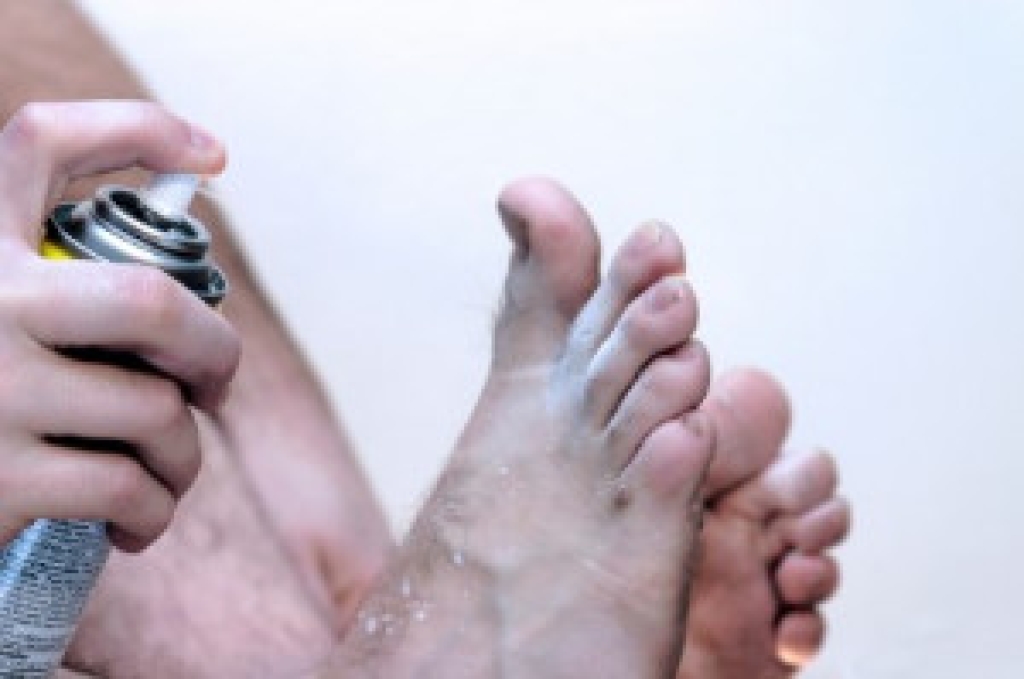
Tinea pedis, more commonly known as athlete’s foot, is a non-serious and common fungal infection of the foot. Athlete’s foot is contagious and can be contracted by touching someone who has it or infected surfaces. The most common places contaminated by it are public showers, locker rooms, and swimming pools. Once contracted, it grows on feet that are left inside moist, dark, and warm shoes and socks.

Prevention

The most effective ways to prevent athlete’s foot include:

  • Thoroughly washing and drying feet
  • Avoid going barefoot in locker rooms and public showers
  • Using shower shoes in public showers
  • Wearing socks that allow the feet to breathe
  • Changing socks and shoes frequently if you sweat a lot

Symptoms

Athlete’s foot initially occurs as a rash between the toes. However, if left undiagnosed, it can spread to the sides and bottom of the feet, toenails, and if touched by hand, the hands themselves. Symptoms include:

  • Redness
  • Burning
  • Itching
  • Scaly and peeling skin

Diagnosis and Treatment

Diagnosis is quick and easy. Skin samples will be taken and either viewed under a microscope or sent to a lab for testing. Sometimes, a podiatrist can diagnose it based on simply looking at it. Once confirmed, treatment options include oral and topical antifungal medications.

If you have any questions, please feel free to contact our office located in Farmington, MI . We offer the newest diagnostic and treatment technologies for all your foot care needs.

Read more about Athlete's Foot

Why Live with Pain and Numbness in Your Feet?

Suffering from this type of pain? You may have the foot condition known as Morton's neuroma. Morton's neuroma may develop as a result of ill-fitting footwear and existing foot deformities. We can help.

Heel Pain Can Affect More Than the Heel

One common cause of heel pain is a foot condition known as plantar fasciitis. Research has indicated it comprises approximately eighty percent of all cases of heel pain. Plantar fasciitis can produce severe pain and discomfort, and can even cause difficulty in walking. This ailment may develop as a result of standing for extended periods of time during the day and from wearing shoes that do not fit correctly. Additionally, it can be caused by a sudden injury or from an abnormal foot structure. The heel can be affected by an Achilles tendon injury, which can gradually occur due to overuse. This can affect the ability to point and flex the foot, and can make it difficult to complete daily activities. There are several causes of  heel pain and it is strongly suggested that you schedule an appointment with a podiatrist who can effectively diagnose and treat any heel pain.

Many people suffer from bouts of heel pain. For more information, contact Dr. David Ungar of Personal Foot Care. Our doctor can provide the care you need to keep you pain-free and on your feet.

Causes of Heel Pain

Heel pain is often associated with plantar fasciitis. The plantar fascia is a band of tissues that extends along the bottom of the foot. A rip or tear in this ligament can cause inflammation of the tissue.

Achilles tendonitis is another cause of heel pain. Inflammation of the Achilles tendon will cause pain from fractures and muscle tearing. Lack of flexibility is also another symptom.

Heel spurs are another cause of pain. When the tissues of the plantar fascia undergo a great deal of stress, it can lead to ligament separation from the heel bone, causing heel spurs.

Why Might Heel Pain Occur?

  • Wearing ill-fitting shoes                
  • Wearing non-supportive shoes
  • Weight change           
  • Excessive running

Treatments

Heel pain should be treated as soon as possible for immediate results. Keeping your feet in a stress-free environment will help. If you suffer from Achilles tendonitis or plantar fasciitis, applying ice will reduce the swelling. Stretching before an exercise like running will help the muscles. Using all these tips will help make heel pain a condition of the past.

If you have any questions, please feel free to contact our office located in Farmington, MI . We offer the newest diagnostic and treatment technologies for all your foot care needs.

Read more about Heel Pain

Connect With Us

DAVID UNGAR