
Your feet are covered most of the day. If you're diabetic, periodic screening is important for good health. Numbness is often a sign of diabetic foot and can mask a sore or wound.
Your feet are covered most of the day. If you're diabetic, periodic screening is important for good health. Numbness is often a sign of diabetic foot and can mask a sore or wound.
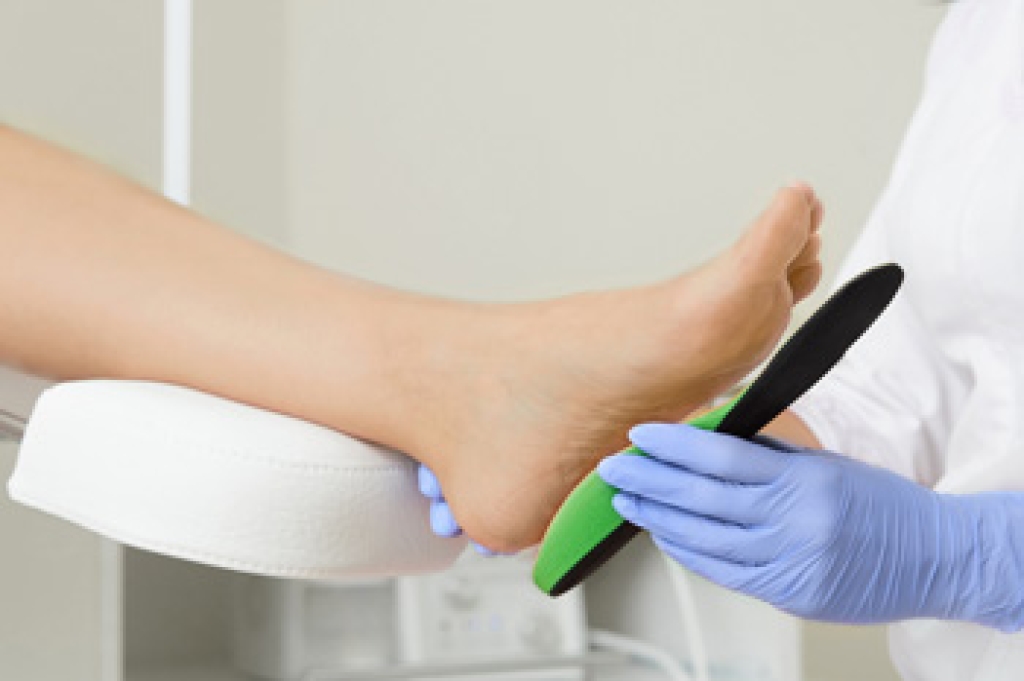
Orthotics that a podiatrist prescribes are custom-made appliances fit to your foot that slip into your shoes to help provide optimal body alignment and movement based on your individual foot structure and needs. They can be used to help correct structural problems or gait issues—either from birth, illness, or trauma—that may cause pain or reduce mobility. They can also be used in a preventative manner to help prevent the chance of injuries, reduce pressure on joints, and improve stability and stamina when walking or running. Custom, or prescription, orthotics can help a podiatrist treat patients with over-pronation (when the feet and ankles collapse inwardly), Achilles tendonitis, plantar fasciitis, bursitis, diabetic foot ulcers, fallen arches, and more. Make an appointment with a podiatrist to see if custom orthotics may help you.
If you are having discomfort in your feet and would like to try orthotics, contact Dr. David Ungar from Personal Foot Care. Our doctor can provide the care you need to keep you pain-free and on your feet.
What Are Orthotics?
Orthotics are inserts you can place into your shoes to help with a variety of foot problems such as flat feet or foot pain. Orthotics provide relief and comfort for minor foot and heel pain but can’t correct serious biomechanical problems in your feet.
Over-the-Counter Inserts
Orthotics come in a wide variety of over-the-counter inserts that are used to treat foot pain, heel pain, and minor problems. For example, arch supports can be inserted into your shoes to help correct overarched or flat feet, while gel insoles are often used because they provide comfort and relief from foot and heel pain by alleviating pressure.
Prescription Orthotics
If over-the-counter inserts don’t work for you or if you have a more severe foot concern, it is possible to have your podiatrist prescribe custom orthotics. These high-quality inserts are designed to treat problems such as abnormal motion, plantar fasciitis, and severe forms of heel pain. They can even be used to help patients suffering from diabetes by treating foot ulcers and painful calluses and are usually molded to your feet individually, which allows them to provide full support and comfort.
If you are experiencing minor to severe foot or heel pain, it’s recommended to speak with your podiatrist about the possibilities of using orthotics. A podiatrist can determine which type of orthotic is right for you and allow you to take the first steps towards being pain-free.
If you have any questions, please feel free to contact our office located in Farmington, MI . We offer the newest diagnostic and treatment technologies for all your foot care needs.
 When walking or standing for long periods of time, certain areas of the skin on the feet thicken to help withstand pressure. These areas of thickness are either corns or calluses that work as a protective measure when the skin rubs on the bone, shoe or the ground. Calluses are larger, more irregularly shaped areas of hardened skin on the foot that usually indicate an issue such as a bone deformity, poor walking style, or poor footwear. Corns are much smaller and have a central core. There are five main types of corns that can develop on the feet. Hard corns are concentrated to the size of a pea, and soft corns develop similarly and usually appear when the skin is moist from sweat or in between the toes. A seed corn is very tiny and can occur by itself or as a cluster. Vascular corns contain nerve fibers and blood vessels and are very painful. Fibrous corns attach to deeper tissues and tend to last a long time on the foot. If you have a corn or callus that is irritating your foot, consulting with a podiatrist is suggested.
If you have any concerns regarding your feet and ankles, contact Dr. David Ungar of Personal Foot Care. Our doctor will treat your foot and ankle needs.
Corns: What Are They? and How Do You Get Rid of Them?
Corns can be described as areas of the skin that have thickened to the point of becoming painful or irritating. They are often layers and layers of the skin that have become dry and rough, and are normally smaller than calluses.
Ways to Prevent Corns
There are many ways to get rid of painful corns such as wearing:
Treating Corns
Treatment of corns involves removing the dead skin that has built up in the specific area of the foot. Consult with Our doctor to determine the best treatment option for your case of corns.
If you have any questions, please feel free to contact our office located in Farmington, MI . We offer the newest diagnostic and treatment technologies for all your foot care needs.
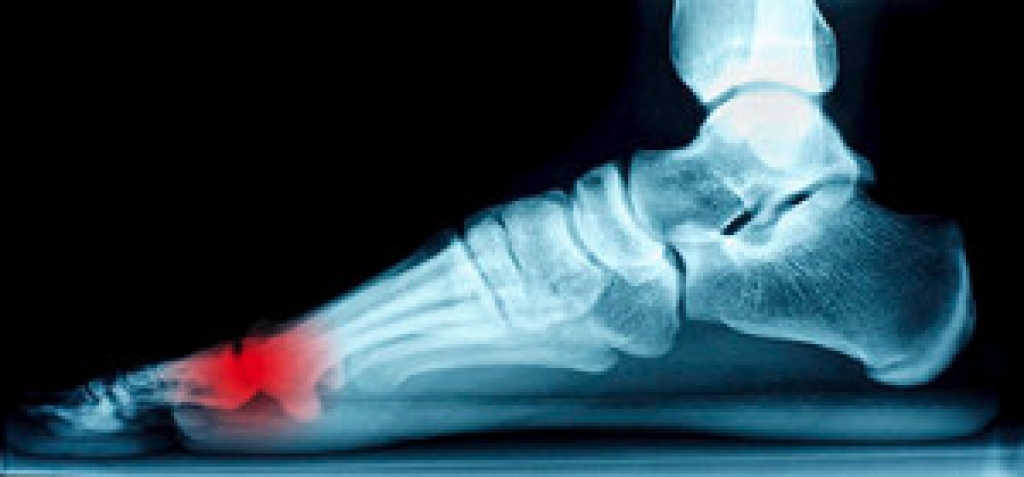
Sesamoid bones are unique in that they are not connected to other bones (which is normally the case with bones). Sesamoids are either embedded in muscles or connected to tendons. The kneecap (patella bone) is the largest sesamoid bone in the body. There are two little sesamoids in the foot which help the big toe move, enable the foot to push off, and serve as shock absorbers for the ball of the foot. When these sesamoids become fractured, irritated or inflamed due to repetitive pressure, overuse, or other contributing factors, it is known as sesamoiditis. Sesamoiditis can be quite painful, making it very difficult to walk. If sesamoiditis is not treated properly and promptly, other areas of the foot may become inflamed or even injured. If you are experiencing pain under the big toe and are having difficulty bending and straightening it, consult a podiatrist to see if you have sesamoiditis and receive proper care if you do.
Sesamoiditis is an unpleasant foot condition characterized by pain in the balls of the feet. If you think you’re struggling with sesamoiditis, contact Dr. David Ungar of Personal Foot Care. Our doctor will treat your condition thoroughly and effectively.
Sesamoiditis
Sesamoiditis is a condition of the foot that affects the ball of the foot. It is more common in younger people than it is in older people. It can also occur with people who have begun a new exercise program, since their bodies are adjusting to the new physical regimen. Pain may also be caused by the inflammation of tendons surrounding the bones. It is important to seek treatment in its early stages because if you ignore the pain, this condition can lead to more serious problems such as severe irritation and bone fractures.
Causes of Sesamoiditis
Treatment for sesamoiditis is non-invasive and simple. Doctors may recommend a strict rest period where the patient forgoes most physical activity. This will help give the patient time to heal their feet through limited activity. For serious cases, it is best to speak with your doctor to determine a treatment option that will help your specific needs.
If you have any questions, please feel free to contact our office located in Farmington, MI . We offer the newest diagnostic and treatment technologies for all your foot care needs.

Ankle sprains are a common injury among those who participate in sports that require a lot of running, jumping, or turning. An ankle sprain can occur when one or more ligaments in the ankle overstretch or tear. Depending on the severity of the injury, symptoms may include pain, soreness, swelling, bruising, and difficulty bearing weight on the affected leg. Following an ankle sprain, it is very important to rest the ankle so that it can recover fully. Springing back into action without achieving full recovery can lead to reinjury and chronic ankle pain. If you have sprained your ankle, you can return to playing your sport following approval from your podiatrist. This will usually occur after swelling has gone down, you have normal strength, a full range of motion, and can comfortably bear weight on the affected leg. If you are an athlete and have sprained your ankle, it is suggested that you are under the care of a podiatrist.
Ankle sprains are common but need immediate attention. If you need your feet checked, contact Dr. David Ungar from Personal Foot Care. Our doctor can provide the care you need to keep you pain-free and on your feet.
How Does an Ankle Sprain Occur?
Ankle sprains take place when the ligaments in your ankle are torn or stretched beyond their limits. There are multiple ways that the ankle can become injured, including twisting or rolling over onto your ankle, putting undue stress on it, or causing trauma to the ankle itself.
What Are the Symptoms?
Preventing a Sprain
Treatment of a Sprain
Treatment of a sprain depends on the severity. Many times, people are told to rest and remain off their feet completely, while others are given an air cast. If the sprain is very severe, surgery may be required.
If you have suffered an ankle sprain previously, you may want to consider additional support such as a brace and regular exercises to strengthen the ankle.
If you have any questions please feel free to contact our office located in Farmington, MI . We offer the newest diagnostic tools and technology to treat your foot and ankle needs.
Connect With Us

