
Why Might Someone Need Foot Surgery?

Foot surgery may be necessary for a variety of conditions when nonsurgical methods do not yield results or when the condition is severe. Depending on what is causing it and its severity, chronic foot pain may require surgery. A foot injury, such as a fracture or ruptured Achilles tendon may require surgery as well. Foot deformities, including bunions, hammertoes, and bone spurs may need to be surgically corrected if they cause significant symptoms and conservative treatment methods are ineffective. Other conditions that could warrant surgery include arthritis and neuromas. If you are experiencing foot pain, it is recommended that you consult with a podiatrist who can help find the right treatment for you.

Foot surgery is sometimes necessary to treat a foot ailment. To learn more, contact Dr. David Ungar of Personal Foot Care. Our doctor will assist you with all of your foot and ankle needs.

When Is Surgery Necessary?

Foot and ankle surgery is generally reserved for cases in which less invasive, conservative procedures have failed to alleviate the problem. Some of the cases in which surgery may be necessary include:

  • Removing foot deformities like bunions and bone spurs
  • Severe arthritis that has caused bone issues
  • Cosmetic reconstruction

What Types of Surgery Are There?

The type of surgery you receive will depend on the nature of the problem you have. Some of the possible surgeries include:

  • Bunionectomy for painful bunions
  • Surgical fusion for realignment of bones
  • Neuropathy decompression surgery to treat nerve damage

Benefits of Surgery

Although surgery is usually a last resort, it can provide more complete pain relief compared to non-surgical methods and may allow you to finally resume full activity.

Surgical techniques have also become increasingly sophisticated. Techniques like endoscopic surgery allow for smaller incisions and faster recovery times.

If you have any questions, please feel free to contact our office located in Farmington, MI . We offer the newest diagnostic and treatment technologies for all your foot care needs.

Read more about Foot Surgery

Swollen Feet, Causes, and Remedies During Pregnancy

A common symptom of pregnancy is swollen feet. This can happen for a variety of reasons, including an increase in blood circulation, the weight of the unborn baby, or from sitting for extended periods of time. Additionally, eating foods that contain large amounts of sodium may contribute to swollen feet and ankles. It is beneficial to perform gentle stretches daily, and mild relief may be found when exercise is performed on a regular basis. Drinking approximately eight glasses of water during the day may also help to alleviate swollen feet. If you would like more information about your foot concerns during pregnancy, it is suggested that you confer with a podiatrist.

Pregnant women with swollen feet can be treated with a variety of different methods that are readily available. For more information about other cures for swollen feet during pregnancy, consult with Dr. David Ungar from Personal Foot Care. Our doctor will attend to all of your foot and ankle needs.

What Foot Problems Can Arise During Pregnancy?

One problem that can occur is overpronation, which occurs when the arch of the foot flattens and tends to roll inward.  This can cause pain and discomfort in your heels while you’re walking or even just standing up, trying to support your baby.  

Another problem is edema, or swelling in the extremities. This often affects the feet during pregnancy but tends to occur in the later stages. 

How Can I Keep My Feet Healthy During Pregnancy?

  • Wearing orthotics can provide extra support for the feet and help distribute weight evenly
  • Minimize the amount of time spent walking barefoot
  • Wear shoes with good arch support
  • Wear shoes that allow for good circulation to the feet
  • Elevate feet if you experience swelling
  • Massage your feet
  • Get regular, light exercise, such as walking, to promote blood circulation to the feet

If you have any questions, please feel free to contact our office located in Farmington, MI . We offer the newest diagnostic and treatment technologies for all your foot care needs.
Read more about Foot Care for Pregnant Women

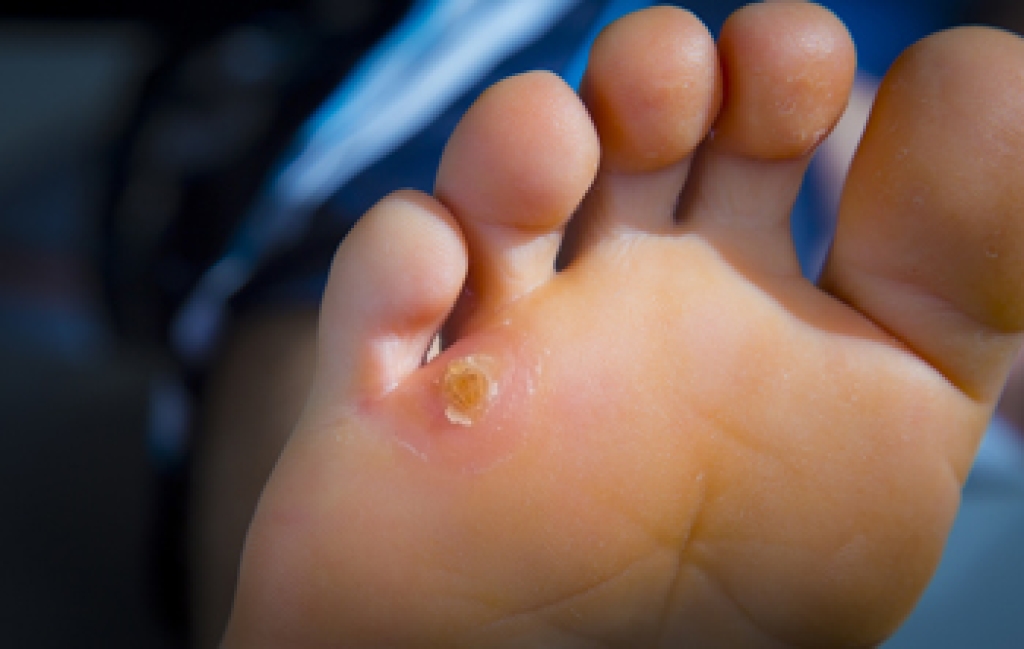
What Are Corns?

Corns are areas of thick skin that are caused by repeated pressure or friction, typically on the toes. The base of the corn can be seen on the surface of the skin, but the top of the corn points inwards, causing pain and discomfort. Corns can be either hard or soft. Hard corns have a dense core, which can put pressure on the nerves in the foot and cause severe pain. Soft corns tend to occur between the toes, and are often pliable and white in color due to continuous exposure to sweat. If you have corns that are causing you discomfort or pain, please consult with a podiatrist for treatment options.

If you have any concerns regarding your feet and ankles, contact Dr. David Ungar of Personal Foot Care. Our doctor will treat your foot and ankle needs.

Corns: What Are They? and How Do You Get Rid of Them?
Corns can be described as areas of the skin that have thickened to the point of becoming painful or irritating. They are often layers and layers of the skin that have become dry and rough, and are normally smaller than calluses.

Ways to Prevent Corns
There are many ways to get rid of painful corns such as wearing:

  • Well-fitting socks
  • Comfortable shoes that are not tight around your foot
  • Shoes that offer support

Treating Corns
Treatment of corns involves removing the dead skin that has built up in the specific area of the foot. Consult with Our doctor to determine the best treatment option for your case of corns.

If you have any questions, please feel free to contact our office located in Farmington, MI . We offer the newest diagnostic and treatment technologies for all your foot care needs.

Read more about Everything You Need to Know About Corns

Toe Curls to Strengthen the Feet

Doing toe curls is a great exercise to strengthen the feet. This exercise can stretch and flex the foot to improve your balance, support your arches, and increase your overall foot strength. Toe curls can also help reduce or prevent the pain from foot injuries, such as plantar fasciitis. To do this exercise, sit in a chair, lay a towel on the floor in front of you, and place your foot flat on top of the towel. Keeping your heel still and planted on the towel, lift up your toes and use them to scrunch the towel towards you. Repeat this movement five times on each foot. For more information about this and other exercises for your feet, consult with a podiatrist today. 

Exercising your feet regularly with the proper foot wear is a great way to prevent injuries and build strength. If you have any concerns about your feet, contact Dr. David Ungar from Personal Foot Care. Our doctor can provide the care you need to keep you pain-free and on your feet.

Exercise for Your Feet

Exercise for your feet can help you gain strength, mobility and flexibility in your feet. They say that strengthening your feet can be just as rewarding as strengthening another part of the body. Your feet are very important, and we often forget about them in our daily tasks. But it is because of our feet that are we able to get going and do what we need to. For those of us fortunate enough to not have any foot problems, it is an important gesture to take care of them to ensure good health in the long run.

Some foot health exercises can include ankle pumps, tip-toeing, toe rises, lifting off the floor doing reps and sets, and flexing the toes. It is best to speak with Our doctor to determine an appropriate regimen for your needs. Everyone’s needs and bodies are different, and the activities required to maintain strength in the feet vary from individual to individual. 

Once you get into a routine of doing regular exercise, you may notice a difference in your feet and how strong they may become.

If you have any questions, please feel free to contact our office located in Farmington, MI . We offer the newest diagnostic and treatment technologies for all your foot care needs.

Read more about Exercise for Your Feet

Gout Pain Can Be Managed

Gout is a painful, inflammatory form of arthritis. Those affected will typically feel an intense stiffness in the joints of their feet, particularly in the big toe. Schedule a visit to learn about how gout can be managed and treated.

How Quickly Do Children’s Feet Grow?

Children’s feet grow much faster than an adult’s. Because of this, children often outgrow their shoes. On average, children between the ages of 1 and 3 will need new shoes two to three times per year. Children between the ages of 3 and 10 will typically need new shoes one to two times per year. However, every child’s rate of growth is unique. It is important to keep an eye on the fit of your child’s shoes, as wearing shoes that are too small or too large can cause various foot problems to develop. For more information on how to choose the right shoes for your child and how to help children maintain the health of their feet, it is suggested that you consult with a podiatrist. 

Making sure that your children maintain good foot health is very important as they grow. If you have any questions, contact Dr. David Ungar of Personal Foot Care. Our doctor can provide the care you need to keep you pain-free and on your feet.

Keeping Children's Feet Healthy

Having healthy feet during childhood can help prevent medical problems later in life, namely in the back and legs. As children grow, their feet require different types of care. Here are some things to consider...

Although babies do not walk yet, it is still very important to take care of their feet.

Avoid putting tight shoes or socks on his or her feet.

Allow the baby to stretch and kick his or her feet to feel comfortable.

As a toddler, kids are now on the move and begin to develop differently. At this age, toddlers are getting a feel for walking, so don’t be alarmed if your toddler is unsteady or ‘walks funny’. 

As your child gets older, it is important to teach them how to take care of their feet.

Show them proper hygiene to prevent infections such as fungus.

Be watchful for any pain or injury.

Have all injuries checked by a doctor as soon as possible.

Comfortable, protective shoes should always be worn, especially at play.

If you have any questions, please feel free to contact our office located in Farmington, MI . We offer the newest diagnostic and treatment technologies for all your foot care needs.

Read more about How to Care for Your Child's Feet

High Heels Can Be Highly Damaging

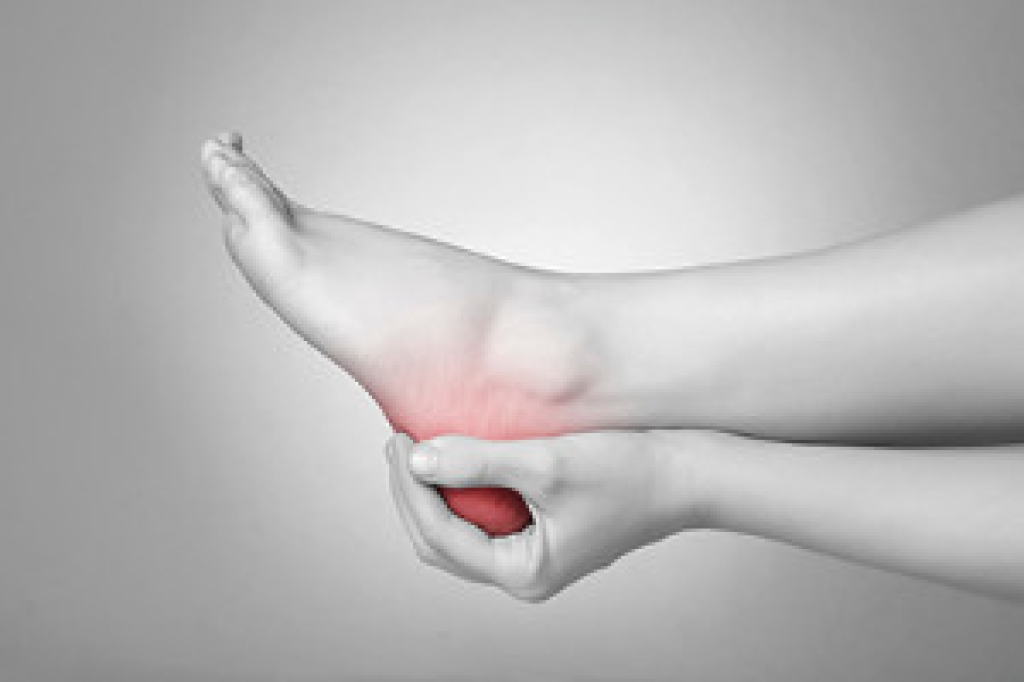
High heels may look stylish, but they can cause a lot of damage to the feet. This is because high heels tend to crowd the toes, often into a too-tight space, shift the body’s weight to the ball of the foot, and disrupt the body’s alignment. Conditions that can be caused by wearing high heels include corns, calluses, and blisters, as well as bunions, hammertoes, and other deformities, neuromas, ankle sprains, and even pain in other parts of the body, like the hips and lower back. Although cutting high heels completely out of your wardrobe may not be an option, there are measures that you can take to minimize the potential damage. These include avoiding shoes with pointed toes and heels higher than two inches, wearing high heels in moderation, and seeking treatment from a podiatrist when foot pain and any other foot problems may arise. 

High heels have a history of causing foot and ankle problems. If you have any concerns about your feet or ankles, contact Dr. David Ungar from Personal Foot Care. Our doctor can provide the care you need to keep you pain-free and on your feet.

Effects of High Heels on the Feet

High heels are popular shoes among women because of their many styles and societal appeal.  Despite this, high heels can still cause many health problems if worn too frequently.

Which Parts of My Body Will Be Affected by High Heels?

  • Ankle Joints
  • Achilles Tendon – May shorten and stiffen with prolonged wear
  • Balls of the Feet
  • Knees – Heels cause the knees to bend constantly, creating stress on them
  • Back – They decrease the spine’s ability to absorb shock, which may lead to back pain.  The vertebrae of the lower back may compress.

What Kinds of Foot Problems Can Develop from Wearing High Heels?

  • Corns
  • Calluses
  • Hammertoe
  • Bunions
  • Morton’s Neuroma
  • Plantar Fasciitis

How Can I Still Wear High Heels and Maintain Foot Health?

If you want to wear high heeled shoes, make sure that you are not wearing them every day, as this will help prevent long term physical problems.  Try wearing thicker heels as opposed to stilettos to distribute weight more evenly across the feet.  Always make sure you are wearing the proper shoes for the right occasion, such as sneakers for exercising.  If you walk to work, try carrying your heels with you and changing into them once you arrive at work.  Adding inserts to your heels can help cushion your feet and absorb shock. Full foot inserts or metatarsal pads are available. 

If you have any questions, please feel free to contact our office located in Farmington, MI . We offer the newest diagnostic and treatment technologies for all your foot care needs.
Read more about Why High Heels Are Not Ideal for Healthy Feet

Why Does My Foot Hurt?

Foot pain, on its own, is a fairly nonspecific symptom. There are many conditions that may lead to foot pain. Plantar fasciitis, in which the ligament that runs along the bottom of the foot becomes inflamed, is a frequent cause of foot pain. Morton’s neuroma, a condition in which a nerve in the foot starts to thicken and place pressure on the toes, is also a fairly common problem. Other foot problems that can cause pain include metatarsalgia, tendinitis, turf toe, hallux valgus, heel pad atrophy, arthritis, and heel spurs. To figure out what is causing your foot pain, and how to treat it, it is suggested that you seek the care of a podiatrist. 

Foot Pain

Foot pain can be extremely painful and debilitating. If you have a foot pain, consult with Dr. David Ungar from Personal Foot Care. Our doctor will assess your condition and provide you with quality foot and ankle treatment.

Causes

Foot pain is a very broad condition that could be caused by one or more ailments. The most common include:

  • Bunions
  • Hammertoes
  • Plantar Fasciitis
  • Bone Spurs
  • Corns
  • Tarsal Tunnel Syndrome
  • Ingrown Toenails
  • Arthritis (such as Gout, Rheumatoid, and Osteoarthritis)
  • Flat Feet
  • Injury (from stress fractures, broken toe, foot, ankle, Achilles tendon ruptures, and sprains)
  • And more

Diagnosis

To figure out the cause of foot pain, podiatrists utilize several different methods. This can range from simple visual inspections and sensation tests to X-rays and MRI scans. Prior medical history, family medical history, and any recent physical traumatic events will all be taken into consideration for a proper diagnosis.

Treatment

Treatment depends upon the cause of the foot pain. Whether it is resting, staying off the foot, or having surgery; podiatrists have a number of treatment options available for foot pain.

If you have any questions, please feel free to contact our office located in Farmington, MI . We offer the newest diagnostic and treatment technologies for all your foot care needs.
Read more about Foot Pain

Ways to Diagnose an Ankle Sprain

An ankle sprain is an injury to the ligaments that connect the bones of the leg to the foot. These ligaments are important, as they help keep the ankle bones in position as well as the ankle joint stable. This type of injury generally happens when you accidentally twist or turn your ankle in an awkward way. A podiatrist can diagnose an ankle sprain by performing a thorough physical examination of the affected foot and ankle. This includes touching the skin around the injury to check for areas of tenderness, and moving the foot to check the range of motion Sometimes, imaging scans may be performed to confirm the diagnosis and to rule out other possibilities, such as a broken bone. Examples of imaging scans that a podiatrist may use include X-rays, MRIs, CT scans, or ultrasounds. For more information about ankle sprains, please consult with a podiatrist. 


Although ankle sprains are common, they aren’t always minor injuries. If you need your ankle injury looked at, contact Dr. David Ungar from Personal Foot Care. Our doctor can provide the care you need to keep you pain-free and on your feet.

How Does an Ankle Sprain Occur?

Ankle sprains are the result of a tear in the ligaments within the ankle. These injuries may happen when you make a rapid shifting movement while your foot is planted. A less common way to sprain your ankle is when your ankle rolls inward while your foot turns outward.

What Are the Symptoms?

  • Pain at the sight of the tear
  • Bruising/Swelling
  • Ankle area is tender to touch
  • In severe cases, may hear/feel something tear
  • Skin discoloration

Preventing a Sprain

  • Wearing appropriate shoes for the occasion
  • Stretching before exercises and sports
  • Knowing your limits

Treatment of a Sprain

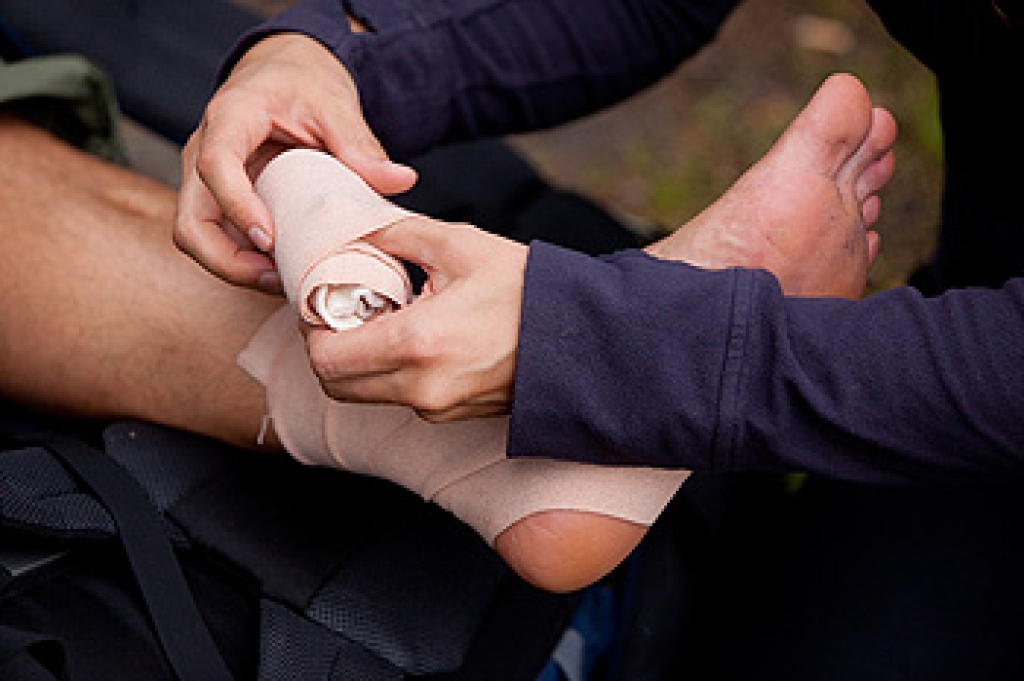
In many cases, the RICE method (Rest, Ice, Compression, and Elevate) is used to treat ankle sprains. However, you should see a podiatrist to see which treatment option would work best with your injury. In severe cases, surgery may be required.

It is important to ask your doctor about rehab options after you receive treatment for your injury. Stretching, strength training, and balance exercises may help the ankle heal while also preventing further injury.

If you have any questions, please feel free to contact our office located in Farmington, MI . We offer the newest diagnostic and treatment technologies for all your foot care needs.
Read more about Ankle Sprains

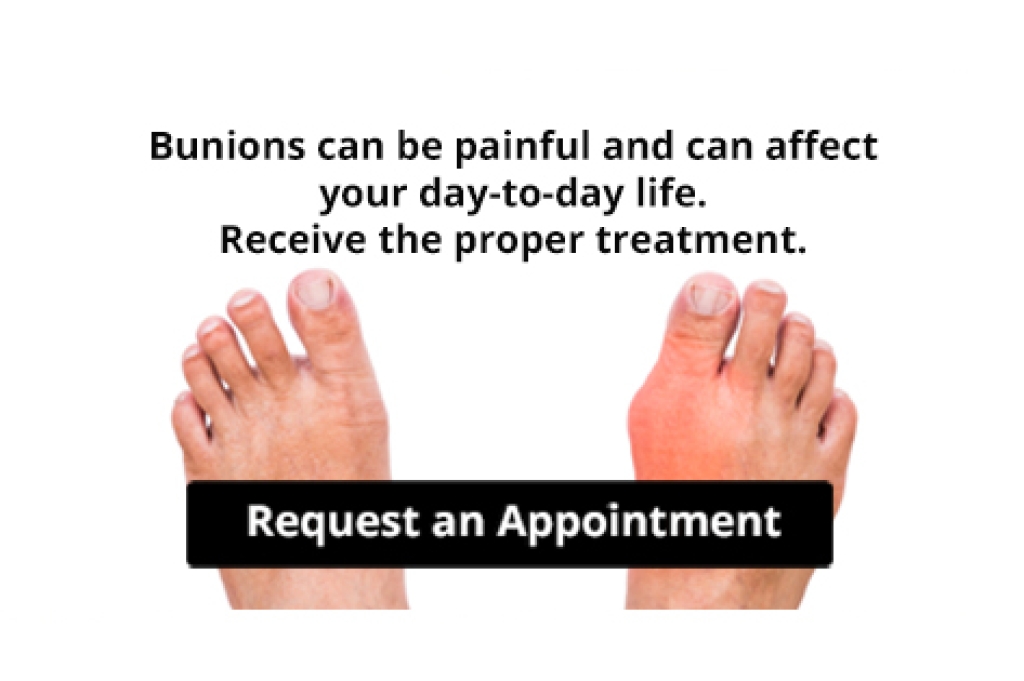
Are Bunions Affecting Your Everyday Life?

Have you noticed a bony protrusion on the side of your big toe? If so, you may have developed the foot condition known as a bunion. Don't let bunions interfere with your daily activities.

Connect With Us

DAVID UNGAR