
If left untreated, an ingrown toenail can lead to more serious concerns, such as an infection. Knowing proper nail care can help in the prevention of an ingrown toenail. Give us a call, and get treated!
If left untreated, an ingrown toenail can lead to more serious concerns, such as an infection. Knowing proper nail care can help in the prevention of an ingrown toenail. Give us a call, and get treated!
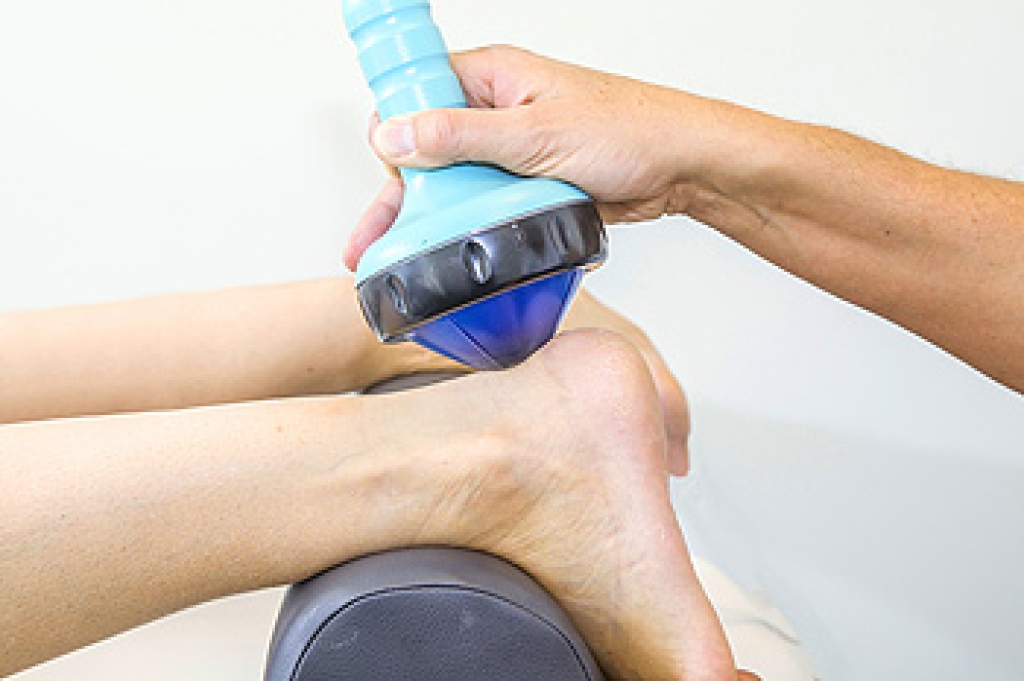 The medical procedure that is known as shockwave therapy may be helpful in monitoring chronic foot pain. Shockwave therapy is a type of non-invasive therapy which may accelerate the healing process. It is administered by a machine that delivers high-energy sound waves. This procedure generally causes little or no pain, in addition to minimal time missed from work and other activities. The conditions that are commonly treated with shockwave therapy can include plantar fasciitis, ankle discomfort, and general foot pain. If you are suffering with chronic foot pain, it is strongly suggested that you are under the care of a podiatrist who can discuss the benefits of shockwave therapy with you.
Shockwave therapy is a treatment commonly used to treat various injuries and conditions, particularly plantar fasciitis in the feet. To learn more, consult with Dr. David Ungar from Personal Foot Care. Our doctor can provide the care you need to keep you pain-free and on your feet.
Shockwave Therapy
Shockwave therapy is a new treatment option designed to treat bone conditions such as tennis elbow, shoulder pain, and others. Shockwave therapy uses high intensity sound waves that are directed to the affected tissues of the body with pinpoint accuracy. The effects are very beneficial, leading to a production of collagen fibers, eliminating inflammation.
Who Benefits from Shockwave?
Shockwave is recommended for patients suffering from heel pain and associated problems. Heel pain is a common condition which can be caused by obesity, overexertion, and spending a substantial amount of time on hard floors with your feet exposed and unsupported.
Fast and Easy
The therapy is actually a simple process that can leave patients feeling better the very next day. Shockwave therapy is not as dramatic as it sounds. It enables more blood flow to effected areas, addressing the source of the problem and allowing treatment to last for a long time.
Treatment & Recovery Time
Shockwave treatment will enable your feet to recover quickly. This is especially important since surgery is not required. It is cost effective and does not require the use of anesthesia. This treatment is a better option to surgery, since it is proven safe.
If you have any questions, please feel free to contact our office located in Farmington, MI . We offer the newest diagnostic and treatment technologies for all your foot care needs.
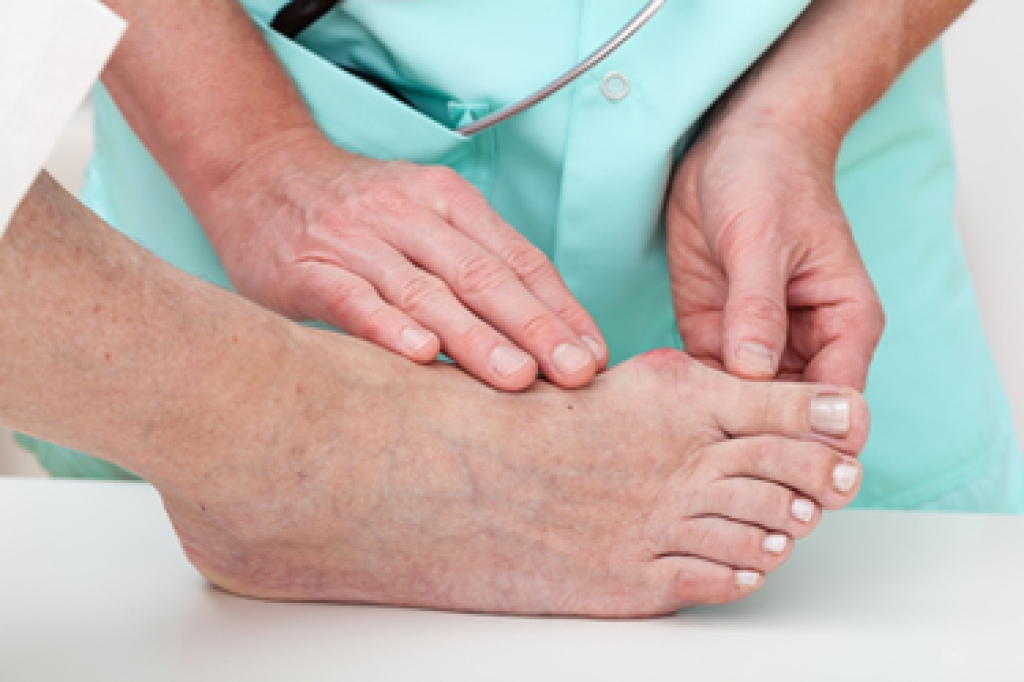 You may have heard of bunions, the large bony bump that forms at the base of the joint of the big toe. But have you ever heard of bunionettes? Like their larger cousins, bunionettes are deformities that cause bony protrusions to form at the base of the toe joint, but rather than being found on the big toes, bunionettes are found on the pinky toes. Bunionettes tend to cause pain and discomfort. Much like bunions, bunionettes can be treated by wearing wider, more comfortable shoes. Other treatments include putting a comfort pad on the outside of the bunionette, wearing a toe spacer between the fourth and fifth toes, and in more severe cases, limiting the amount of time that you spend standing and walking. A small number of patients may also benefit from surgery. If you have bunionettes that are causing you pain, it is recommended that you visit a podiatrist for treatment.
If you are suffering from bunions, contact Dr. David Ungar of Personal Foot Care. Our doctor can provide the care you need to keep you pain-free and on your feet.
What Is a Bunion?
A bunion is formed of swollen tissue or an enlargement of boney growth, usually located at the base joint of the toe that connects to the foot. The swelling occurs due to the bones in the big toe shifting inward, which impacts the other toes of the foot. This causes the area around the base of the big toe to become inflamed and painful.
Why Do Bunions Form?
Genetics – Susceptibility to bunions are often hereditary
Stress on the feet – Poorly fitted and uncomfortable footwear that places stress on feet, such as heels, can worsen existing bunions
How Are Bunions Diagnosed?
Podiatrists often perform two tests – blood tests and x-rays – when trying to diagnose bunions, especially in the early stages of development. Blood tests help determine if the foot pain is being caused by something else, such as arthritis, while x-rays provide a clear picture of your bone structure to your provider.
How Are Bunions Treated?
If you have any questions, please feel free to contact our office located in Farmington, MI . We offer the newest diagnostic and treatment technologies for all your foot care needs.
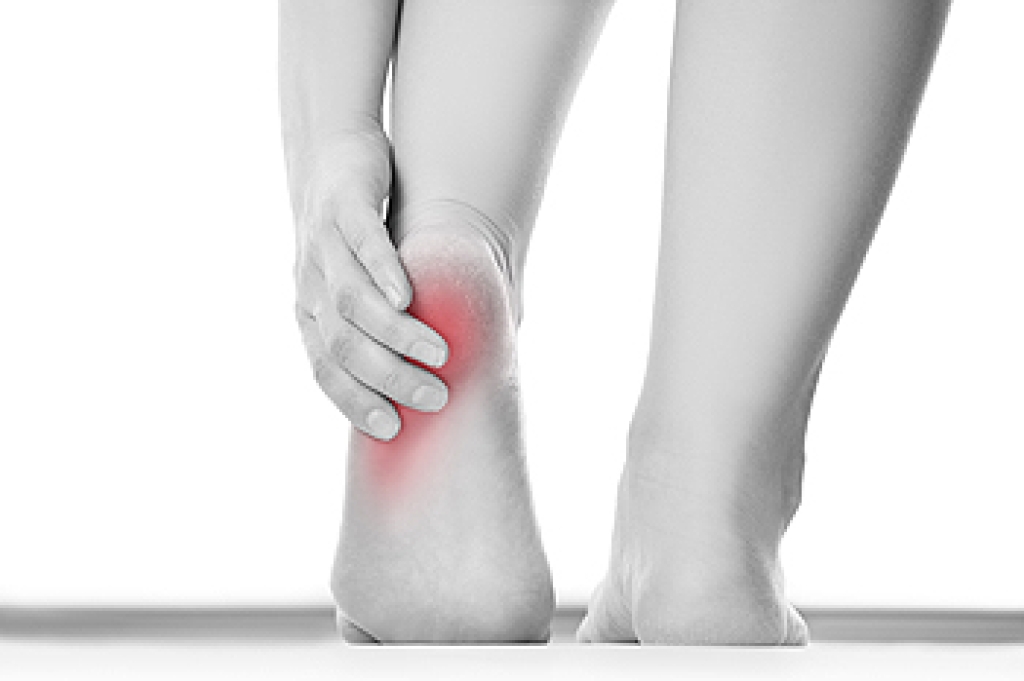 One common source of heel pain is plantar fasciitis, which occurs when the plantar fascia, the tissue connecting the heel to the bottom of the foot, is inflamed. Common symptoms of plantar fasciitis include sharp heel pain, pain after resting, heel tenderness, pain while flexing, and tingling or burning in the bottom of the foot. Upon experiencing symptoms, it is important to visit a podiatrist. During the exam, a podiatrist will examine any swelling, tenderness and pain points. After the examination, your podiatrist will suggest a variety of treatment options that can include rest, orthotics, stretching, icing, and massages. Medicine may also be prescribed. If you think that you are suffering from plantar fasciitis, it is suggested that you visit a podiatrist.
Plantar fasciitis is a common foot condition that is often caused by a strain injury. If you are experiencing heel pain or symptoms of plantar fasciitis, contact Dr. David Ungar from Personal Foot Care. Our doctor can provide the care you need to keep you pain-free and on your feet.
What Is Plantar Fasciitis?
Plantar fasciitis is one of the most common causes of heel pain. The plantar fascia is a ligament that connects your heel to the front of your foot. When this ligament becomes inflamed, plantar fasciitis is the result. If you have plantar fasciitis you will have a stabbing pain that usually occurs with your first steps in the morning. As the day progresses and you walk around more, this pain will start to disappear, but it will return after long periods of standing or sitting.
What Causes Plantar Fasciitis?
There are some risk factors that may make you more likely to develop plantar fasciitis compared to others. The condition most commonly affects adults between the ages of 40 and 60. It also tends to affect people who are obese because the extra pounds result in extra stress being placed on the plantar fascia.
Prevention
There are a variety of treatment options available for plantar fasciitis along with the pain that accompanies it. Additionally, physical therapy is a very important component in the treatment process. It is important that you meet with your podiatrist to determine which treatment option is best for you.
If you have any questions, please feel free to contact our office located in Farmington, MI . We offer the newest diagnostic and treatment technologies for all your foot care needs.

The type of shoes that are worn is important to consider while working out. An exercise routine may be hindered if shoes do not fit correctly, and potential foot problems may develop. There are different types of shoes that can be purchased for various sporting activities. Runners will benefit by knowing the amount of shock absorption that is needed, in addition to observing how the feet make contact with the ground. This can be identified by looking at old shoes, and noticing wear and tear patterns. For people that enjoy hiking, boots may be a better option than running shoes. It is beneficial if they are made of waterproof materials, and have adequate cushioning. If you have any questions about what type of shoes to purchase for preferred sporting activities, please consult with a podiatrist who can help you to make the right choices.
It is important to find shoes that fit you properly in order to avoid a variety of different foot problems. For more information about treatment, contact Dr. David Ungar from Personal Foot Care. Our doctor will treat your foot and ankle needs.
Proper Shoe Fitting
Shoes have many different functions. They cushion our body weight, protect our feet, and allow us to safely play sports. You should always make sure that the shoes you wear fit you properly in order to avoid injuries and deformities such as: bunions, corns, calluses, hammertoes, plantar fasciitis, stress fractures, and more. It is important to note that although a certain pair of shoes might be a great fit for someone else, that doesn’t mean they will be a great fit for you. This is why you should always try on shoes before buying them to make sure they are worth the investment. Typically, shoes need to be replaced ever six months to one year of regular use.
Tips for Proper Shoe Fitting
The shoes you buy should always feel as good as they look. Shoes that fit properly will last longer, feel better, and improve your way of life each day.
If you have any questions please contact our office located in Farmington, MI . We offer the newest diagnostic and treatment technologies for all your foot and ankle needs.

Suffering from this type of pain? You may have the foot condition known as Morton's neuroma. Morton's neuroma may develop as a result of ill-fitting footwear and existing foot deformities. We can help.
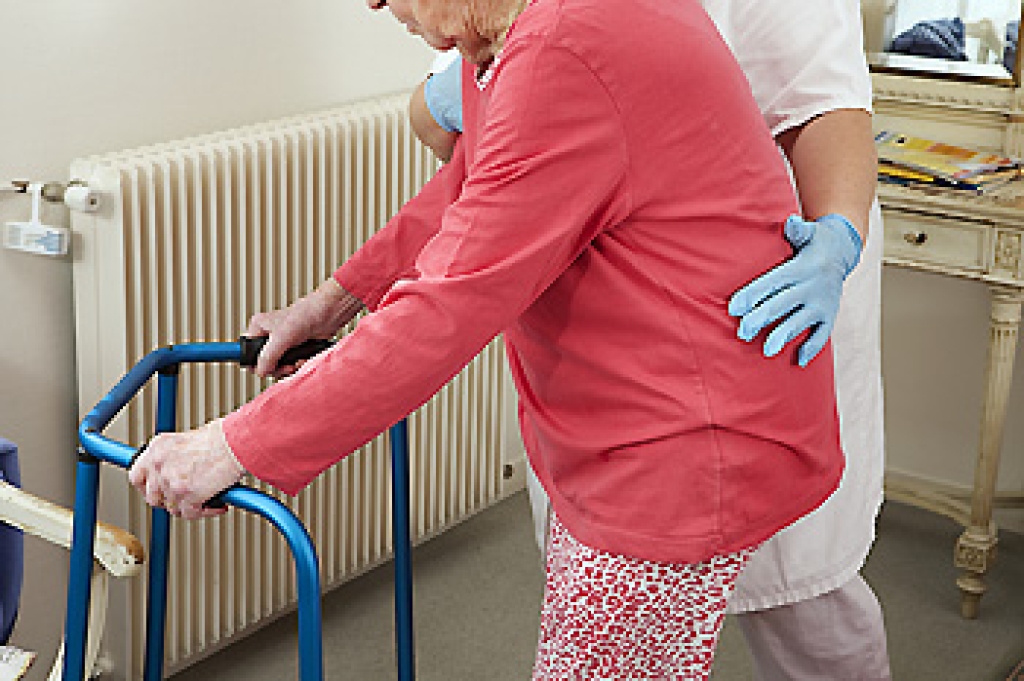 Falls are the number one cause of injury and hospital visits due to trauma for people ages 65 and older. Various factors can increase one’s risk of falling including past falls, tripping, and falling hazards in the home and community, chronic diseases, taking multiple medications, having poor vision, balance problems, memory problems, depression, and behaviors like rushing. Problems with the feet and ankles, such as difficulty walking, weakness, or loss of sensation in the lower limbs, and wearing improper footwear can all increase the risk of falling as well. If you have foot or ankle issues, it is important to seek medical care from a podiatrist, who can diagnose and treat your condition and reduce your risk of falling.
Preventing falls among the elderly is very important. If you are older and have fallen or fear that you are prone to falling, consult with Dr. David Ungar from Personal Foot Care. Our doctor will assess your condition and provide you with quality advice and care.
Every 11 seconds, an elderly American is being treated in an emergency room for a fall related injury. Falls are the leading cause of head and hip injuries for those 65 and older. Due to decreases in strength, balance, senses, and lack of awareness, elderly persons are very susceptible to falling. Thankfully, there are a number of things older persons can do to prevent falls.
How to Prevent Falls
Some effective methods that older persons can do to prevent falls include:
Falling can be a traumatic and embarrassing experience for elderly persons; this can make them less willing to leave the house, and less willing to talk to someone about their fears of falling. Doing such things, however, will increase the likelihood of tripping or losing one’s balance. Knowing the causes of falling and how to prevent them is the best way to mitigate the risk of serious injury.
If you have any questions, please feel free to contact our office located in Farmington, MI . We offer the newest diagnostic and treatment technologies for all your foot care needs.
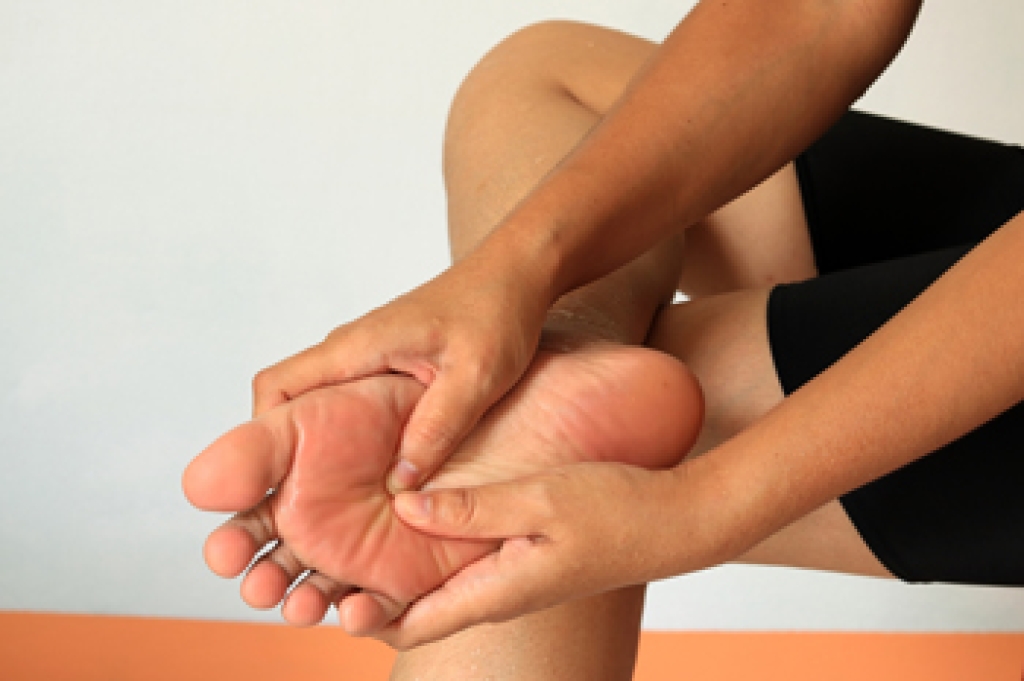 Did you know that approximately half of all people with diabetes have some type of nerve damage? One of the most common types is peripheral neuropathy. Peripheral neuropathy typically starts in the nerves of the feet, and can affect both feet at once. The typical symptoms of peripheral neuropathy are tingling or a “pins and needles” sensation in the feet, foot pain or increased sensitivity, numbness and weakness in the feet, changes in the shape of the foot muscles and bones, and the appearance of open sores on the feet. Often, the symptoms are worse at night than they are during the day. If you are experiencing the symptoms of peripheral neuropathy, don’t ignore them. Schedule a visit with a podiatrist, who can help you maintain the health of your feet.
Neuropathy
Neuropathy can be a potentially serious condition, especially if it is left undiagnosed. If you have any concerns that you may be experiencing nerve loss in your feet, consult with Dr. David Ungar from Personal Foot Care. Our doctor will assess your condition and provide you with quality foot and ankle treatment for neuropathy.
What Is Neuropathy?
Neuropathy is a condition that leads to damage to the nerves in the body. Peripheral neuropathy, or neuropathy that affects your peripheral nervous system, usually occurs in the feet. Neuropathy can be triggered by a number of different causes. Such causes include diabetes, infections, cancers, disorders, and toxic substances.
Symptoms of Neuropathy Include:
Those with diabetes are at serious risk due to being unable to feel an ulcer on their feet. Diabetics usually also suffer from poor blood circulation. This can lead to the wound not healing, infections occurring, and the limb may have to be amputated.
Treatment
To treat neuropathy in the foot, podiatrists will first diagnose the cause of the neuropathy. Figuring out the underlying cause of the neuropathy will allow the podiatrist to prescribe the best treatment, whether it be caused by diabetes, toxic substance exposure, infection, etc. If the nerve has not died, then it’s possible that sensation may be able to return to the foot.
Pain medication may be issued for pain. Electrical nerve stimulation can be used to stimulate nerves. If the neuropathy is caused from pressure on the nerves, then surgery may be necessary.
If you have any questions, please feel free to contact our office located in Farmington, MI . We offer the newest diagnostic and treatment technologies for all your foot care needs.
 A common reason for stress fractures of the feet to occur is from repetitive overuse. Many runners can experience this type of injury, and the bones in the center of the foot can be at risk. These types of fractures gradually occur as small breaks in the bone. The common symptoms that many patients can experience often include pain and discomfort in the front of the foot, tenderness surrounding the affected area, and it may appear to be bruised. Having an MRI taken is generally an effective method of diagnosing a stress fracture, and the average healing time is approximately six to eight weeks. It may be beneficial to perform certain types of stretches to promote healing, and many patients find it helpful to wear a walking boot. If you have pain in your foot, and think it may be a stress fracture, it is suggested that you speak to a podiatrist who can determine what the best course of treatment is for you.
Stress fractures occur when there is a tiny crack within a bone. To learn more, contact Dr. David Ungar from Personal Foot Care. Our doctor can provide the care you need to keep you pain free and on your feet.
How Are They Caused?
Stress fractures are the result of repetitive force being placed on the bone. Since the lower leg and feet often carry most of the body’s weight, stress fractures are likely to occur in these areas. If you rush into a new exercise, you are more likely to develop a stress fracture since you are starting too much, too soon. Pain resulting from stress fractures may go unnoticed at first, however it may start to worsen over time.
Risk Factors
Stress fractures do not always heal properly, so it is important that you seek help from a podiatrist if you suspect you may have one. Ignoring your stress fracture may cause it to worsen, and you may develop chronic pain as well as additional fractures.
If you have any questions please contact our office located in Farmington, MI . We offer the newest diagnostic and treatment technologies for all your foot and ankle needs.
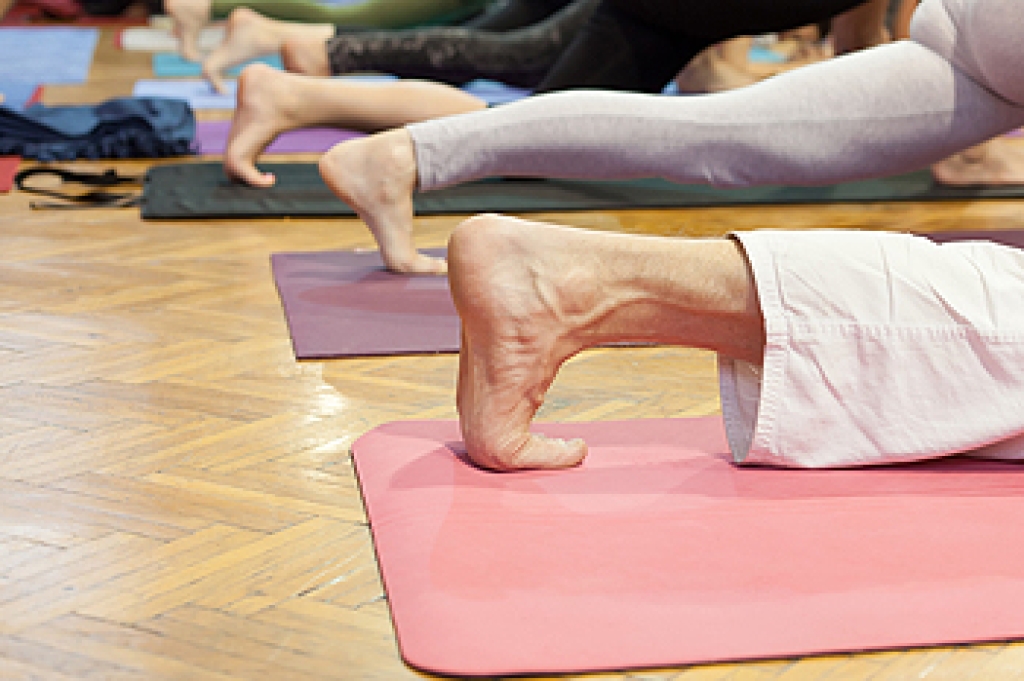 Exercising the feet may seem trivial, but in reality, it is very important. The feet are the foundation upon which the entire body stands, and they support your weight all day, allowing you to be mobile and complete your daily activities. Practicing foot exercises can keep your feet strong and flexible, which can reduce foot and ankle pain, decrease muscle soreness, prevent injuries, and keep you healthy and active. You may want to choose a foot exercise regime that focuses on increasing your range of motion, improving your flexibility, and strengthening the muscles of the feet. If you have existing foot pain, an injury, arthritis, diabetes, or any other foot condition, it is suggested that you speak with a podiatrist prior to starting an exercise program.
Exercising your feet regularly with the proper foot wear is a great way to prevent injuries and build strength. If you have any concerns about your feet, contact Dr. David Ungar from Personal Foot Care. Our doctor can provide the care you need to keep you pain-free and on your feet.
Exercise for Your Feet
Exercise for your feet can help you gain strength, mobility and flexibility in your feet. They say that strengthening your feet can be just as rewarding as strengthening another part of the body. Your feet are very important, and we often forget about them in our daily tasks. But it is because of our feet that are we able to get going and do what we need to. For those of us fortunate enough to not have any foot problems, it is an important gesture to take care of them to ensure good health in the long run.
Some foot health exercises can include ankle pumps, tip-toeing, toe rises, lifting off the floor doing reps and sets, and flexing the toes. It is best to speak with Our doctor to determine an appropriate regimen for your needs. Everyone’s needs and bodies are different, and the activities required to maintain strength in the feet vary from individual to individual.
Once you get into a routine of doing regular exercise, you may notice a difference in your feet and how strong they may become.
If you have any questions, please feel free to contact our office located in Farmington, MI . We offer the newest diagnostic and treatment technologies for all your foot care needs.
Connect With Us

