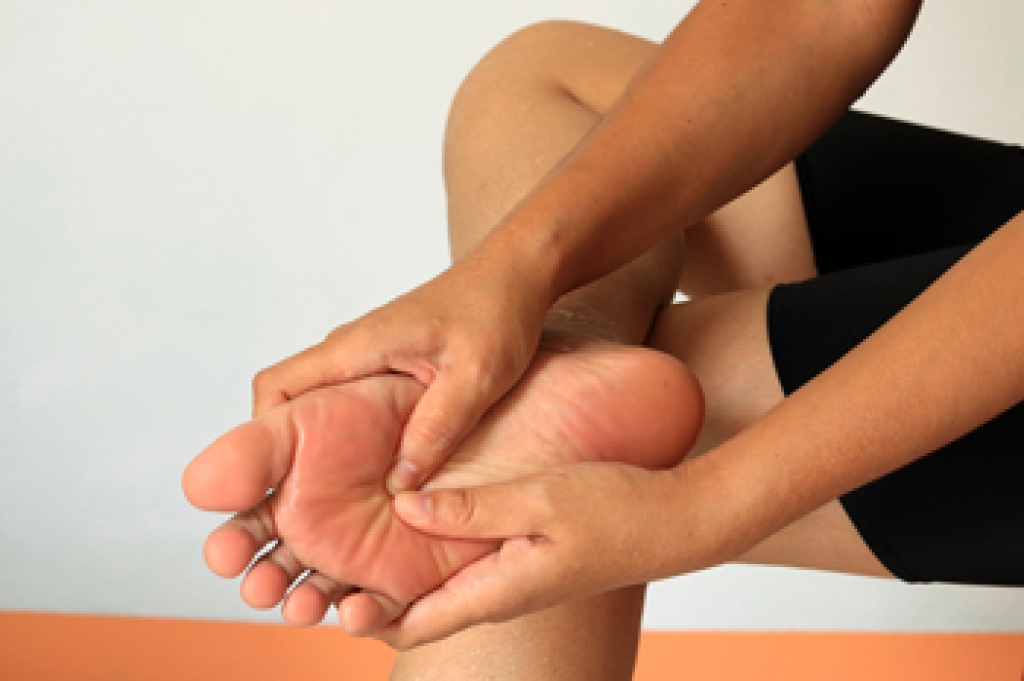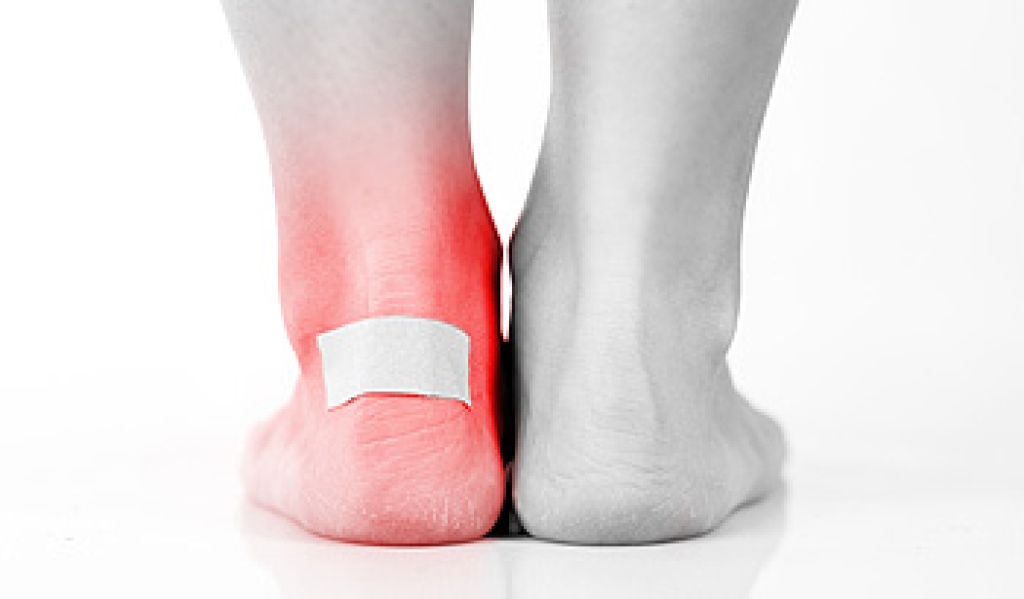
Blisters on the Feet Can Protect Damaged Skin

People who often get blisters on the feet are aware of the discomfort they may cause. Blisters are a small area that can resemble a bubble that forms over the damaged skin. This is filled with fluid that protects the raw skin, and will gradually drain when the healing process is completed. There are several reasons why blisters on the feet can develop, including wearing shoes that do not fit properly, excessive sweating that may come from wearing shoes that are made of non-breathable materials, or from not wearing socks. Research has indicated that it may be beneficial to moisturize the feet prior to wearing shoes. This may help prevent existing blisters from becoming worse. If you get frequent blisters on the feet, it is suggested that you consult with a podiatrist who can guide you toward effective prevention and treatment techniques.

Blisters are prone to making everyday activities extremely uncomfortable. If your feet are hurting, contact Dr. David Ungar of Personal Foot Care. Our doctor can provide the care you need to keep you pain-free and on your feet.

Foot Blisters

Foot blisters develop as a result of constantly wearing tight or ill-fitting footwear. This happens due to the constant rubbing from the shoe, which can often lead to pain.

What Are Foot Blisters?

A foot blister is a small fluid-filled pocket that forms on the upper-most layer of the skin. Blisters are filled with clear fluid and can lead to blood drainage or pus if the area becomes infected.

How Do Blisters Form?

Blisters on the feet are often the result of constant friction of skin and material, usually by shoe rubbing. Walking in sandals, boots, or shoes that don’t fit properly for long periods of time can result in a blister. Having consistent foot moisture and humidity can easily lead to blister formation.

Prevention & Treatment

It is important to properly care for the affected area in order to prevent infection and ease the pain. Do not lance the blister and use a Band-Aid to provide pain relief. Also, be sure to keep your feet dry and wear proper fitting shoes. If you see blood or pus in a blister, seek assistance from a podiatrist.

If you have any questions, please feel free to contact our office located in Farmington, MI . We offer the newest diagnostic and treatment technologies for all your foot care needs.

Read more about Blisters

Fungus and Athlete's Foot

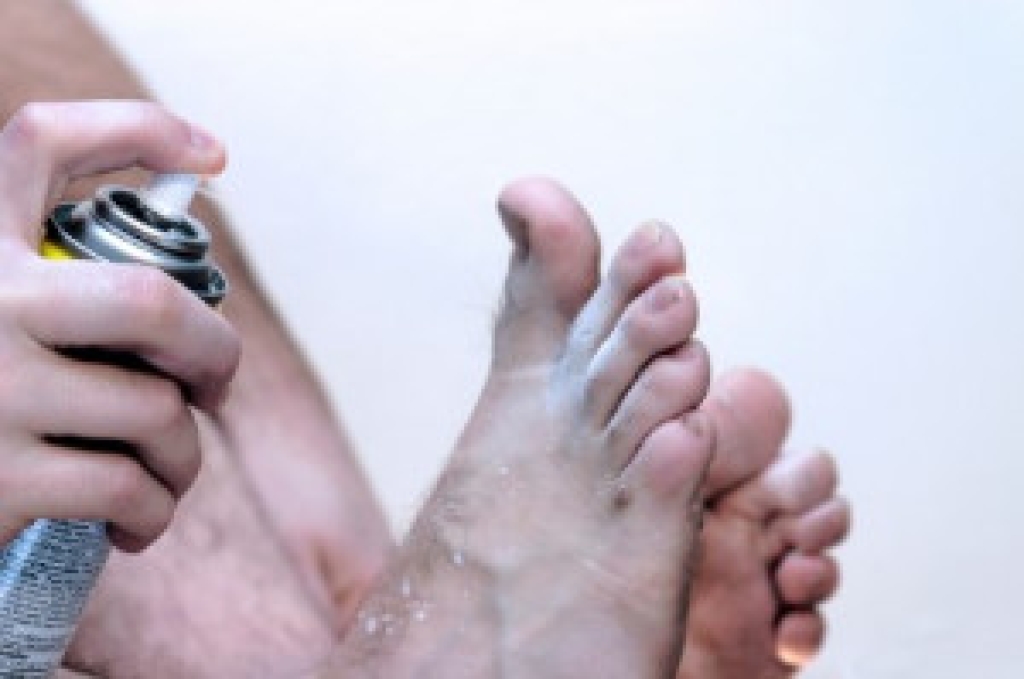
The foot condition that is known as athlete’s foot is caused by a fungus. This type of fungus is referred to as tinea pedis, and lives and thrives in warm and moist environments. These can include public shower room floors, locker rooms, pools, and their surrounding areas. Some of the symptoms that patients experience may include red and itchy skin, especially between the toes and the bottom of the feet, and small blisters, which may develop in severe cases. There are methods that can be implemented which can help to control the spread of athlete's foot. These can consist of wearing appropriate shoes while frequenting these types of areas, and avoiding sharing towels, shoes, and socks. Mild relief may be found when an antifungal powder or spray is used. If you are afflicted with this type of fungus, it is suggested that you speak to a podiatrist who can prescribe medicine that can promote recovery.

Athlete’s Foot

Athlete’s foot is often an uncomfortable condition to experience. Thankfully, podiatrists specialize in treating athlete’s foot and offer the best treatment options. If you have any questions about athlete’s foot, consult with Dr. David Ungar from Personal Foot Care. Our doctor will assess your condition and provide you with quality treatment.

What Is Athlete’s Foot?

Tinea pedis, more commonly known as athlete’s foot, is a non-serious and common fungal infection of the foot. Athlete’s foot is contagious and can be contracted by touching someone who has it or infected surfaces. The most common places contaminated by it are public showers, locker rooms, and swimming pools. Once contracted, it grows on feet that are left inside moist, dark, and warm shoes and socks.

Prevention

The most effective ways to prevent athlete’s foot include:

  • Thoroughly washing and drying feet
  • Avoid going barefoot in locker rooms and public showers
  • Using shower shoes in public showers
  • Wearing socks that allow the feet to breathe
  • Changing socks and shoes frequently if you sweat a lot

Symptoms

Athlete’s foot initially occurs as a rash between the toes. However, if left undiagnosed, it can spread to the sides and bottom of the feet, toenails, and if touched by hand, the hands themselves. Symptoms include:

  • Redness
  • Burning
  • Itching
  • Scaly and peeling skin

Diagnosis and Treatment

Diagnosis is quick and easy. Skin samples will be taken and either viewed under a microscope or sent to a lab for testing. Sometimes, a podiatrist can diagnose it based on simply looking at it. Once confirmed, treatment options include oral and topical antifungal medications.

If you have any questions, please feel free to contact our office located in Farmington, MI . We offer the newest diagnostic and treatment technologies for all your foot care needs.
Read more about How to Deal with Athlete's Foot

Wounds That Don't Heal Need to Be Checked

Your feet are covered most of the day. If you're diabetic, periodic screening is important for good health. Numbness is often a sign of diabetic foot and can mask a sore or wound.

Why Do I Have Cracked Heels?

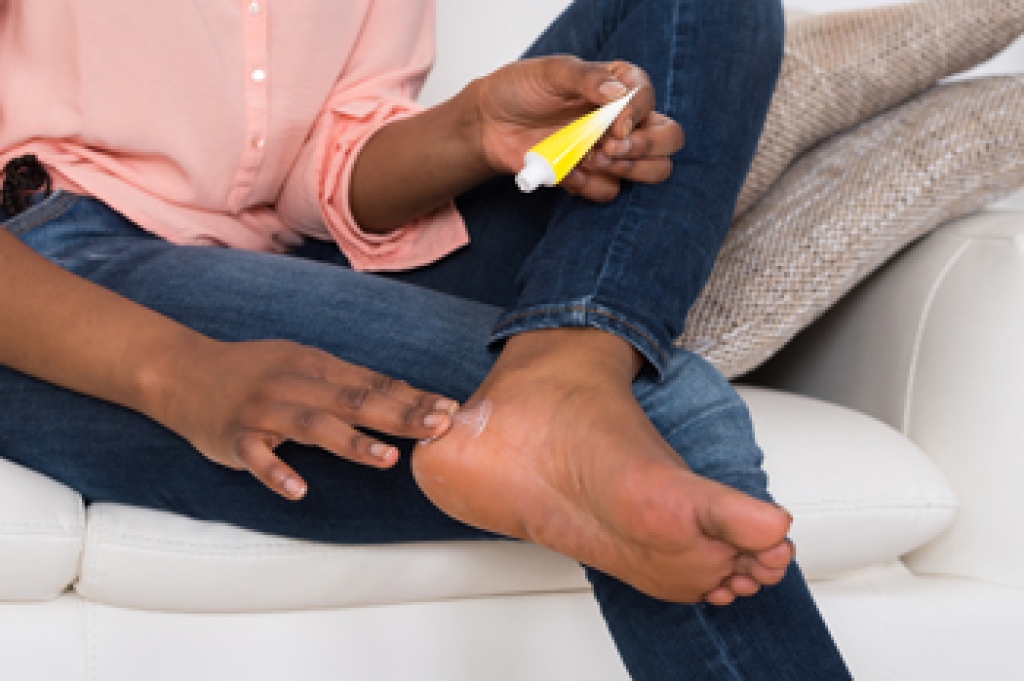
The condition that is referred to as cracked heels can be uncomfortable. In severe cases, where the cracks in the skin are deep, bleeding may occur. These are known as fissures and may become infected if not promptly treated. There are several reasons for this condition to develop that include being obese, standing for long periods of time on hard surfaces, and wearing shoes that have an open back. Mild relief may be felt when the affected heel is washed and dried thoroughly, followed by using a good moisturizer. If you have cracked heels, it is suggested that you speak with a podiatrist who can effectively treat this condition.

If the skin on your feet starts to crack, you may want to see a podiatrist to find treatment. If you have any concerns, contact Dr. David Ungar from Personal Foot Care. Our doctor can provide the care you need to keep you pain-free and on your feet.

Cracked Heels

It is important to moisturize your cracked heels in order to prevent pain, bleeding, and infection. The reason cracked heels form is because the skin on the foot is too dry to support the immense pressure placed on them. When the foot expands, the dry skin on the foot begins to split.

Ways to Help Heal Them

  • Invest in a good foot cream
  • Try Using Petroleum Jelly
  • Ease up on Soaps
  • Drink Plenty of Water

Ways to Prevent Cracked Heels

  • Moisturize After Showering
  • Skip a Shower
  • Keep Shower Water Lukewarm
  • Don’t Scrub Your Feet

If you are unsure how to proceed in treating cracked heels, seek guidance from a podiatrist. Your doctor will help you with any questions or information you may need. 

If you have any questions, please feel free to contact our office located in Farmington, MI . We offer the newest diagnostic and treatment technologies for all your foot care needs.
Read more about Solutions for Cracked Heels

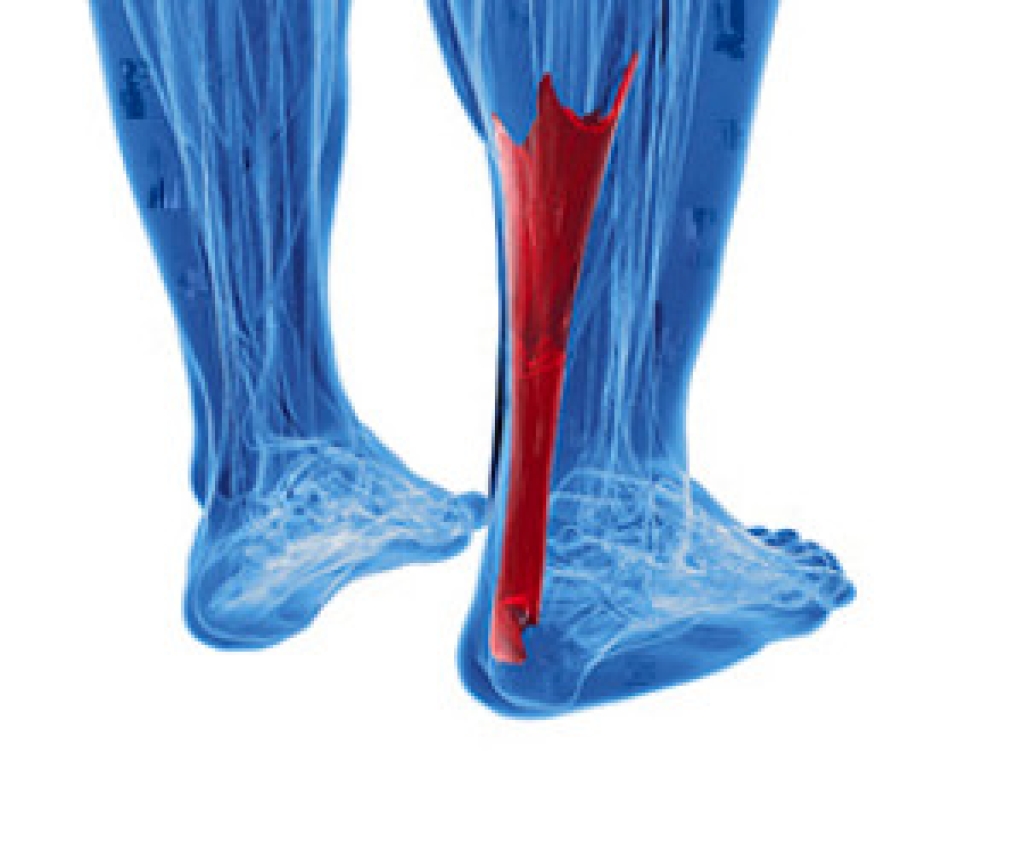
Achilles Tendon Ruptures

An Achilles tendon rupture occurs when the tendon on the back of the ankle is torn. Achilles tendon ruptures primarily occur during activities that involve pushing off of the ground or sprinting, like tennis and basketball. Some of the risk factors can include old age, poor flexibility, an inactive lifestyle, and steroid medications. Generally, most ruptures are not tied to a specific injury and are not indicated by pain before the rupture happens. A rupture is usually indicated by sudden pain that is said to be like getting kicked in the back of the leg, and a feeling or hearing of a pop in the tendon. If you have experienced an Achilles tendon rupture, be sure to consult with a podiatrist immediately. Surgery may be necessary, but it can be avoided with proper casting and physical therapy.  Either way, it may take up to 6 months for a full recovery so it is imperative that you consult with a podiatrist. 

Achilles tendon injuries need immediate attention to avoid future complications. If you have any concerns, contact Dr. David Ungar of Personal Foot Care. Our doctor can provide the care you need to keep you pain-free and on your feet.

What Is the Achilles Tendon?

The Achilles tendon is a tendon that connects the lower leg muscles and calf to the heel of the foot. It is the strongest tendon in the human body and is essential for making movement possible. Because this tendon is such an integral part of the body, any injuries to it can create immense difficulties and should immediately be presented to a doctor.

What Are the Symptoms of an Achilles Tendon Injury?

There are various types of injuries that can affect the Achilles tendon. The two most common injuries are Achilles tendinitis and ruptures of the tendon.

Achilles Tendinitis Symptoms

  • Inflammation
  • Dull to severe pain
  • Increased blood flow to the tendon
  • Thickening of the tendon

Rupture Symptoms

  • Extreme pain and swelling in the foot
  • Total immobility

Treatment and Prevention

Achilles tendon injuries are diagnosed by a thorough physical evaluation, which can include an MRI. Treatment involves rest, physical therapy, and in some cases, surgery. However, various preventative measures can be taken to avoid these injuries, such as:

  • Thorough stretching of the tendon before and after exercise
  • Strengthening exercises like calf raises, squats, leg curls, leg extensions, leg raises, lunges, and leg presses

If you have any questions please feel free to contact our office located in Farmington, MI . We offer the newest diagnostic tools and technology to treat your foot and ankle needs.

Read more about Achilles Tendon Injuries

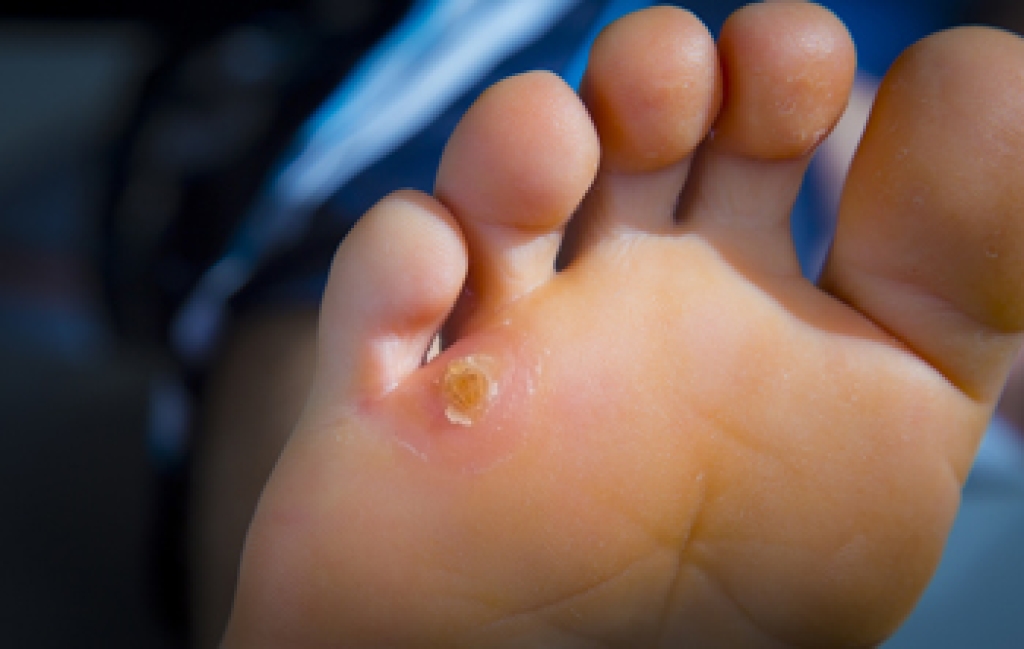
Common Risk Factors Linked to Corns

Corns, similar to calluses, are hardened layers of dead skin that typically appear in a small, ball-like shape. They can generally be found on the bottom of the feet and sides of the toes. Some patients have found them to be sensitive to the touch, often making it uncomfortable to wear shoes. The reasons why a patient may develop a corn may vary. Common risk factors include wearing shoes that are too tight for your feet, not wearing socks, and walking while barefoot. The causes previously listed all have one factor in common, excess friction that irritates the skin. The removal of a corn can be done by soaking and exfoliating the feet, followed by filing the corn with a pumice stone. For a safe removal process, please seek the professional care of a podiatrist.

Corns can make walking very painful and should be treated immediately. If you have questions regarding your feet and ankles, contact Dr. David Ungar of Personal Foot Care. Our doctor will treat your foot and ankle needs.

Corns: What Are They? And How Do You Get Rid of Them?
Corns are thickened areas on the skin that can become painful. They are caused by excessive pressure and friction on the skin. Corns press into the deeper layers of the skin and are usually round in shape.

Ways to Prevent Corns
There are many ways to get rid of painful corns such as:

  • Wearing properly fitting shoes that have been measured by a professional
  • Wearing shoes that are not sharply pointed or have high heels
  • Wearing only shoes that offer support

Treating Corns

Although most corns slowly disappear when the friction or pressure stops, this isn’t always the case. Consult with your podiatrist to determine the best treatment option for your case of corns.

If you have any questions, please feel free to contact our office located in Farmington, MI . We offer the newest diagnostic and treatment technologies for all your foot care needs.
Read more about Understanding Corns and Calluses

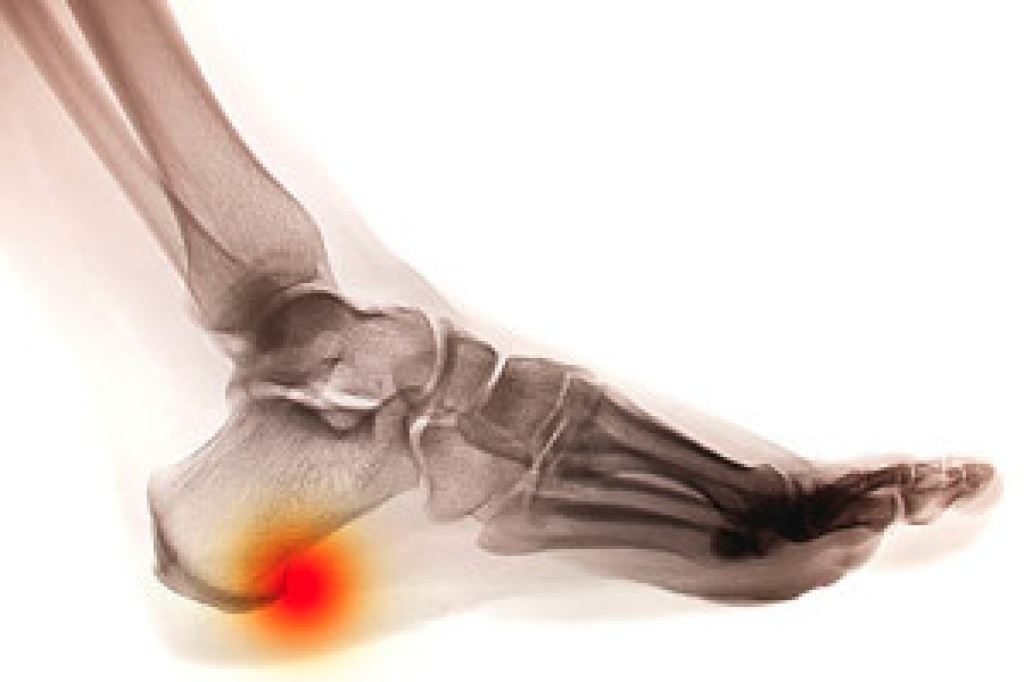
Diagnosing Heel Spurs

Heel spurs are bone growths that form on the bottom of the foot that can cause heel pain.  Heel spurs can also occur with conditions such as plantar fasciitis or Achilles tendonitis. They can be caused by both muscle and ligament strains in the foot, particularly when the tissue connecting the heel to the ball of the foot gets overstretched. If you are experiencing heel pain and possibly heel spurs, it is important to consult with a podiatrist. A podiatrist will be able to properly diagnose heel spurs by having an X-ray taken, and provide treatment solutions such as stretching exercises or physical therapy.

Heel spurs can be incredibly painful and sometimes may make you unable to participate in physical activities. To get medical care for your heel spurs, contact Dr. David Ungar from Personal Foot Care. Our doctor will do everything possible to treat your condition.

Heels Spurs

Heel spurs are formed by calcium deposits on the back of the foot where the heel is. This can also be caused by small fragments of bone breaking off one section of the foot, attaching onto the back of the foot. Heel spurs can also be bone growth on the back of the foot and may grow in the direction of the arch of the foot.

Older individuals usually suffer from heel spurs and pain sometimes intensifies with age. One of the main condition's spurs are related to is plantar fasciitis.

Pain

The pain associated with spurs is often because of weight placed on the feet. When someone is walking, their entire weight is concentrated on the feet. Bone spurs then have the tendency to affect other bones and tissues around the foot. As the pain continues, the feet will become tender and sensitive over time.

Treatments

There are many ways to treat heel spurs. If one is suffering from heel spurs in conjunction with pain, there are several methods for healing. Medication, surgery, and herbal care are some options.

If you have any questions, please feel free to contact our office located in Farmington, MI . We offer the newest diagnostic and treatment technologies for all your foot care needs.
Read more about How to Treat Heel Spurs

It's Time for Beautiful Feet

You don't need an excuse to have beautiful nails. Step outside without worrying about the appearance of your feet.

How Can I Protect My Feet While Running?

Running is a very popular activity. However, one can seriously damage the feet if they do not practice following simple safety procedures. For runners who are just beginning, it is important to start slow and steady, being sure not to strain the ligaments of the lower extremities. Overuse is a common reason why many runners end up damaging their feet and developing conditions such as Achilles tendonitis. The body needs time to adapt to this new physical activity, which is why stretching before and after each run can help prepare the legs and feet, as well as cool them down after a run is completed. Plantar fasciitis is another foot condition that is common among runners, specifically affecting the heel region. To help prevent injury, it is also important to ensure you’re choosing the proper shoe for your style of running, and that you’re getting the support necessary for your level of activity. For more information on how to avoid obtaining a running injury, it is suggested that you consult with a podiatrist for professional advice.

All runners should take extra precaution when trying to avoid injury. If you have any concerns about your feet, contact Dr. David Ungar of Personal Foot Care. Our doctor will treat your foot and ankle needs.

How to Prevent Running Injuries

There are a lot of mistakes a runner can make prior to a workout that can induce injury. A lot of athletes tend to overstretch before running, instead of saving those workouts for a post-run routine. Deep lunges and hand-to-toe hamstring pulls should be performed after a workout instead of during a warmup. Another common mistake is jumping into an intense routine before your body is physically prepared for it. You should try to ease your way into long-distance running instead of forcing yourself to rush into it.

More Tips for Preventing Injury

  • Incorporate Strength Training into Workouts - This will help improve the body’s overall athleticism
  • Improve and Maintain Your Flexibility – Stretching everyday will help improve overall performance
  • “Warm Up” Before Running and “Cool Down” Afterward – A warm up of 5-10 minutes helps get rid of lactic acid in the muscles and prevents delayed muscle soreness
  • Cross-Training is Crucial
  • Wear Proper Running Shoes
  • Have a Formal Gait Analysis – Poor biomechanics can easily cause injury

If you have any questions, please feel free to contact our office located in Farmington, MI . We offer the newest diagnostic and treatment technologies for all your foot care needs.

Read more about How to Prevent Running Injuries

Why Do I Feel Pain in The Ball of My Foot?

Morton’s neuroma is a condition that affects the nerves of the foot, often causing pain in the ball of foot. This condition can develop due to increased pressure, injury, or from ill-fitting footwear such as high heels. Patients affected with this condition often describe the feeling as if there is a pebble stuck inside of their shoe. Morton’s neuroma may cause a stinging, burning, or numbing sensation in the ball of the foot or toes. Some patients have found relief by wearing custom orthotics, shoe inserts, and by performing certain foot exercises. For a proper diagnosis and advised treatment plan, it is suggested that you consult with a podiatrist.

Morton’s neuroma is a very uncomfortable condition to live with. If you think you have Morton’s neuroma, contact Dr. David Ungar of Personal Foot Care. Our doctor will attend to all of your foot care needs and answer any of your related questions.  

Morton’s Neuroma

Morton's neuroma is a painful foot condition that commonly affects the areas between the second and third or third and fourth toe, although other areas of the foot are also susceptible. Morton’s neuroma is caused by an inflamed nerve in the foot that is being squeezed and aggravated by surrounding bones.

What Increases the Chances of Having Morton’s Neuroma?

  • Ill-fitting high heels or shoes that add pressure to the toe or foot
  • Jogging, running or any sport that involves constant impact to the foot
  • Flat feet, bunions, and any other foot deformities

Morton’s neuroma is a very treatable condition. Orthotics and shoe inserts can often be used to alleviate the pain on the forefront of the feet. In more severe cases, corticosteroids can also be prescribed. In order to figure out the best treatment for your neuroma, it’s recommended to seek the care of a podiatrist who can diagnose your condition and provide different treatment options.

If you have any questions, please feel free to contact our office located in Farmington, MI . We offer the newest diagnostic and treatment technologies for all your foot care needs.

Read more about Morton's Neuroma

Connect With Us

DAVID UNGAR