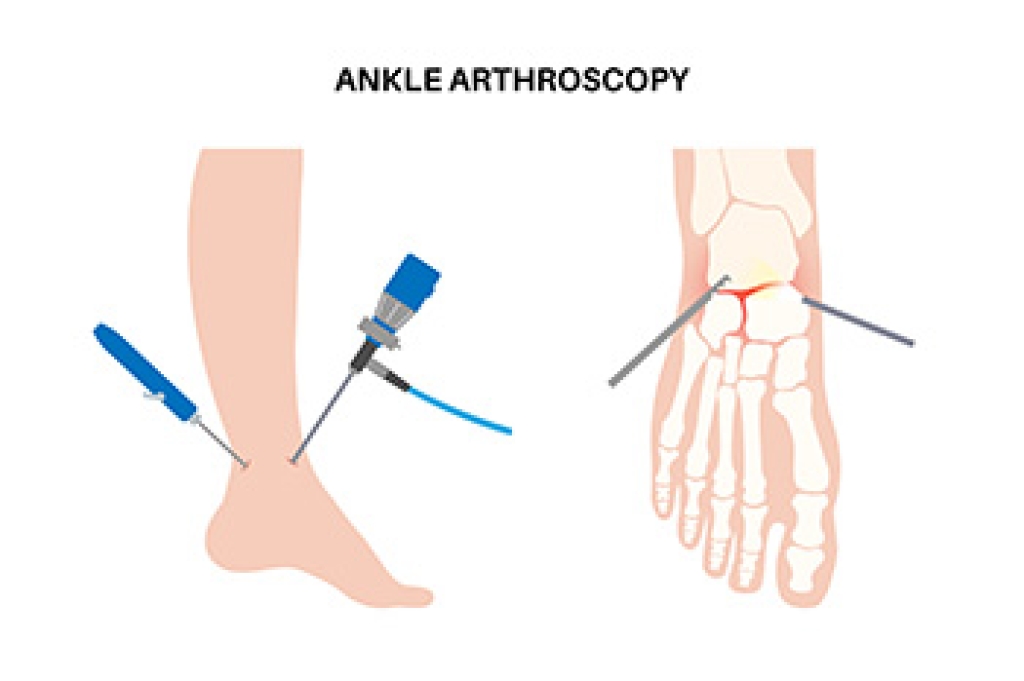
Arthroscopic Surgery for Ankle Repair

Arthroscopic ankle surgery is a minimally invasive procedure that allows a podiatrist to diagnose and repair damaged tissues in the ankle joint. Using a small camera called an arthroscope, the podiatrist can assess the condition of bones, cartilage, ligaments, and tendons through small incisions. This method is commonly used to treat ligament tears, loose bone or cartilage fragments, and scar tissue that may be causing pain or limiting movement. Ankle arthroscopy can also help reduce discomfort caused by arthritis or impingement, where swollen tissues restrict joint motion. The procedure involves inserting surgical instruments through additional small incisions to repair or remove damaged structures. Compared to open surgery, arthroscopy generally results in less pain and a shorter recovery time. However, healing can vary depending on the severity of the damage and the extent of the repair. A podiatrist can evaluate whether arthroscopic ankle surgery is appropriate and provide guidance on the recovery process. If you would like more information about arthroscopic ankle repair, it is suggested that you schedule an appointment with a podiatrist for an exam and treatment options.

Ankle pain can have many different causes and the pain may potentially be serious. If you have ankle pain, consult with Dr. David Ungar from Personal Foot Care. Our doctor will assess your condition and provide you with quality foot and ankle treatment.

Ankle pain is any condition that causes pain in the ankle. Due to the fact that the ankle consists of tendons, muscles, bones, and ligaments, ankle pain can come from a number of different conditions.

Causes

The most common causes of ankle pain include:

  • Types of arthritis (rheumatoid, osteoarthritis, and gout)
  • Ankle sprains
  • Broken ankles
  • Achilles tendinitis
  • Achilles tendon rupture
  • Stress fractures
  • Tarsal tunnel syndrome
  • Plantar fasciitis

Symptoms

Symptoms of ankle injury vary based upon the condition. Pain may include general pain and discomfort, swelling, aching, redness, bruising, burning or stabbing sensations, and/or loss of sensation.

Diagnosis

Due to the wide variety of potential causes of ankle pain, podiatrists will utilize a number of different methods to properly diagnose ankle pain. This can include asking for personal and family medical histories and of any recent injuries. Further diagnosis may include sensation tests, a physical examination, and potentially x-rays or other imaging tests.

Treatment

Just as the range of causes varies widely, so do treatments. Some more common treatments are rest, ice packs, keeping pressure off the foot, orthotics and braces, medication for inflammation and pain, and surgery.

If you have any questions please feel free to contact our office located in Farmington, MI . We offer the newest diagnostic tools and technology to treat your foot and ankle needs.

Read more about Various Causes of Ankle Pain

Manging Morton’s Neuroma

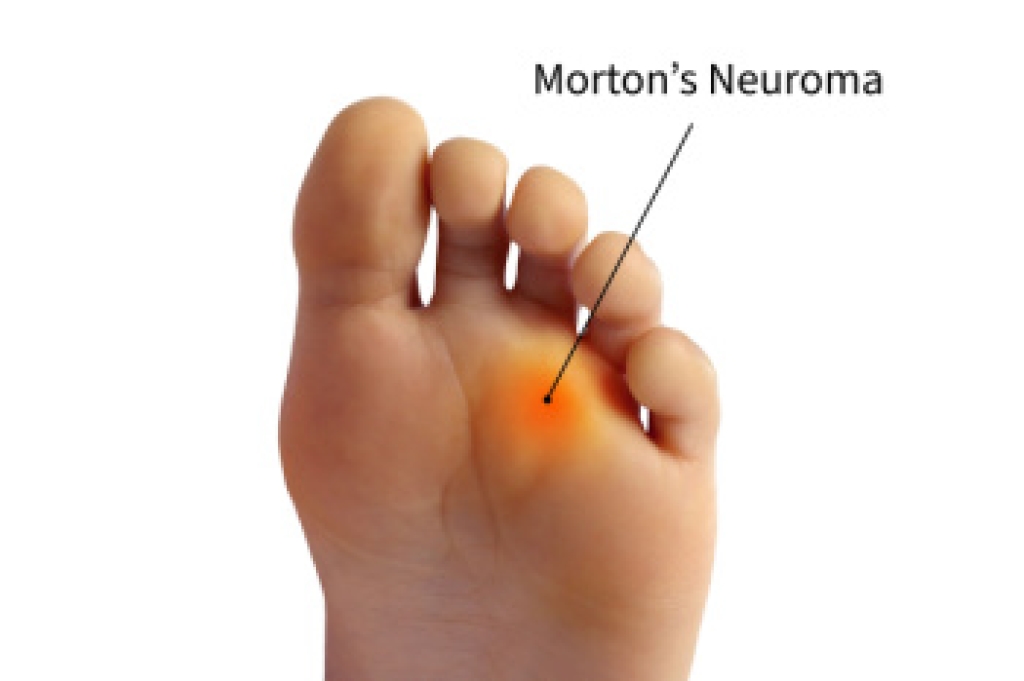
Morton’s neuroma is a painful condition that affects the nerve between the toes, usually between the third and fourth toes. It occurs when the tissue surroudning the nerve thickens, often due to pressure or irritation, causing sharp, burning pain, numbness, or tingling in the ball of the foot. It might feel like there is a pebble in your shoe, and you may notice swelling between the toes or have difficulty in walking. The condition is often caused by wearing tight, narrow shoes, high heels, or engaging in activities that put repetitive stress on the feet. If left untreated, Morton’s neuroma can worsen, making it more difficult to perform daily activities. Treatment options include rest, anti-inflammatory medications, and wearing wider shoes with cushioned insoles. A podiatrist can offer customized orthotics, recommend corticosteroid injections to reduce inflammation, or even suggest minimally invasive surgery, in more severe cases. If you have foot pain or discomfort, it is suggested that you schedule an appointment with a podiatrist for an accurate diagnosis and effective treatment plan.

Morton’s neuroma is a very uncomfortable condition to live with. If you think you have Morton’s neuroma, contact Dr. David Ungar of Personal Foot Care. Our doctor will attend to all of your foot care needs and answer any of your related questions.  

Morton’s Neuroma

Morton's neuroma is a painful foot condition that commonly affects the areas between the second and third or third and fourth toe, although other areas of the foot are also susceptible. Morton’s neuroma is caused by an inflamed nerve in the foot that is being squeezed and aggravated by surrounding bones.

What Increases the Chances of Having Morton’s Neuroma?

  • Ill-fitting high heels or shoes that add pressure to the toe or foot
  • Jogging, running or any sport that involves constant impact to the foot
  • Flat feet, bunions, and any other foot deformities

Morton’s neuroma is a very treatable condition. Orthotics and shoe inserts can often be used to alleviate the pain on the forefront of the feet. In more severe cases, corticosteroids can also be prescribed. In order to figure out the best treatment for your neuroma, it’s recommended to seek the care of a podiatrist who can diagnose your condition and provide different treatment options.

If you have any questions, please feel free to contact our office located in Farmington, MI . We offer the newest diagnostic and treatment technologies for all your foot care needs.

Read more about What is Morton's Neuroma?

How Obesity Affects the Feet

Obesity places significant strain on the feet, leading to increased pressure on the joints, soft tissues, and arches. Excess weight contributes to a lower arch height and a more pronated foot posture, which alters how the foot functions during walking. This change in biomechanics can lead to foot pain, swelling, and a higher risk of joint damage over time. The added stress also accelerates cartilage wear, increasing the likelihood of developing arthritis in the foot and ankle. Obese patients often experience higher plantar pressures, which can cause pain in the heel, midfoot, and toes. The increased load on the feet may weaken intrinsic foot muscles, reducing stability and increasing the risk of falls. Limited mobility and altered gait patterns can further compromise foot function, leading to chronic discomfort. A podiatrist can assess structural changes, recommend appropriate footwear, and provide treatment to alleviate pain and improve mobility. If you have foot pain that may be related to your weight, it is suggested that you schedule an appointment with a podiatrist for an exam and appropriate treatment.

The more you weigh, the harder your feet must work to support your body. If you’re an obese individual and are concerned about your feet, contact Dr. David Ungar from Personal Foot Care. Our doctor can provide the care you need to keep you pain-free and on your feet.

Obesity and Your Feet

People who are overweight are putting more pressure on their ankles, knees, and hips as well as their feet. This unfortunately can lead to variety of different issues.

Problems & Complications Stemming from Obesity

  • When the body is overweight, it tries to compensate by changing the way that it moves. An obese person may lean forward and put extra weight on the wrong part of the foot. This puts unnecessary stress on the feet.
  • Obese people are also more likely to develop type II diabetes which is a condition that causes a lot of foot problems. People with diabetes often don’t feel the cuts and sores that they may have on their feet, which can lead to more complicated and severe issues.
  • Plantar fasciitis is another foot condition that can be caused by obesity. Plantar fasciitis is an inflammation of the tissue along the bottom of the foot, which causes pain and stiffness while walking and climbing stairs.

If you have any questions please contact our office located in Farmington, MI . We offer the newest diagnostic and treatment technologies for all your foot and ankle needs.

Read more about Obesity and the Feet

Understanding Athlete's Foot and How to Prevent It

Athlete's foot is a fungal infection that affects the skin on the feet, often starting between the toes. It is caused by fungi that thrive in warm, damp environments. The infection leads to symptoms such as itching, redness, peeling, and sometimes blisters. Athlete's foot is extremely contagious and can spread in public places like gyms, swimming pool areas, and locker rooms. To prevent athlete's foot, it is important to maintain proper foot hygiene by keeping the feet clean and dry. Wearing moisture-wicking socks made of materials like cotton or wool can help reduce sweat build-up, which is a breeding ground for the fungus. Additionally, it is essential to wear well-ventilated shoes that allow the feet to breathe. Using antifungal powders or sprays can further protect against infection, especially for those who frequent public spaces. Regularly changing socks and avoiding walking barefoot in communal areas are also effective prevention measures. Athlete’s foot can be uncomfortable and unsightly. If you have developed this condition, it is suggested that you promptly contact a podiatrist who can effectively treat athlete’s foot, often with prescribed medication.

Athlete’s Foot

Athlete’s foot is often an uncomfortable condition to experience. Thankfully, podiatrists specialize in treating athlete’s foot and offer the best treatment options. If you have any questions about athlete’s foot, consult with Dr. David Ungar from Personal Foot Care. Our doctor will assess your condition and provide you with quality treatment.

What Is Athlete’s Foot?

Tinea pedis, more commonly known as athlete’s foot, is a non-serious and common fungal infection of the foot. Athlete’s foot is contagious and can be contracted by touching someone who has it or infected surfaces. The most common places contaminated by it are public showers, locker rooms, and swimming pools. Once contracted, it grows on feet that are left inside moist, dark, and warm shoes and socks.

Prevention

The most effective ways to prevent athlete’s foot include:

  • Thoroughly washing and drying feet
  • Avoid going barefoot in locker rooms and public showers
  • Using shower shoes in public showers
  • Wearing socks that allow the feet to breathe
  • Changing socks and shoes frequently if you sweat a lot

Symptoms

Athlete’s foot initially occurs as a rash between the toes. However, if left undiagnosed, it can spread to the sides and bottom of the feet, toenails, and if touched by hand, the hands themselves. Symptoms include:

  • Redness
  • Burning
  • Itching
  • Scaly and peeling skin

Diagnosis and Treatment

Diagnosis is quick and easy. Skin samples will be taken and either viewed under a microscope or sent to a lab for testing. Sometimes, a podiatrist can diagnose it based on simply looking at it. Once confirmed, treatment options include oral and topical antifungal medications.

If you have any questions, please feel free to contact our office located in Farmington, MI . We offer the newest diagnostic and treatment technologies for all your foot care needs.

Read more about Athlete's Foot

Wounds That Don't Heal Need to Be Checked

Your feet are covered most of the day. If you're diabetic, periodic screening is important for good health. Numbness is often a sign of diabetic foot and can mask a sore or wound.

Connect With Us

DAVID UNGAR