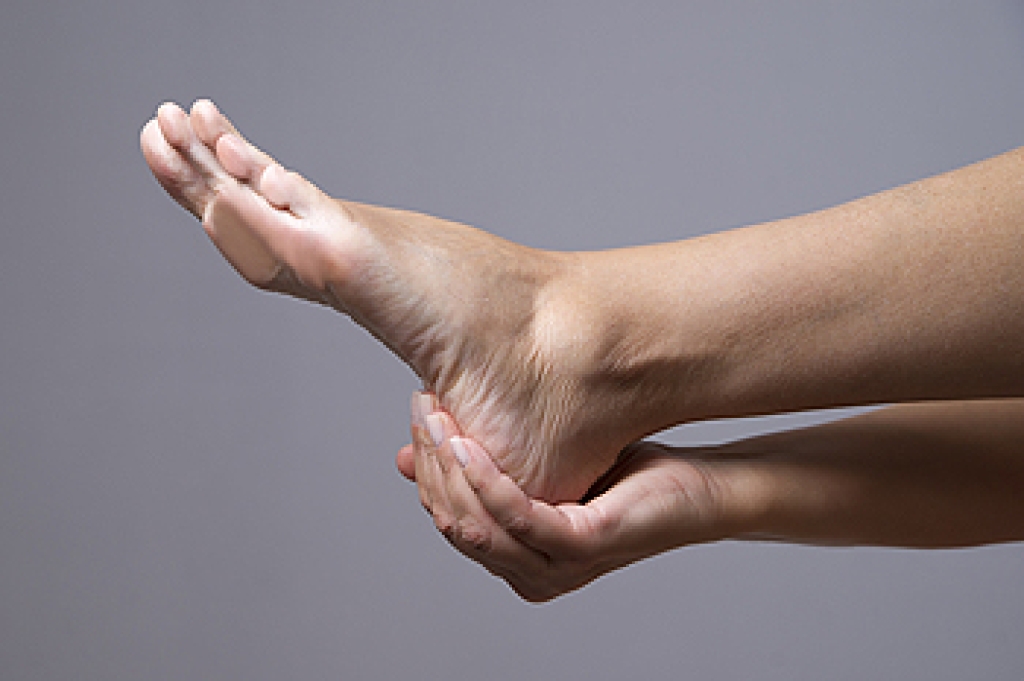
What Is a Plantar Wart?

Patients who have had a plantar wart are familiar with the pain and discomfort it can cause. It is caused by human papillomavirus, which is known as HPV. It enters the body through small cuts in the skin on the feet, and will typically grow in the heel area. This virus lives in warm and moist environments, which can include public pools, shower room floors, and surrounding areas. A plantar wart is different than most warts because it grows into the heel instead of out. This happens as a result of the amount of pressure the heel endures while standing and walking. Some of the symptoms that are associated with this contagious condition can include heel pain, which can be severe upon arising in the morning, bleeding if it is scraped, and walking may also be affected. If you have a plantar wart, it is suggested that you seek the counsel of a podiatrist who has access to methods for proper removal. 

Plantar warts can be very uncomfortable. If you need your feet checked, contact Dr. David Ungar from Personal Foot Care. Our doctor will assist you with all of your foot and ankle needs.

About Plantar Warts

Plantar warts are the result of HPV, or human papillomavirus, getting into open wounds on the feet. They are mostly found on the heels or balls of the feet.

While plantar warts are generally harmless, those experiencing excessive pain or those suffering from diabetes or a compromised immune system require immediate medical care. Plantar warts are easily diagnosed, usually through scraping off a bit of rough skin or by getting a biopsy.

Symptoms

  • Lesions on the bottom of your feet, usually rough and grainy
  • Hard or thick callused spots
  • Wart seeds, which are small clotted blood vessels that look like little black spots
  • Pain, discomfort, or tenderness of your feet when walking or standing

Treatment

  • Freezing
  • Electric tool removal
  • Laser Treatment
  • Topical Creams (prescription only)
  • Over-the-counter medications

To help prevent developing plantar warts, avoid walking barefoot over abrasive surfaces that can cause cuts or wounds for HPV to get into. Avoiding direct contact with other warts, as well as not picking or rubbing existing warts, can help prevent the further spread of plantar warts. However, if you think you have developed plantar warts, speak to your podiatrist. He or she can diagnose the warts on your feet and recommend the appropriate treatment options.

If you have any questions, please feel free to contact our office located in Farmington, MI . We offer the newest diagnostic and treatment technologies for all your foot care needs.
Read more about What Are Plantar Warts?

How Do Ankle Sprains Occur?

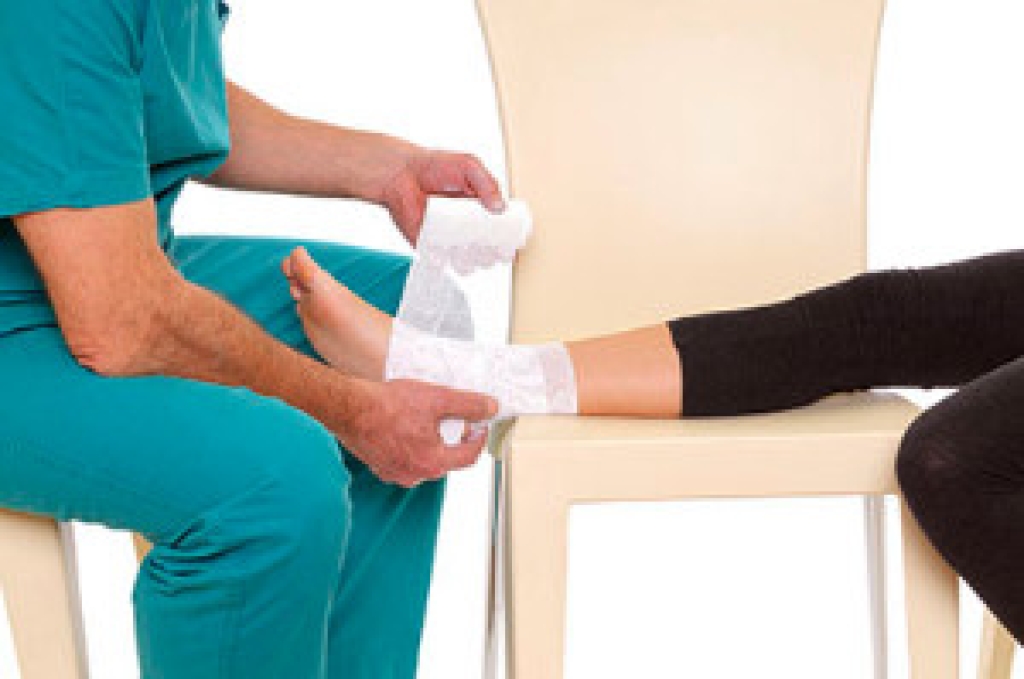
Ankle sprains are considered to be a common injury to the lower leg. They can happen when the ankle suddenly twists, or lands on the ground in an unnatural way. This can occur while participating in sporting activities, or from unexpectedly stepping off of a curb. The symptoms that are commonly associated with this type of injury include severe pain and discomfort, swelling, and it is generally difficult to walk. Relief can be found when the affected foot is elevated, and this may help to diminish a portion of the swelling. A proper diagnosis typically consists of having an X-ray performed, and this is advantageous in eliminating the possibility of a fracture. An effective treatment technique can consist of wrapping the ankle in a bandage, which is often helpful in providing the support that is needed for healing. If you have sprained your ankle, it is advised that you consult with a podiatrist who can help you to properly heal.

Although ankle sprains are common, they aren’t always minor injuries. If you need your ankle injury looked at, contact Dr. David Ungar from Personal Foot Care. Our doctor can provide the care you need to keep you pain-free and on your feet.

How Does an Ankle Sprain Occur?

Ankle sprains are the result of a tear in the ligaments within the ankle. These injuries may happen when you make a rapid shifting movement while your foot is planted. A less common way to sprain your ankle is when your ankle rolls inward while your foot turns outward.

What Are the Symptoms?

  • Pain at the sight of the tear
  • Bruising/Swelling
  • Ankle area is tender to touch
  • In severe cases, may hear/feel something tear
  • Skin discoloration

Preventing a Sprain

  • Wearing appropriate shoes for the occasion
  • Stretching before exercises and sports
  • Knowing your limits

Treatment of a Sprain

In many cases, the RICE method (Rest, Ice, Compression, and Elevate) is used to treat ankle sprains. However, you should see a podiatrist to see which treatment option would work best with your injury. In severe cases, surgery may be required.

It is important to ask your doctor about rehab options after you receive treatment for your injury. Stretching, strength training, and balance exercises may help the ankle heal while also preventing further injury.

If you have any questions, please feel free to contact our office located in Farmington, MI . We offer the newest diagnostic and treatment technologies for all your foot care needs.

Read more about Ankle Sprains

Types of Foot Pain

Many people experience foot pain at some point in their lives. This can range from having chronic foot pain, to enduring a sudden injury. Additionally, there are medical conditions that can cause pain and discomfort in the feet. These can consist of bunions, athlete’s foot, and plantar fasciitis. A bunion produces a bony protrusion on the side of the big toe. This can develop from genetic traits, or from wearing shoes that do not have adequate room for the toes to move freely in. It may appear red, and pain may come from the pressure that is exerted on it. Itching between the toes and on the bottom of the feet may be indicative of athlete’s foot, which is caused by a fungus. In severe cases, medication may be prescribed. The latter is caused by inflammation of the tendon that is located on the sole of the foot. It connects the heel to the toes, and will typically produce pain and discomfort in the heel. If you are having any type of foot pain, it is strongly suggested that you seek the counsel of a podiatrist who can guide you towards the proper treatment.

Foot Pain

Foot pain can be extremely painful and debilitating. If you have a foot pain, consult with Dr. David Ungar from Personal Foot Care. Our doctor will assess your condition and provide you with quality foot and ankle treatment.

Causes

Foot pain is a very broad condition that could be caused by one or more ailments. The most common include:

  • Bunions
  • Hammertoes
  • Plantar Fasciitis
  • Bone Spurs
  • Corns
  • Tarsal Tunnel Syndrome
  • Ingrown Toenails
  • Arthritis (such as Gout, Rheumatoid, and Osteoarthritis)
  • Flat Feet
  • Injury (from stress fractures, broken toe, foot, ankle, Achilles tendon ruptures, and sprains)
  • And more

Diagnosis

To figure out the cause of foot pain, podiatrists utilize several different methods. This can range from simple visual inspections and sensation tests to X-rays and MRI scans. Prior medical history, family medical history, and any recent physical traumatic events will all be taken into consideration for a proper diagnosis.

Treatment

Treatment depends upon the cause of the foot pain. Whether it is resting, staying off the foot, or having surgery; podiatrists have a number of treatment options available for foot pain.

If you have any questions, please feel free to contact our office located in Farmington, MI . We offer the newest diagnostic and treatment technologies for all your foot care needs.

Read more about Foot Pain

Stretching and the Prevention of Running Injuries

Many runners are familiar with the pain and discomfort a running injury can cause. It is beneficial to practice an adequate warm up routine before embarking on a running adventure, as this may help to prevent unwanted running injuries. When the legs are strong, the chances of incurring a running injury may be diminished. This can be accomplished by performing stretches that can strengthen the legs. Additionally, many runners and joggers find it beneficial to use a foam roller on their calves, as this may help to alleviate the pain that can come from sore and tight muscles. If you would like additional information about how to prevent running injuries, it is suggested that you consult with a podiatrist.

Exercising your feet regularly with the proper foot wear is a great way to prevent injuries. If you have any concerns about your feet, contact Dr. David Ungar of Personal Foot Care. Our doctor will treat your foot and ankle needs.

How to Prevent Running Injuries

Many common running injuries are caused by overuse and overtraining. When the back of the kneecap starts wearing out and starts causing pain in your knee, this is commonly referred to as runner’s knee. Runner’s knee is a decrease in strength in your quadriceps and can occur if you’re not wearing properly fitted or supporting shoes. To prevent runner’s knee, focusing on hip strengthening is a good idea, as well as strengthening your quads to keep the kneecaps aligned.

What Are Some Causes of Running Injuries? 
- One cause of a common running injury is called iliotibial band syndrome.
- Plantar fasciitis is also another common injury.
- Stress fractures can occur from overtraining, lack of calcium, or even your running style.

Best Ways to Prevent Running Injuries
- Wear footwear that fits properly and suits your running needs.
- Running shoes are the only protective gear that runners have to safeguard them from injury.
- Make a training schedule. Adding strengthening exercises as well as regular stretching can help keep you strong and limber and can lessen the possibility of injuries.
- Stretching keeps muscles limber; this will help you gain better flexibility.

If you have any questions, please feel free to contact our office located in Farmington, MI . We offer the newest diagnostic and treatment technologies for all your foot care needs.

Read more about Preventing Running Injuries

Connect With Us

DAVID UNGAR