
Increasing Balance to Prevent Running Injuries

Any runner knows that preventing a running injury by looking after the health of the feet is an essential part of being a good runner. One way in which a runner can do this is by performing balance enhancing stretches. For example, to improve balance, a runner may consider performing a single leg balance stretch and squat. During this stretch, a runner stands on one leg while slowly and squatting repeatedly. By doing this stretch, a runner can essentially improve the extent to which they land evenly on each foot while running. If you are a runner looking to prevent the onset of running injuries, then it is suggested that you confer with a podiatrist today for advice and possible treatment.

All runners should take extra precaution when trying to avoid injury. If you have any concerns about your feet, contact Dr. David Ungar of Personal Foot Care. Our doctor will treat your foot and ankle needs.

How to Prevent Running Injuries

There are a lot of mistakes a runner can make prior to a workout that can induce injury. A lot of athletes tend to overstretch before running, instead of saving those workouts for a post-run routine. Deep lunges and hand-to-toe hamstring pulls should be performed after a workout instead of during a warmup. Another common mistake is jumping into an intense routine before your body is physically prepared for it. You should try to ease your way into long-distance running instead of forcing yourself to rush into it.

More Tips for Preventing Injury

  • Incorporate Strength Training into Workouts - This will help improve the body’s overall athleticism
  • Improve and Maintain Your Flexibility – Stretching everyday will help improve overall performance
  • “Warm Up” Before Running and “Cool Down” Afterward – A warm up of 5-10 minutes helps get rid of lactic acid in the muscles and prevents delayed muscle soreness
  • Cross-Training is Crucial
  • Wear Proper Running Shoes
  • Have a Formal Gait Analysis – Poor biomechanics can easily cause injury

If you have any questions, please feel free to contact our office located in Farmington, MI . We offer the newest diagnostic and treatment technologies for all your foot care needs.

Read more about How to Prevent Running Injuries

When a Sore on the Foot Won’t Heal

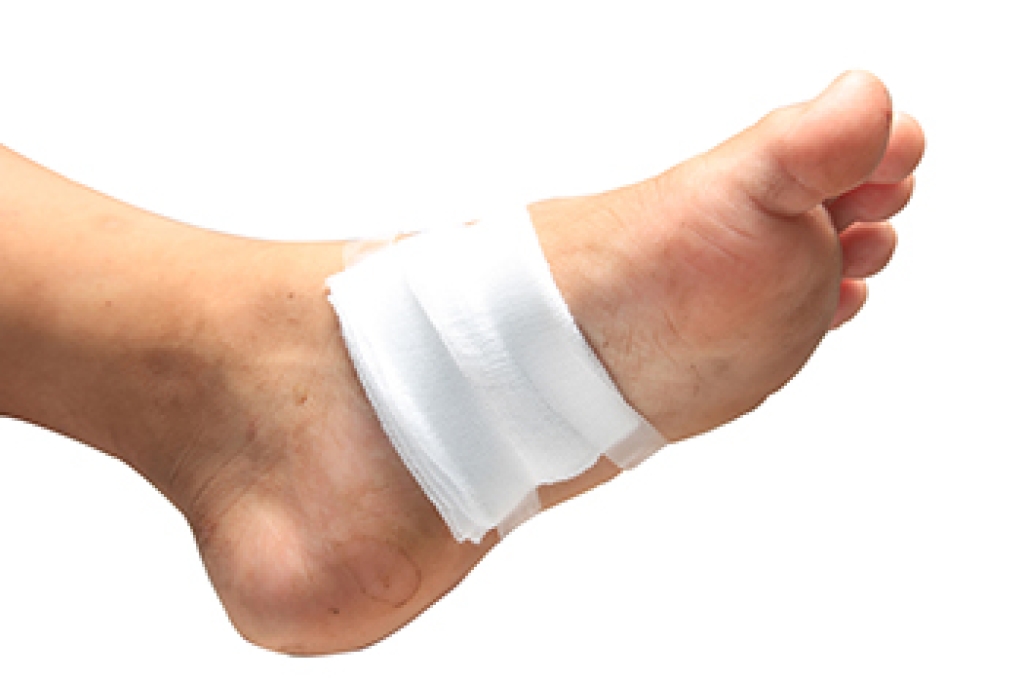
Many people with diabetes incur injuries to their feet, but because of nerve damage that causes numbness, these wounds may not be detected. Additionally, peripheral artery damage also caused by high blood sugar levels can make it more difficult for such wounds to heal in a timely fashion. This set of circumstances often results in what is known as a diabetic foot ulcer, which may take weeks or even months to heal. In that case, a podiatrist may perform a technique called debridement to scrape away any dead skin or tissue that has formed. First, the area around the wound is disinfected. Then the sore will be examined to determine its depth and severity. After removing any dead tissue, the ulcer will be washed out. Its color is important to note. If the area is red or pink it is more likely to heal. If it is bluish or purple, it is less likely to heal. After debridement is complete, the podiatrist will suggest treatment options to prevent further ulcers from developing. For more information about foot ulcers, it is suggested that you make an appointment with a podiatrist.

Wound care is an important part in dealing with diabetes. If you have diabetes and a foot wound or would like more information about wound care for diabetics, consult with Dr. David Ungar from Personal Foot Care. Our doctor will assess your condition and provide you with quality foot and ankle treatment.

What Is Wound Care?

Wound care is the practice of taking proper care of a wound. This can range from the smallest to the largest of wounds. While everyone can benefit from proper wound care, it is much more important for diabetics. Diabetics often suffer from poor blood circulation which causes wounds to heal much slower than they would in a non-diabetic. 

What Is the Importance of Wound Care?

While it may not seem apparent with small ulcers on the foot, for diabetics, any size ulcer can become infected. Diabetics often also suffer from neuropathy, or nerve loss. This means they might not even feel when they have an ulcer on their foot. If the wound becomes severely infected, amputation may be necessary. Therefore, it is of the upmost importance to properly care for any and all foot wounds.

How to Care for Wounds

The best way to care for foot wounds is to prevent them. For diabetics, this means daily inspections of the feet for any signs of abnormalities or ulcers. It is also recommended to see a podiatrist several times a year for a foot inspection. If you do have an ulcer, run the wound under water to clear dirt from the wound; then apply antibiotic ointment to the wound and cover with a bandage. Bandages should be changed daily and keeping pressure off the wound is smart. It is advised to see a podiatrist, who can keep an eye on it.

If you have any questions please contact our office located in Farmington, MI . We offer the newest diagnostic and treatment technologies for all your foot and ankle needs.

Read more about Wound Care

Dealing With Ankle Sprains and Strains

It can be easy to confuse strains and sprains because both can cause ankle pain. An ankle sprain is the result of overstretching a ligament. This can happen to anyone, but is especially common among those involved in strenuous physical activity. A strain is the tearing of a muscle or tendon. Strains and sprains frequently occur in tandem, as the result of a sudden injury to the ankle joint. The ankle joint is a complex structure involving bones, ligaments, tendons, and muscles that work together to allow the body to move and absorb the stress of that movement. If too much weight is applied or the joint is stretched too far, injuries to any of the elements of the ankle joint can occur. Sprains and strains can range from a slight tear to a complete rupture. Treatment is dependent on the severity of the injury, as is recovery time. In most cases, healing from an ankle injury is likely to take months. If you have experienced an ankle injury, it is suggested that you make an appointment with a podiatrist for an exam, a diagnosis, and a course of treatment.

Although ankle sprains are common, they aren’t always minor injuries. If you need your ankle injury looked at, contact Dr. David Ungar from Personal Foot Care. Our doctor can provide the care you need to keep you pain-free and on your feet.

How Does an Ankle Sprain Occur?

Ankle sprains are the result of a tear in the ligaments within the ankle. These injuries may happen when you make a rapid shifting movement while your foot is planted. A less common way to sprain your ankle is when your ankle rolls inward while your foot turns outward.

What Are the Symptoms?

  • Pain at the sight of the tear
  • Bruising/Swelling
  • Ankle area is tender to touch
  • In severe cases, may hear/feel something tear
  • Skin discoloration

Preventing a Sprain

  • Wearing appropriate shoes for the occasion
  • Stretching before exercises and sports
  • Knowing your limits

Treatment of a Sprain

In many cases, the RICE method (Rest, Ice, Compression, and Elevate) is used to treat ankle sprains. However, you should see a podiatrist to see which treatment option would work best with your injury. In severe cases, surgery may be required.

It is important to ask your doctor about rehab options after you receive treatment for your injury. Stretching, strength training, and balance exercises may help the ankle heal while also preventing further injury.

If you have any questions, please feel free to contact our office located in Farmington, MI . We offer the newest diagnostic and treatment technologies for all your foot care needs.

Read more about Ankle Sprains

Foot Pain May Indicate Health Issues

Having persistent foot conditions may indicate there may be issues with overall health. Foot cramps can be a sign of dehydration, and may be remedied by drinking plenty of water. Morton’s neuroma can cause a tingling or burning sensation between the third and fourth toes and can happen from wearing shoes that do not have enough room for the toes to move freely in. Flakey skin may be a symptom of athlete's foot, which is caused by a fungal infection. Some patients have consistently cold feet, despite warm socks that are worn. This could mean there are circulatory issues, and it may be accompanied by fatigue. If you have foot pain for any reason, it is strongly suggested that you consult with a podiatrist who can provide treatment, in addition to determining if the foot pain represents an underlying health condition.

Foot Pain

Foot pain can be extremely painful and debilitating. If you have a foot pain, consult with Dr. David Ungar from Personal Foot Care. Our doctor will assess your condition and provide you with quality foot and ankle treatment.

Causes

Foot pain is a very broad condition that could be caused by one or more ailments. The most common include:

  • Bunions
  • Hammertoes
  • Plantar Fasciitis
  • Bone Spurs
  • Corns
  • Tarsal Tunnel Syndrome
  • Ingrown Toenails
  • Arthritis (such as Gout, Rheumatoid, and Osteoarthritis)
  • Flat Feet
  • Injury (from stress fractures, broken toe, foot, ankle, Achilles tendon ruptures, and sprains)
  • And more

Diagnosis

To figure out the cause of foot pain, podiatrists utilize several different methods. This can range from simple visual inspections and sensation tests to X-rays and MRI scans. Prior medical history, family medical history, and any recent physical traumatic events will all be taken into consideration for a proper diagnosis.

Treatment

Treatment depends upon the cause of the foot pain. Whether it is resting, staying off the foot, or having surgery; podiatrists have a number of treatment options available for foot pain.

If you have any questions, please feel free to contact our office located in Farmington, MI . We offer the newest diagnostic and treatment technologies for all your foot care needs.

Read more about Foot Pain

Do Your Child's Feet Hurt?

Have your child's feet been examined lately? Healthy feet are happy feet. If your child is complaining of foot pain, it may be a sign of underlying problems.

Connect With Us

DAVID UNGAR