
If left untreated, an ingrown toenail can lead to more serious concerns, such as an infection. Knowing proper nail care can help in the prevention of an ingrown toenail. Give us a call, and get treated!
If left untreated, an ingrown toenail can lead to more serious concerns, such as an infection. Knowing proper nail care can help in the prevention of an ingrown toenail. Give us a call, and get treated!
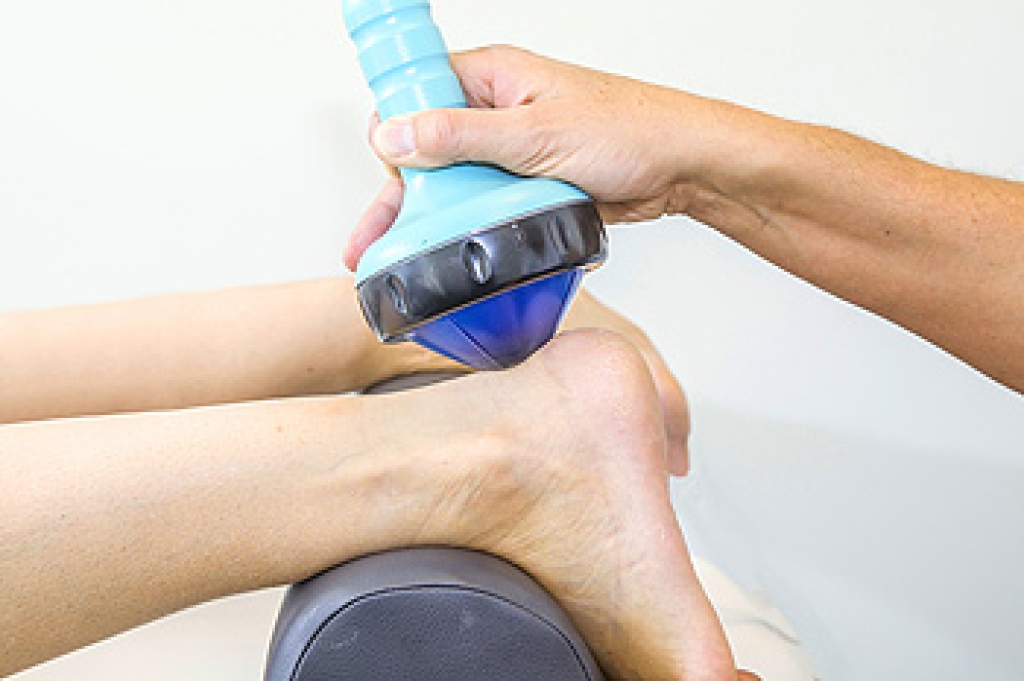 The medical procedure that is known as shockwave therapy may be helpful in monitoring chronic foot pain. Shockwave therapy is a type of non-invasive therapy which may accelerate the healing process. It is administered by a machine that delivers high-energy sound waves. This procedure generally causes little or no pain, in addition to minimal time missed from work and other activities. The conditions that are commonly treated with shockwave therapy can include plantar fasciitis, ankle discomfort, and general foot pain. If you are suffering with chronic foot pain, it is strongly suggested that you are under the care of a podiatrist who can discuss the benefits of shockwave therapy with you.
Shockwave therapy is a treatment commonly used to treat various injuries and conditions, particularly plantar fasciitis in the feet. To learn more, consult with Dr. David Ungar from Personal Foot Care. Our doctor can provide the care you need to keep you pain-free and on your feet.
Shockwave Therapy
Shockwave therapy is a new treatment option designed to treat bone conditions such as tennis elbow, shoulder pain, and others. Shockwave therapy uses high intensity sound waves that are directed to the affected tissues of the body with pinpoint accuracy. The effects are very beneficial, leading to a production of collagen fibers, eliminating inflammation.
Who Benefits from Shockwave?
Shockwave is recommended for patients suffering from heel pain and associated problems. Heel pain is a common condition which can be caused by obesity, overexertion, and spending a substantial amount of time on hard floors with your feet exposed and unsupported.
Fast and Easy
The therapy is actually a simple process that can leave patients feeling better the very next day. Shockwave therapy is not as dramatic as it sounds. It enables more blood flow to effected areas, addressing the source of the problem and allowing treatment to last for a long time.
Treatment & Recovery Time
Shockwave treatment will enable your feet to recover quickly. This is especially important since surgery is not required. It is cost effective and does not require the use of anesthesia. This treatment is a better option to surgery, since it is proven safe.
If you have any questions, please feel free to contact our office located in Farmington, MI . We offer the newest diagnostic and treatment technologies for all your foot care needs.
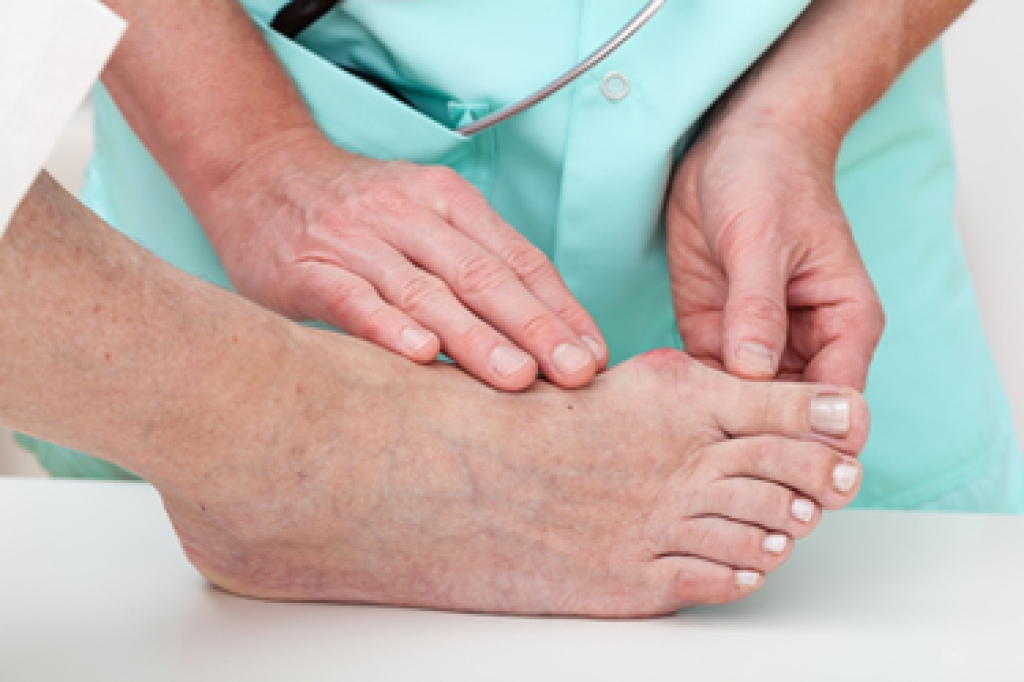 You may have heard of bunions, the large bony bump that forms at the base of the joint of the big toe. But have you ever heard of bunionettes? Like their larger cousins, bunionettes are deformities that cause bony protrusions to form at the base of the toe joint, but rather than being found on the big toes, bunionettes are found on the pinky toes. Bunionettes tend to cause pain and discomfort. Much like bunions, bunionettes can be treated by wearing wider, more comfortable shoes. Other treatments include putting a comfort pad on the outside of the bunionette, wearing a toe spacer between the fourth and fifth toes, and in more severe cases, limiting the amount of time that you spend standing and walking. A small number of patients may also benefit from surgery. If you have bunionettes that are causing you pain, it is recommended that you visit a podiatrist for treatment.
If you are suffering from bunions, contact Dr. David Ungar of Personal Foot Care. Our doctor can provide the care you need to keep you pain-free and on your feet.
What Is a Bunion?
A bunion is formed of swollen tissue or an enlargement of boney growth, usually located at the base joint of the toe that connects to the foot. The swelling occurs due to the bones in the big toe shifting inward, which impacts the other toes of the foot. This causes the area around the base of the big toe to become inflamed and painful.
Why Do Bunions Form?
Genetics – Susceptibility to bunions are often hereditary
Stress on the feet – Poorly fitted and uncomfortable footwear that places stress on feet, such as heels, can worsen existing bunions
How Are Bunions Diagnosed?
Podiatrists often perform two tests – blood tests and x-rays – when trying to diagnose bunions, especially in the early stages of development. Blood tests help determine if the foot pain is being caused by something else, such as arthritis, while x-rays provide a clear picture of your bone structure to your provider.
How Are Bunions Treated?
If you have any questions, please feel free to contact our office located in Farmington, MI . We offer the newest diagnostic and treatment technologies for all your foot care needs.
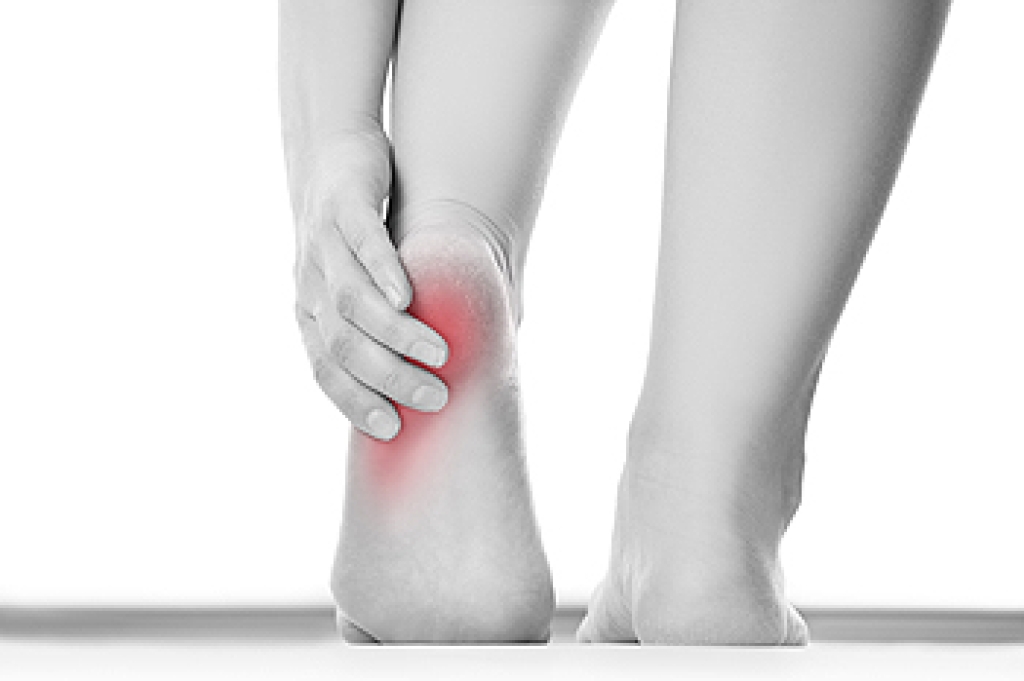 One common source of heel pain is plantar fasciitis, which occurs when the plantar fascia, the tissue connecting the heel to the bottom of the foot, is inflamed. Common symptoms of plantar fasciitis include sharp heel pain, pain after resting, heel tenderness, pain while flexing, and tingling or burning in the bottom of the foot. Upon experiencing symptoms, it is important to visit a podiatrist. During the exam, a podiatrist will examine any swelling, tenderness and pain points. After the examination, your podiatrist will suggest a variety of treatment options that can include rest, orthotics, stretching, icing, and massages. Medicine may also be prescribed. If you think that you are suffering from plantar fasciitis, it is suggested that you visit a podiatrist.
Plantar fasciitis is a common foot condition that is often caused by a strain injury. If you are experiencing heel pain or symptoms of plantar fasciitis, contact Dr. David Ungar from Personal Foot Care. Our doctor can provide the care you need to keep you pain-free and on your feet.
What Is Plantar Fasciitis?
Plantar fasciitis is one of the most common causes of heel pain. The plantar fascia is a ligament that connects your heel to the front of your foot. When this ligament becomes inflamed, plantar fasciitis is the result. If you have plantar fasciitis you will have a stabbing pain that usually occurs with your first steps in the morning. As the day progresses and you walk around more, this pain will start to disappear, but it will return after long periods of standing or sitting.
What Causes Plantar Fasciitis?
There are some risk factors that may make you more likely to develop plantar fasciitis compared to others. The condition most commonly affects adults between the ages of 40 and 60. It also tends to affect people who are obese because the extra pounds result in extra stress being placed on the plantar fascia.
Prevention
There are a variety of treatment options available for plantar fasciitis along with the pain that accompanies it. Additionally, physical therapy is a very important component in the treatment process. It is important that you meet with your podiatrist to determine which treatment option is best for you.
If you have any questions, please feel free to contact our office located in Farmington, MI . We offer the newest diagnostic and treatment technologies for all your foot care needs.

The type of shoes that are worn is important to consider while working out. An exercise routine may be hindered if shoes do not fit correctly, and potential foot problems may develop. There are different types of shoes that can be purchased for various sporting activities. Runners will benefit by knowing the amount of shock absorption that is needed, in addition to observing how the feet make contact with the ground. This can be identified by looking at old shoes, and noticing wear and tear patterns. For people that enjoy hiking, boots may be a better option than running shoes. It is beneficial if they are made of waterproof materials, and have adequate cushioning. If you have any questions about what type of shoes to purchase for preferred sporting activities, please consult with a podiatrist who can help you to make the right choices.
It is important to find shoes that fit you properly in order to avoid a variety of different foot problems. For more information about treatment, contact Dr. David Ungar from Personal Foot Care. Our doctor will treat your foot and ankle needs.
Proper Shoe Fitting
Shoes have many different functions. They cushion our body weight, protect our feet, and allow us to safely play sports. You should always make sure that the shoes you wear fit you properly in order to avoid injuries and deformities such as: bunions, corns, calluses, hammertoes, plantar fasciitis, stress fractures, and more. It is important to note that although a certain pair of shoes might be a great fit for someone else, that doesn’t mean they will be a great fit for you. This is why you should always try on shoes before buying them to make sure they are worth the investment. Typically, shoes need to be replaced ever six months to one year of regular use.
Tips for Proper Shoe Fitting
The shoes you buy should always feel as good as they look. Shoes that fit properly will last longer, feel better, and improve your way of life each day.
If you have any questions please contact our office located in Farmington, MI . We offer the newest diagnostic and treatment technologies for all your foot and ankle needs.
Connect With Us

