Simple Stretches That Can Help Your Feet

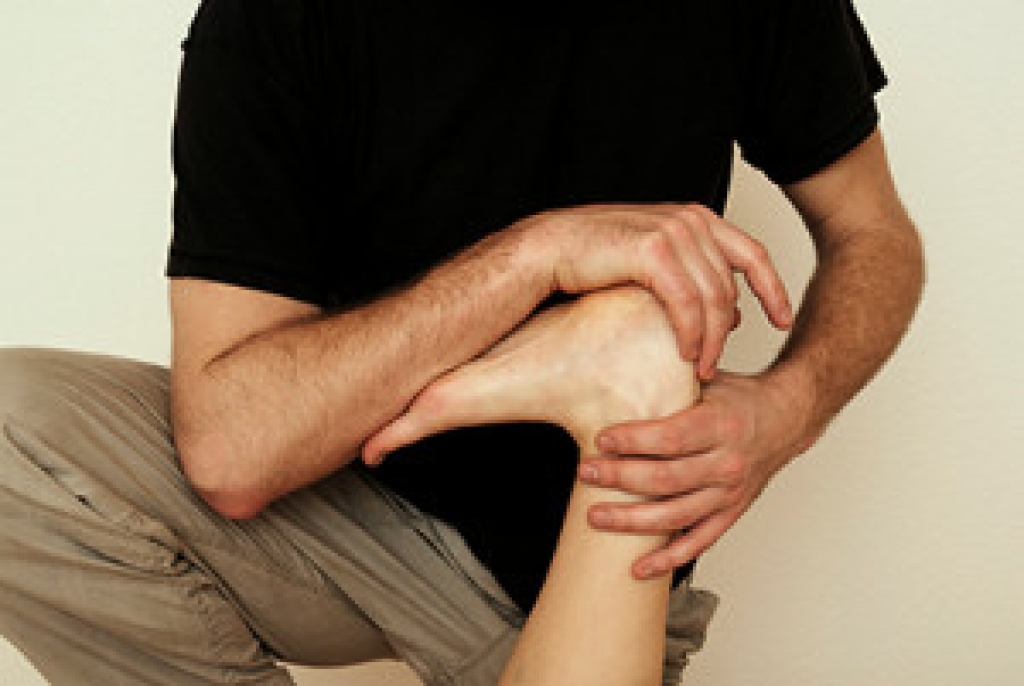
People who regularly stretch their feet are often aware of the benefits that can come from frequently practicing foot stretches. An effective way to stretch the Achilles tendon is done by standing on a step, and gently lowering one foot at a time. The big toe can be stretched by grasping the heel while sitting down, and slowly bending the big toe toward you. Additionally, this is helpful in stretching the sole of the foot. The toes can become stronger when a towel curl stretch is performed. This is practiced by placing your foot on a towel, and gently grabbing it with your toes. For more information about the benefits of stretching the feet, please schedule an appointment with a podiatrist.

Stretching the feet is a great way to prevent injuries. If you have any concerns with your feet consult with Dr. David Ungar from Personal Foot Care. Our doctor will assess your condition and provide you with quality foot and ankle treatment.

Stretching the Feet

Stretching the muscles in the foot is an important part in any physical activity. Feet that are tight can lead to less flexibility and make you more prone to injury. One of the most common forms of foot pain, plantar fasciitis, can be stretched out to help ease the pain. Stretching can not only ease pain from plantar fasciitis but also prevent it as well. However, it is important to see a podiatrist first if stretching is right for you. Podiatrists can also recommend other ways to stretch your feet. Once you know whether stretching is right for you, here are some excellent stretches you can do.

  • Using a foam roller or any cylindrical object (a water bottle or soda can will do), roll the object under your foot back and forth. You should also exert pressure on the object. Be sure to do this to both feet for a minute. Do this exercise three times each.
  • Similar to the previous one, take a ball, such as a tennis ball, and roll it under your foot while seated and exert pressure on it.
  • Grab a resistance band or towel and take a seat. If you are using a towel, fold it length wise. Next put either one between the ball of your foot and heel and pull with both hands on each side towards you. Hold this for 15 seconds and then switch feet. Do this three times for each foot.
  • Finally hold your big toe while crossing one leg over the other. Pull the toe towards you and hold for 15 seconds. Once again do this three times per foot.

It is best to go easy when first stretching your foot and work your way up. If your foot starts hurting, stop exercising and ice and rest the foot. It is advised to then see a podiatrist for help.

If you have any questions please contact our office located in Farmington, MI . We offer the newest diagnostic and treatment technologies for all your foot and ankle needs.
Read more about How to Stretch Your Feet

Methods That May Help To Limit Running Injuries

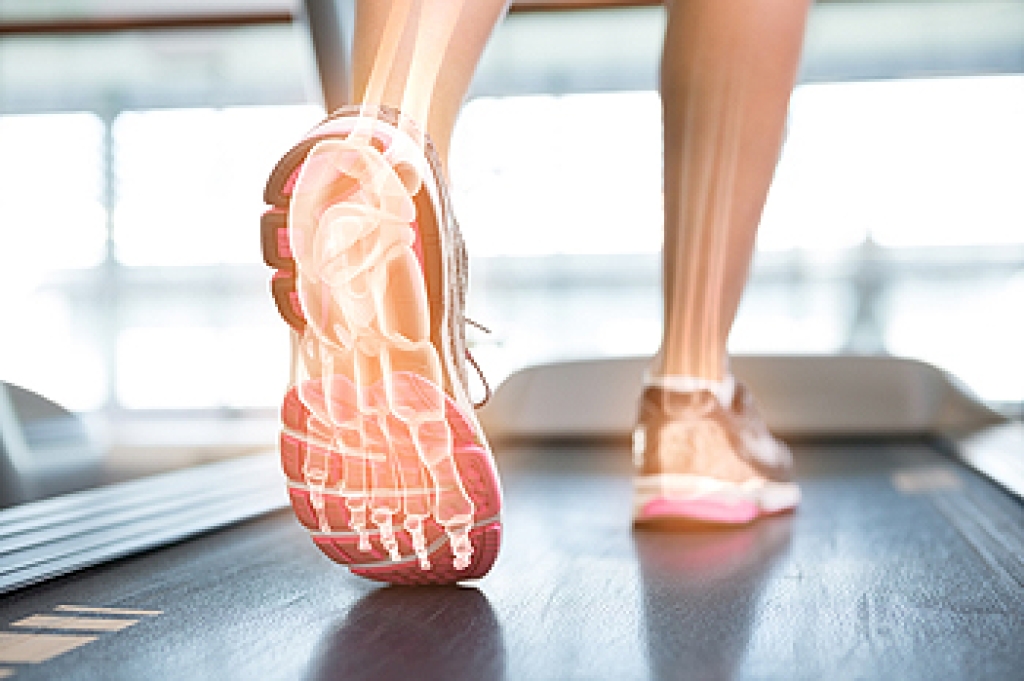
People who enjoy running are aware of the impact an injury can have on their chosen sport or hobby. There are specific methods that can be implemented which may help to prevent running injuries. These can include performing exercises that can strengthen the glutes, which may help to absorb the impact running can have on the body. Additionally, wearing the right running shoes may be instrumental in avoiding an injury, and it helps to identify what style of running is enjoyed. Research has shown the importance of warming up and cooling down before and after running. It is also beneficial to gradually increase the time and the distance that running is practiced. If you have questions or concerns about how to protect the feet while running, please consult with a podiatrist.

Exercising your feet regularly with the proper foot wear is a great way to prevent injuries. If you have any concerns about your feet, contact Dr. David Ungar of Personal Foot Care. Our doctor will treat your foot and ankle needs.

How to Prevent Running Injuries

Many common running injuries are caused by overuse and overtraining. When the back of the kneecap starts wearing out and starts causing pain in your knee, this is commonly referred to as runner’s knee. Runner’s knee is a decrease in strength in your quadriceps and can occur if you’re not wearing properly fitted or supporting shoes. To prevent runner’s knee, focusing on hip strengthening is a good idea, as well as strengthening your quads to keep the kneecaps aligned.

What Are Some Causes of Running Injuries? 
- One cause of a common running injury is called iliotibial band syndrome.
- Plantar fasciitis is also another common injury.
- Stress fractures can occur from overtraining, lack of calcium, or even your running style.

Best Ways to Prevent Running Injuries
- Wear footwear that fits properly and suits your running needs.
- Running shoes are the only protective gear that runners have to safeguard them from injury.
- Make a training schedule. Adding strengthening exercises as well as regular stretching can help keep you strong and limber and can lessen the possibility of injuries.
- Stretching keeps muscles limber; this will help you gain better flexibility.

If you have any questions, please feel free to contact our office located in Farmington, MI . We offer the newest diagnostic and treatment technologies for all your foot care needs.

Read more about Preventing Running Injuries

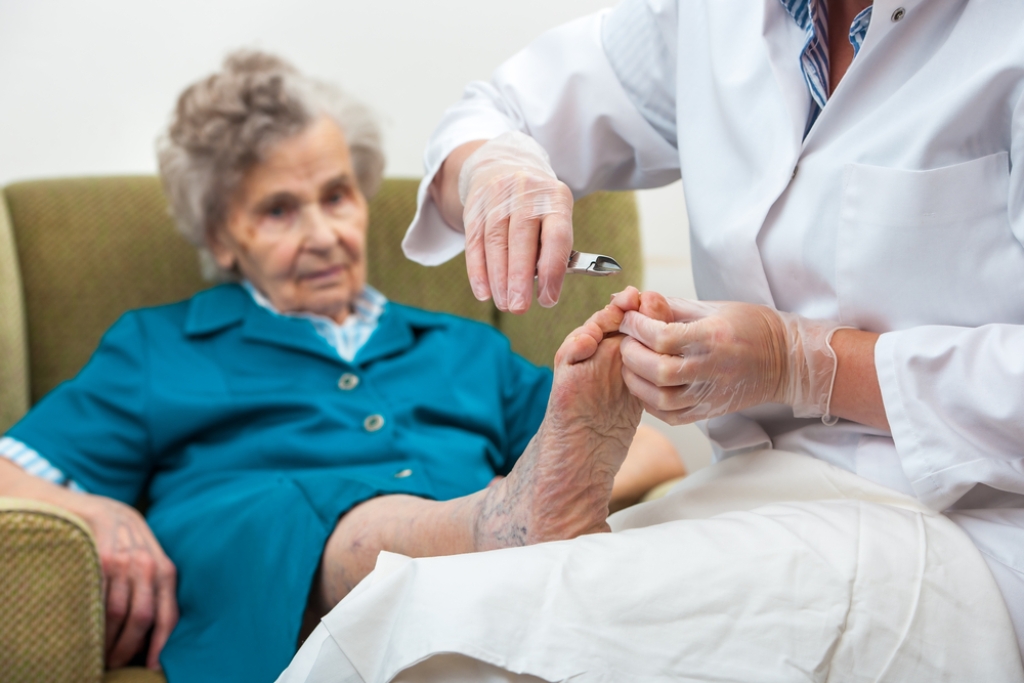
Seniors May Need Extra Time for Foot Care

It is important for people of all ages to maintain proper foot care, and this may become especially urgent as the aging process occurs. Many elderly people may have difficulty in properly trimming their toenails, in addition to checking their feet for cuts and bruises. Foot conditions may be connected to heart ailments and other illnesses, which may be easier to notice when the feet are regularly checked. Everyday care for elderly patients consists of developing a routine to keep their feet healthy. This can consist of washing the feet in warm water, followed by applying a moisturizer. Additionally, wearing cotton socks may help the feet to stay dry and clean. If you would like more information about steps to properly care for elderly feet, please schedule an appointment with a podiatrist.

Proper foot care is something many older adults forget to consider. If you have any concerns about your feet and ankles, contact Dr. David Ungar from Personal Foot Care. Our doctor can provide the care you need to keep you pain-free and on your feet.

The Elderly and Their Feet

As we age we start to notice many changes in our body, but the elder population may not notice them right away. Medical conditions may prevent the elderly to take notice of their foot health right away. Poor vision is a lead contributor to not taking action for the elderly.

Common Conditions 

  • Neuropathy – can reduce feeling in the feet and can hide many life-threatening medical conditions.
  • Reduced flexibility – prevents the ability of proper toenail trimming, and foot cleaning. If left untreated, it may lead to further medical issues.
  • Foot sores – amongst the older population can be serious before they are discovered. Some of the problematic conditions they may face are:
  • Gouging toenails affecting nearby toe
  • Shoes that don’t fit properly
  • Pressure sores
  • Loss of circulation in legs & feet
  • Edema & swelling of feet and ankles

Susceptible Infections

Diabetes and poor circulation can cause general loss of sensitivity over the years, turning a simple cut into a serious issue.

If you have any questions, please feel free to contact our office located in Farmington, MI . We offer the newest diagnostic and treatment technologies for all your foot care needs.

Read more about Elderly Foot Care

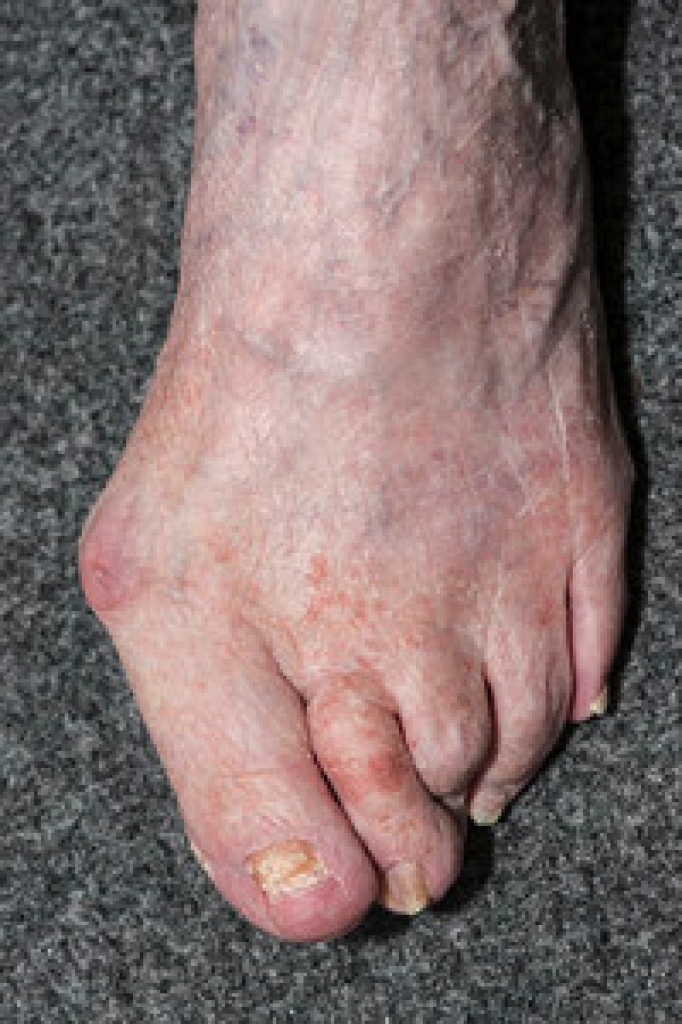
Where Does a Bunion Develop?

A bunion is defined as a noticeable, bony bump that extends on the side of the big toe. It can gradually form as a result of wearing shoes that do not have adequate room for the toes to move freely in. Additionally, genetic factors may play a significant role in developing a bunion. Common symptoms that many patients endure often include pain, redness on or around the affected area, and there may be considerable discomfort while walking. Mild relief may be felt when larger shoes are worn that can accommodate the bunion, and it may be beneficial to wear custom made orthotics. If you see the beginning signs of a bunion, it is suggested that you consult with a podiatrist who can help you to determine what the correct treatment method is for you.

If you are suffering from bunion pain, contact Dr. David Ungar of Personal Foot Care. Our doctor can provide the care you need to keep you pain-free and on your feet.

What Is a Bunion?

Bunions are painful bony bumps that usually develop on the inside of the foot at the joint of the big toe. As the deformity increases over time, it may become painful to walk and wear shoes. Women are more likely to exacerbate existing bunions since they often wear tight, narrow shoes that shift their toes together. Bunion pain can be relieved by wearing wider shoes with enough room for the toes.

Causes

  • Genetics – some people inherit feet that are more prone to bunion development
  • Inflammatory Conditions - rheumatoid arthritis and polio may cause bunion development

Symptoms

  • Redness and inflammation
  • Pain and tenderness
  • Callus or corns on the bump
  • Restricted motion in the big toe

In order to diagnose your bunion, your podiatrist may ask about your medical history, symptoms, and general health. Your doctor might also order an x-ray to take a closer look at your feet. Nonsurgical treatment options include orthotics, padding, icing, changes in footwear, and medication. If nonsurgical treatments don’t alleviate your bunion pain, surgery may be necessary.

If you have any questions, please feel free to contact our office located in Farmington, MI . We offer the newest diagnostic and treatment technologies for all your foot care needs.

Read more about Bunions

Reminder: When Was the Last Time...?

Custom orthotics, or shoe inserts, should be periodically replaced. Orthotics must fit properly to give you the best results. Protect your feet and ankles!

Connect With Us

DAVID UNGAR