Yoga Practice May Strengthen the Feet and Ankles

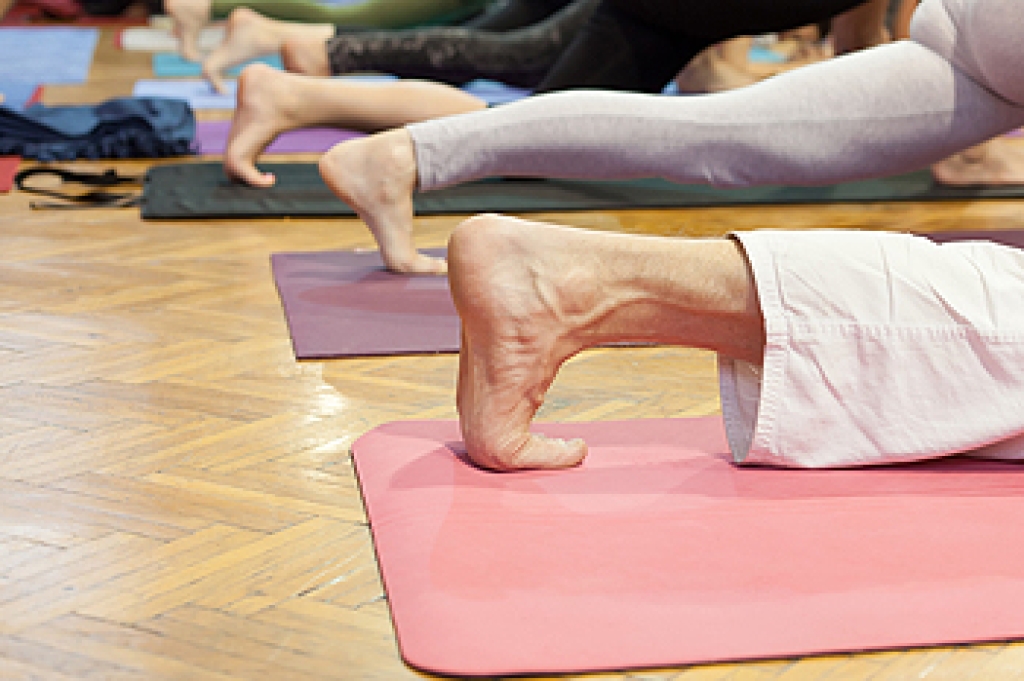
When proper care of the feet and ankles are maintained, the overall health of the body may be positively affected. The alignment of the body is affected by how we walk and stand, and research has shown that practicing yoga may be an option in ensuring the body remains strong. If the feet are not properly cared for, specific foot conditions may develop as a result of this, possibly including heel spurs, bunions, or plantar fasciitis. There are several parts of the feet that may be strengthened as a benefit of a yoga practice, and these may include the inner and outer heel, in addition to the pinky and big toe mound areas. An important portion of performing yoga includes standing with the feet flat on the floor and making sure the weight of the body is evenly distributed on the four corners of the foot. When this is accomplished, lift the arches. This may strengthen the muscles of the ankles and feet. If you would like additional information about the benefits of stretching the feet, speak to a podiatrist.  

Why Stretching Is Important for Your Feet

Stretching the feet is a great way to prevent injuries. If you have any concerns with your feet consult with Dr. David Ungar from Personal Foot Care. Our doctor will assess your condition and provide you with quality foot and ankle treatment.

Stretching the Feet

Stretching the muscles in the foot is an important part in any physical activity. Feet that are tight can lead to less flexibility and make you more prone to injury. One of the most common forms of foot pain, plantar fasciitis, can be stretched out to help ease the pain. Stretching can not only ease pain from plantar fasciitis but also prevent it as well. However, it is important to see a podiatrist first to determine if stretching is right for you. Podiatrists can also recommend other ways to stretch your feet. Once you know whether stretching is right for you, here are some excellent stretches you can do.

  • Using a foam roller or any cylindrical object (a water bottle or soda can will do), roll the object under your foot back and forth. You should also exert pressure on the object. Be sure to do this to both feet for a minute. Do this exercise three times each.
  • Similar to the previous exercise, take a ball, such as a tennis ball, and roll it under your foot while seated and exert pressure on it.
  • Grab a resistance band or towel and take a seat. If you are using a towel, fold it length wise. Next put either one between the ball of your foot and heel and pull with both hands on each side towards you. Hold this for 15 seconds and then switch feet. Do this three times for each foot.
  • Finally hold your big toe while crossing one leg over the other. Pull the toe towards you and hold for 15 seconds. Once again do this three times per foot.

It is best to go easy when first stretching your foot and work your way up. If your foot starts hurting, stop exercising to ice and rest the foot. It is advised that you then see a podiatrist for help.

If you have any questions please contact our office located in Farmington, MI . We offer the newest diagnostic and treatment technologies for all your foot and ankle needs.
Read more about How to Stretch Your Feet

Children and Ingrown Toenails

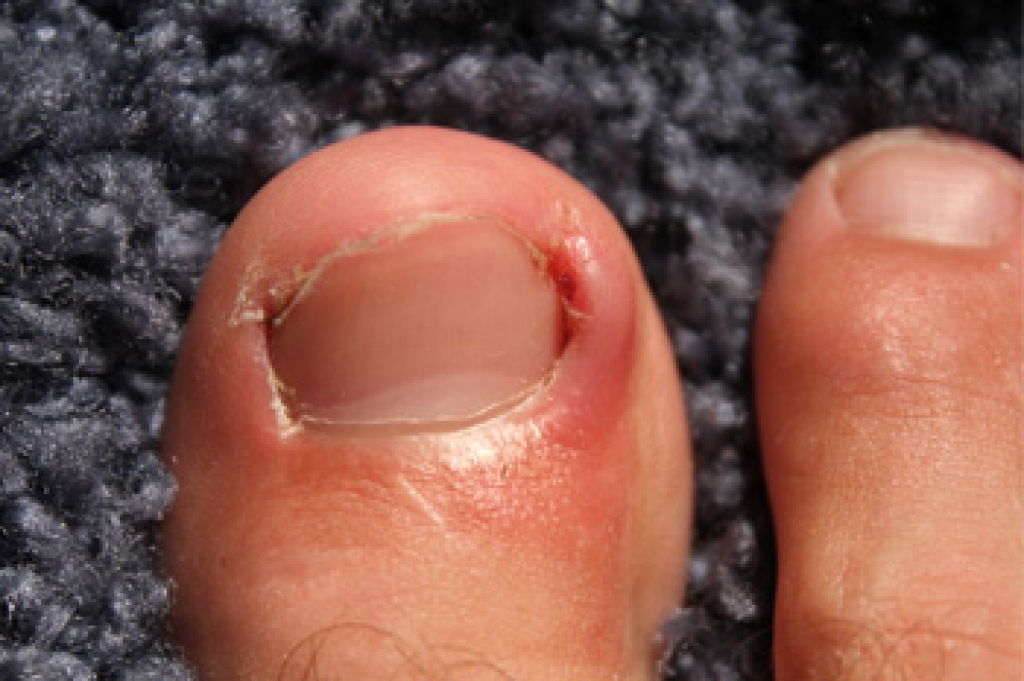
If your child complains of an irritation on the side of her big toe, they may have what is known as an ingrown toenail. The typical reasons why this condition may occur can be from wearing shoes that do not fit correctly and provide inadequate room for the toes to move freely in, and toenails that are trimmed improperly. Additionally, some children may pick at their toenails, and this type of action may lead to developing ingrown toenails. Some of the uncomfortable symptoms that are associated with this condition may be tenderness around the edge of the toenail, swelling and redness. If this ailment is not treated promptly, a painful infection may occur when bacteria enters the body through small cuts in the skin. It’s important to obtain a prompt and proper diagnosis, and this can be accomplished by consulting a podiatrist who can also assist in beginning correct treatment.

Ingrown toenails can become painful if they are not treated properly. For more information about ingrown toenails, contact Dr. David Ungar of Personal Foot Care. Our doctor can provide the care you need to keep you pain-free and on your feet.

Ingrown Toenails

Ingrown toenails occur when a toenail grows sideways into the bed of the nail, causing pain, swelling, and possibly infection.

Causes

  • Bacterial infections
  • Improper nail cutting such as cutting it too short or not straight across
  • Trauma to the toe, such as stubbing, which causes the nail to grow back irregularly
  • Ill-fitting shoes that bunch the toes too close together
  • Genetic predisposition

Prevention

Wearing proper fitting shoes and using proper cutting techniques will also help decrease your risk of developing ingrown toenails.

Treatment

Ingrown toenails are a very treatable foot condition. In minor cases, soaking the affected area in salt or antibacterial soaps will not only help with the ingrown nail itself, but also help prevent any infections from occurring. In more severe cases, surgery is an option. In either case, speaking to your podiatrist about this condition will help you get a better understanding of specific treatment options that are right for you.

If you have any questions, please feel free to contact our office located in Farmington, MI . We offer the newest diagnostic and treatment technologies for all your foot care needs.

Read more about Ingrown Toenails

What Causes Cracked Heels?

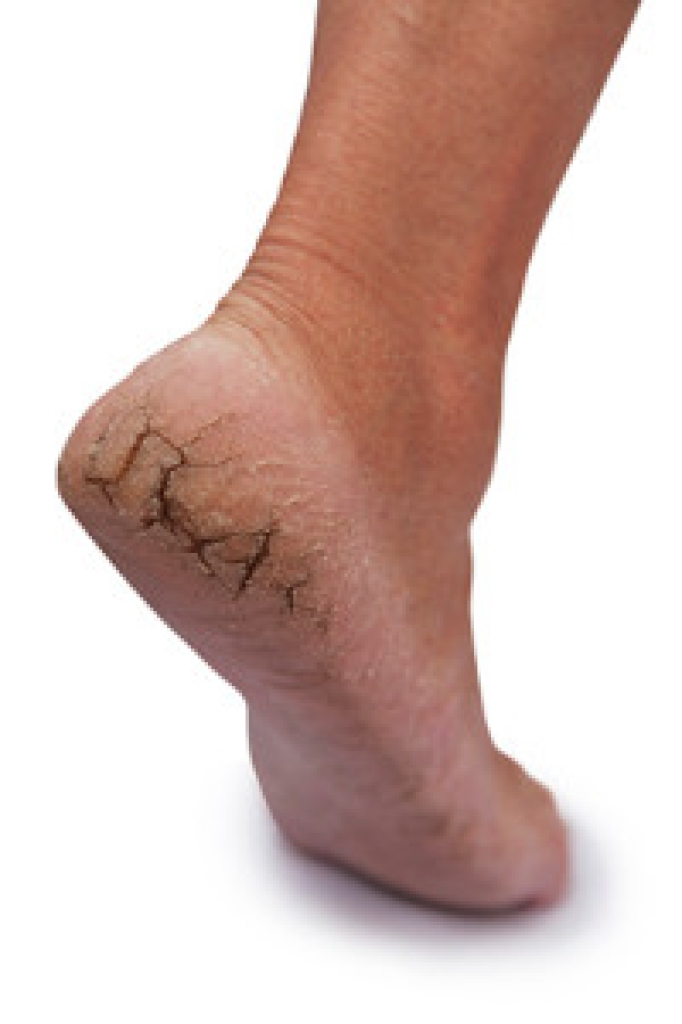
Patients who suffer from the unsightly condition that is known as cracked heels may be familiar with the pain and discomfort, which may be associated with this ailment. It is defined as deep cracks, which may also be known as fissures, which form on the heel of the foot. It may originate from wearing shoes that have open backs, which do not provide adequate support the heels need, in addition to having medical conditions such as obesity, psoriasis, or dermatitis. Research has shown that patients who experience underactive thyroid imbalances may develop cracked heels. This may be a result of sweat glands, located in the feet, being under regulated, and can possibly cause the skin to become excessively dry. If you have developed cracked heels, it is strongly advised to consult with a podiatrist who can determine the cause of this condition and guide you to begin correct treatment.

If the skin on your feet starts to crack, you may want to see a podiatrist to find treatment. If you have any concerns, contact Dr. David Ungar from Personal Foot Care. Our doctor can provide the care you need to keep you pain-free and on your feet.

Cracked Heels

It is important to moisturize your cracked heels in order to prevent pain, bleeding, and infection. The reason cracked heels form is because the skin on the foot is too dry to support the immense pressure placed on them. When the foot expands, the dry skin on the foot begins to split.

Ways to Help Heal Them

  • Invest in a good foot cream
  • Try Using Petroleum Jelly
  • Ease up on Soaps
  • Drink Plenty of Water

Ways to Prevent Cracked Heels

  • Moisturize After Showering
  • Skip a Shower
  • Keep Shower Water Lukewarm
  • Don’t Scrub Your Feet

If you are unsure how to proceed in treating cracked heels, seek guidance from a podiatrist. Your doctor will help you with any questions or information you may need. 

If you have any questions, please feel free to contact our office located in Farmington, MI . We offer the newest diagnostic and treatment technologies for all your foot care needs.

Read more about Solutions for Cracked Heels

What Is Podiatric Medicine?

People who pursue a career in podiatry are interested in the diagnosis and treatment of foot disorders, which may originate from disease or injury. They are qualified to perform surgery, prescribe medication, and are educated in state-of-the-art procedures. Many podiatrists are trained to notice other health issues as a result of specific foot conditions that may be present. After several years of school are completed, and a Doctor of Podiatric Medicine (D.P.M.) degree is obtained, a choice will be made to practice in group or private practice, in addition to exploring the possibility of teaching in schools of nursing and medicine. If you would like additional information about the benefits of practicing podiatric medicine, speak with a podiatrist.

If you are dealing with pain in your feet and ankles, you may want to seek help from a podiatrist. Feel free to contact Dr. David Ungar from Personal Foot Care. Our doctor can provide the care you need to keep you pain-free and on your feet.

What Is a Podiatrist?

A podiatrist diagnoses and treats conditions of the foot, ankle, and related structures of the leg. Your podiatrist may specialize in a certain field such as sports medicine, wound care, pediatrics, and diabetic care. Podiatrists have the ability to become board certified through training, clinical experience, and then taking an exam.

What Do Podiatrists Do?

On a daily basis, a podiatrist may perform the following activities:

  • Diagnose foot ailments such as ulcers, tumors, fractures, etc.
  • Use innovative methods to treat conditions
  • Use corrective orthotics, casts, and strappings to correct deformities
  • Correct walking patterns and balance
  • Provide individual consultations to patients

It is very important that you take care of your feet. It’s easy to take having healthy feet for granted, however foot problems tend to be among the most common health conditions. Podiatrists can help diagnose and treat a variety of feet related conditions, so it is crucial that you visit one if you need assistance.

If you have any questions, please feel free to contact our office located in Farmington, MI . We offer the newest diagnostic and treatment technologies for all your foot care needs.

Read more about What is a Podiatrist?

Are Broken Toes a Serious Condition?

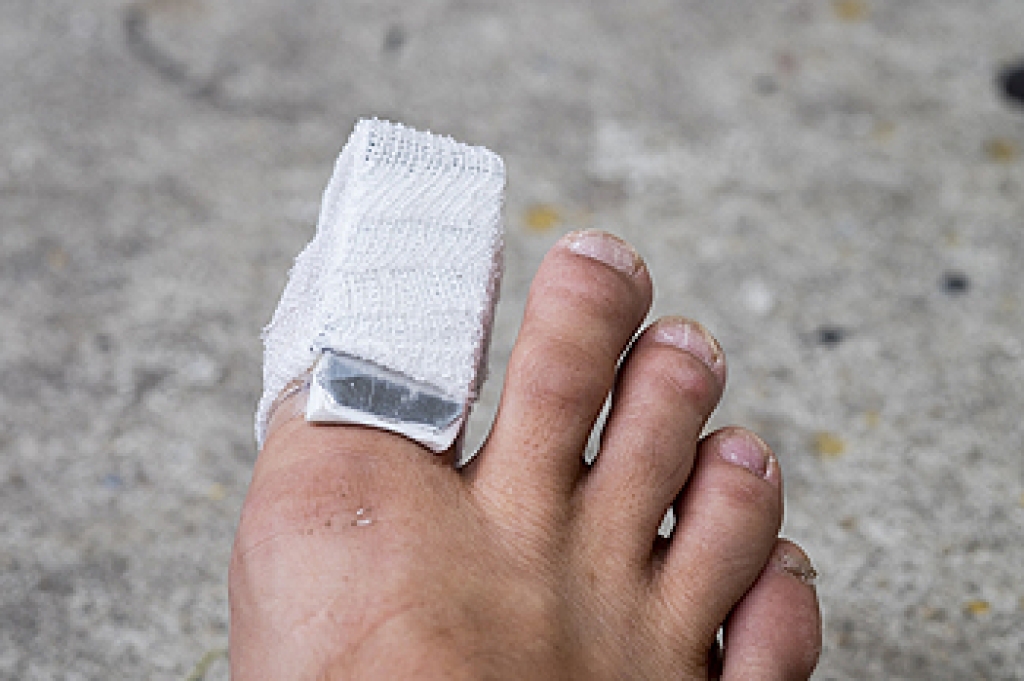
The bones in the toe are known to be fragile, and may easily break if a foot injury occurs, or if something heavy is dropped on it. A broken toe is serious if the bone is protruding through the skin, which may make an infection likely to occur. There are common symptoms that people may experience if they have broken a toe, including stiffness in the toe and surrounding area, pain, swelling, or bruising that may gradually disappear. If something heavy was dropped on the toe, the nail bed may become bruised as a result of the injury, which will diminish as the nail grows. It may be beneficial to demonstrate care in performing specific daily activities including walking and jogging until the toe is completely healed, which may take up to six weeks. If you have broken your toe, please consult with a podiatrist to learn about correct treatment options.

Broken toes may cause a lot of pain and should be treated as soon as possible. If you have any concerns about your feet, contact Dr. David Ungar from Personal Foot Care. Our doctor will treat your foot and ankle needs.

What Is a Broken Toe?

A broken toe occurs when one or more of the toe bones of the foot are broken after an injury. Injuries such as stubbing your toe or dropping a heavy object on it may cause a toe fracture.

Symptoms of a Broken Toe

  • Swelling
  • Pain (with/without wearing shoes)
  • Stiffness
  • Nail Injury

Although the injured toe should be monitored daily, it is especially important to have a podiatrist look at your toe if you have severe symptoms. Some of these symptoms include worsening or new pain that is not relieved with medication, sores, redness, or open wounds near the toe.

If you have any questions please feel free to contact our office located in Farmington, MI . We offer the newest diagnostic tools and technology to treat your foot and ankle needs.

Read more about What to Know About a Broken Toe

Connect With Us

DAVID UNGAR