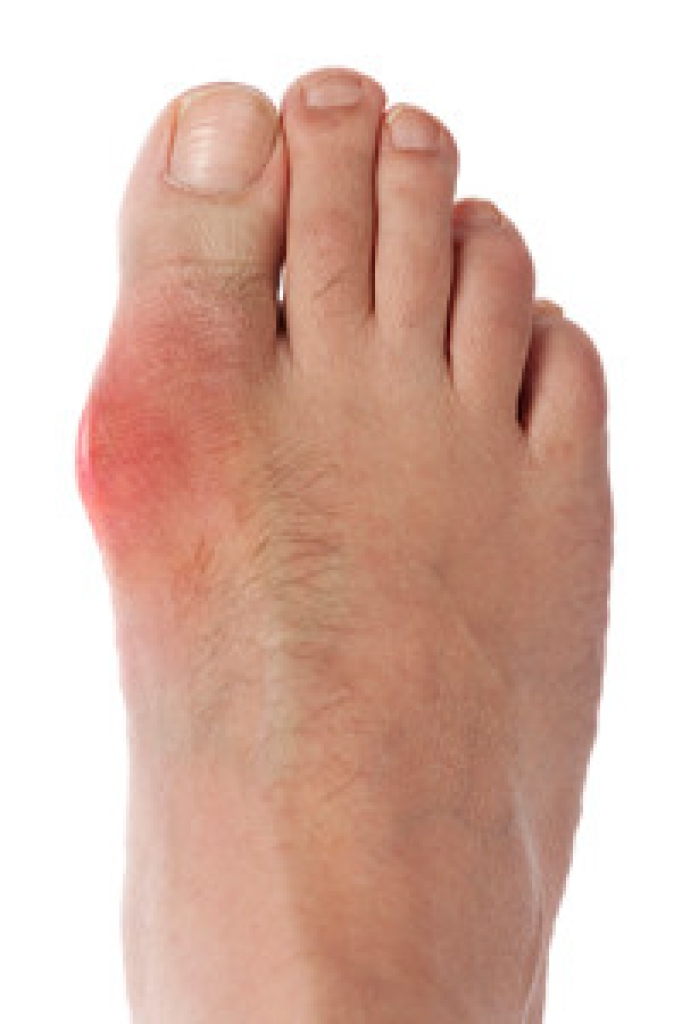
How Does A Gout Attack Happen?

If you feel severe pain in your toe and it looks swollen and red, you may have a condition referred to as gout. This ailment is triggered by a buildup of uric acid in the blood, causing small crystals to form and lodge in the joints of the big toe. This tends to result in inflammation, and it can cause severe pain. The symptoms may be erratic and can last for a few days before disappearing for long periods of time. Recent research suggests that causes of this condition may include a diet consisting of excess red meat, shellfish, and large amounts of alcohol, in addition to experiencing poor kidney function. Contributing factors for this ailment may include having high blood pressure and being overweight. If you experience a gout attack, please schedule a consultation with a podiatrist for additional information and correct treatment options.

Gout is a foot condition that requires certain treatment and care. If you are seeking treatment, contact Dr. David Ungar from Personal Foot Care. Our doctor will treat your foot and ankle needs.

What Is Gout?

Gout is a type of arthritis caused by a buildup of uric acid in the bloodstream. It often develops in the foot, especially the big toe area, although it can manifest in other parts of the body as well. Gout can make walking and standing very painful and is especially common in diabetics and the obese.

People typically get gout because of a poor diet. Genetic predisposition is also a factor. The children of parents who have had gout frequently have a chance of developing it themselves.

Gout can easily be identified by redness and inflammation of the big toe and the surrounding areas of the foot. Other symptoms include extreme fatigue, joint pain, and running high fevers. Sometimes corticosteroid drugs can be prescribed to treat gout, but the best way to combat this disease is to get more exercise and eat a better diet.

If you have any questions, please feel free to contact our office located in Farmington, MI . We offer the newest diagnostic and treatment technologies for all your foot care needs.
Read more about Everything You Need to Know About Gout

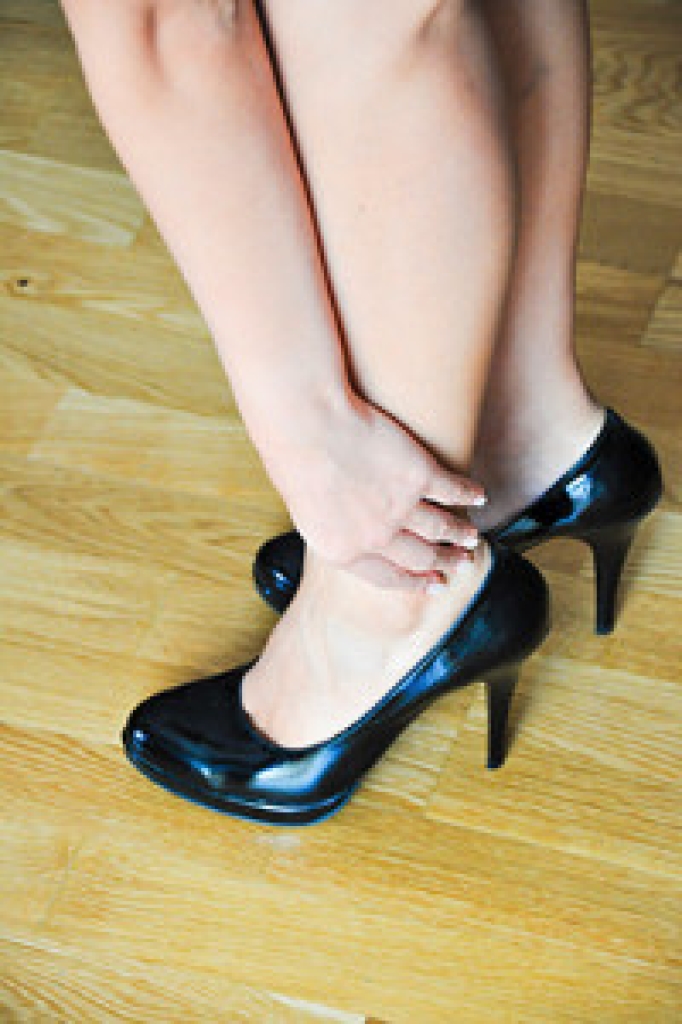
How High Heels Affect Runners’ Feet

If you choose to wear high heels frequently, you may experience pain that’s common among those selecting to wear this type of shoe. Typically, when high heels are worn, the ankles bend forward, often affecting the circulation in the feet. Most runners are aware of how the arches are affected from wearing high heels and may experience aches and pains in the calves. There are several options available that may help the feet feel their best while running, one of which is limiting the time high heels are worn. It’s important to rest your feet between runs, and this is often accomplished by wearing supportive shoes. Performing proper exercises that stretch and strengthen the feet is beneficial in keeping the feet healthy and may allow the sport of running to be enjoyed to its full potential.

High heels have a history of causing foot and ankle problems. If you have any concerns about your feet or ankles, contact Dr. David Ungar from Personal Foot Care. Our doctor can provide the care you need to keep you pain-free and on your feet.

Effects of High Heels on the Feet

High heels are popular shoes among women because of their many styles and societal appeal.  Despite this, high heels can still cause many health problems if worn too frequently.

Which Parts of My Body Will Be Affected by High Heels?

  • Ankle Joints
  • Achilles Tendon – May shorten and stiffen with prolonged wear
  • Balls of the Feet
  • Knees – Heels cause the knees to bend constantly, creating stress on them
  • Back – They decrease the spine’s ability to absorb shock, which may lead to back pain.  The vertebrae of the lower back may compress.

What Kinds of Foot Problems Can Develop from Wearing High Heels?

  • Corns
  • Calluses
  • Hammertoe
  • Bunions
  • Morton’s Neuroma
  • Plantar Fasciitis

How Can I Still Wear High Heels and Maintain Foot Health?

If you want to wear high heeled shoes, make sure that you are not wearing them every day, as this will help prevent long term physical problems.  Try wearing thicker heels as opposed to stilettos to distribute weight more evenly across the feet.  Always make sure you are wearing the proper shoes for the right occasion, such as sneakers for exercising.  If you walk to work, try carrying your heels with you and changing into them once you arrive at work.  Adding inserts to your heels can help cushion your feet and absorb shock. Full foot inserts or metatarsal pads are available. 

If you have any questions, please feel free to contact our office located in Farmington, MI . We offer the newest diagnostic and treatment technologies for all your foot care needs.
Read more about Effect of High Heels on the Feet

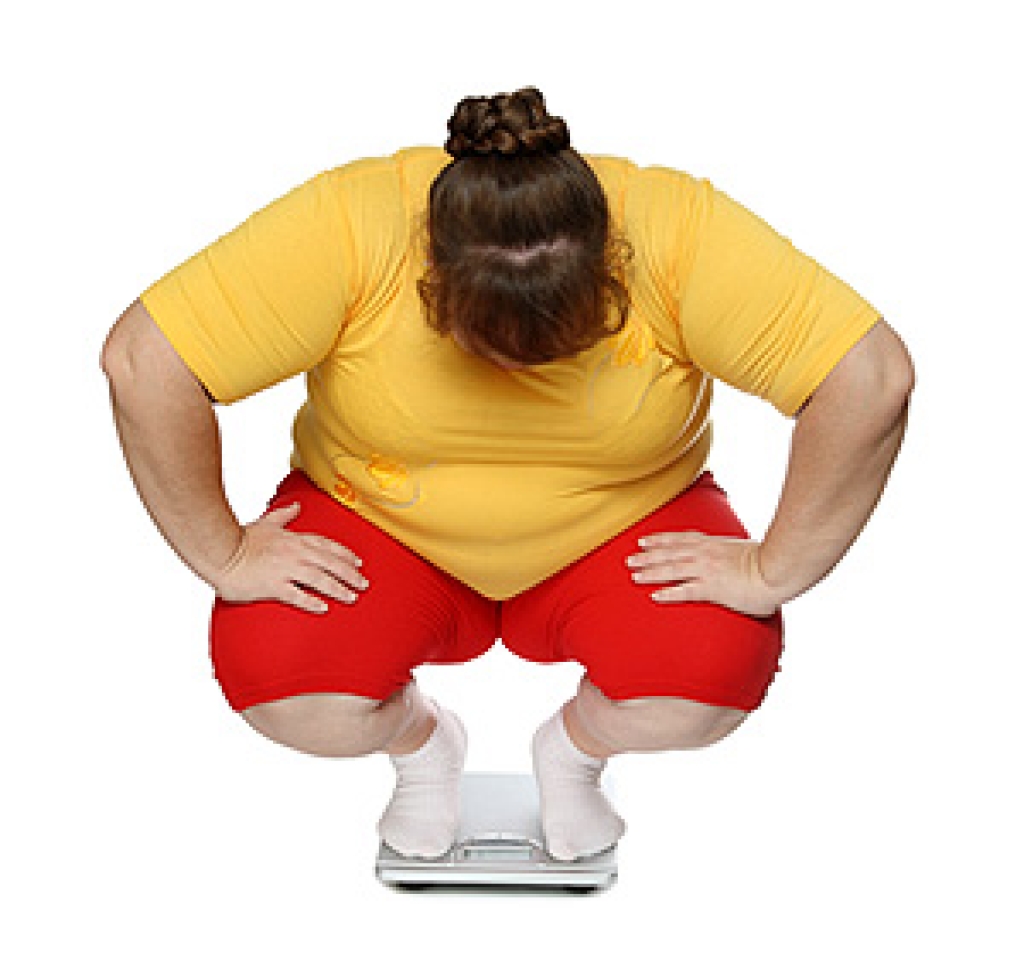
Is There A Connection Between Obesity and Foot Problems?

Recent research has shown that a strong connection exists between conditions concerning the feet and obesity. The feet and ankles experience excessive stress from bearing the body’s additional weight, and concerns such as arthritis and heel pain can be commonplace. The tendons and ligaments may also be affected, and this may possibly cause the desire to exercise to gradually diminish as the weight increases. When foot pain exists, mobility may lessen, and this is often a result of the added pressure the bones of the foot must endure. Being obese may cause a multitude of foot issues, including fallen arches, gout, and tendonitis. If you are affected by this condition, wearing the correct shoes may aid in maintaining comfort. These may include choosing shoes that are wide enough and have ample support, in addition to having proper flexibility and cushioning. It’s advised to schedule a consultation with a podiatrist if you are affected by obesity and have foot or ankle pain.

Obesity has become very problematic at this point in time and can have extremely negative effects on the feet. If you’re an obese individual and are concerned about your feet, contact Dr. David Ungar from Personal Foot Care. Our doctor can provide the care you need to keep you pain-free and on your feet.

Obesity and Your Feet

Since your feet are what support your entire weight when standing, any additional weight can result in pain and swelling. Being overweight is one of the main contributors to foot complications.

Problems & Complications

Extra Weight – Even putting on just a few extra pounds could create serious complications for your feet. As your weight increases, your balance and body will shift, creating new stresses on your feet. This uneven weight distribution can cause pain, even while doing the simplest tasks, such as walking.

Diabetes – People who are overweight are at serious risk of developing type-2 diabetes, which has a drastic impact on the health of your feet. As you get older, your diabetes might worsen, which could lead to loss of feeling in your feet, sores, and bruises. You could also become more prone to various infections.

Plantar fasciitis – Pressure and stress that is placed on muscles, joints, and tendons can trigger plantar fasciitis, which is an inflammation of tissue that forms along the bottom of the foot. 

If you have any questions, please feel free to contact our office located in Farmington, MI . We offer the newest diagnostic and treatment technologies for all your foot care needs.

Read more about How Obesity Affects Your Feet

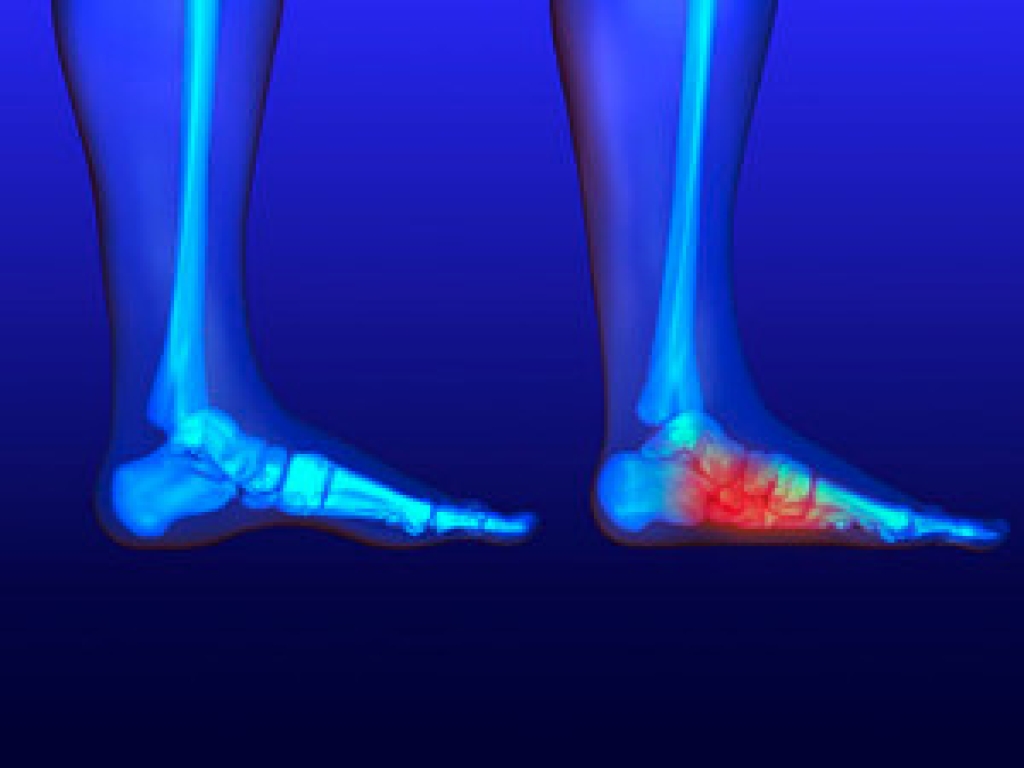
What Are Flat Feet?

Flat feet is a common foot condition where young people typically have no painful symptoms, but may develop as they age. Flat feet may also be referred to as fallen arches, and commonly develop due to an inherited gene. The arch in the foot is not present or minimal, which causes the foot to lie flat against the floor while standing. The foot is comprised of 26 bones, in addition to numerous muscles and tendons. While walking, gravity from the weight of the body may cause pressure, often resulting in muscle imbalance, which may affect the arch of the foot. Age may also play a role in developing flat feet because the tendons surrounding the ankles may weaken, possibly causing the arches to fall. If you experience this condition, there are stretching exercises that can be performed to aid in preventing future foot issues from occurring. Please consider a consultation with a podiatrist if any pain is experienced for a proper diagnosis and treatment.

Flatfoot is a condition many people suffer from. If you have flat feet, contact Dr. David Ungar from Personal Foot Care. Our doctor will treat your foot and ankle needs.

What Are Flat Feet?

Flatfoot is a condition in which the arch of the foot is depressed and the sole of the foot is almost completely in contact with the ground. About 20-30% of the population generally has flat feet because their arches never formed during growth.

Conditions & Problems:

Having flat feet makes it difficult to run or walk because of the stress placed on the ankles.

Alignment – The general alignment of your legs can be disrupted, because the ankles move inward which can cause major discomfort.

Knees – If you have complications with your knees, flat feet can be a contributor to arthritis in that area.  

Symptoms

  • Pain around the heel or arch area
  • Trouble standing on the tip toe
  • Swelling around the inside of the ankle
  • Flat look to one or both feet
  • Having your shoes feel uneven when worn

Treatment

If you are experiencing pain and stress on the foot you may weaken the posterior tibial tendon, which runs around the inside of the ankle. 

If you have any questions, please feel free to contact our office located in Farmington, MI . We offer the newest diagnostic and treatment technologies for all your foot care needs.

Read more about Flat Feet

How To Teach Children About Proper Foot Care

Your child may begin to walk at about 12 months of age. Recent research has shown that it’s beneficial to walk barefoot as much as possible, which may help strengthen the foot muscles. It’s important to measure the feet every few months in the early years to ensure a proper fit while choosing shoes. As your child gets older, common ailments that can occur may include athlete’s foot, ingrown toenails, and plantar warts. It’s crucial to maintain daily foot care, which includes washing the feet in lukewarm water and drying thoroughly between the toes. Additionally, complaints about heel pain can be a common occurrence, typically resulting from playing sports. If the pain becomes severe, a consultation with a podiatrist may be suggested to alleviate any discomfort and to learn about possible treatment options.

Making sure that your children maintain good foot health is very important as they grow. If you have any questions, contact Dr. David Ungar of Personal Foot Care. Our doctor can provide the care you need to keep you pain-free and on your feet.

Keeping Children's Feet Healthy

Having healthy feet during childhood can help prevent medical problems later in life, namely in the back and legs. As children grow, their feet require different types of care. Here are some things to consider...

Although babies do not walk yet, it is still very important to take care of their feet.

Avoid putting tight shoes or socks on his or her feet.

Allow the baby to stretch and kick his or her feet to feel comfortable.

As a toddler, kids are now on the move and begin to develop differently. At this age, toddlers are getting a feel for walking, so don’t be alarmed if your toddler is unsteady or ‘walks funny’. 

As your child gets older, it is important to teach them how to take care of their feet.

Show them proper hygiene to prevent infections such as fungus.

Be watchful for any pain or injury.

Have all injuries checked by a doctor as soon as possible.

Comfortable, protective shoes should always be worn, especially at play.

If you have any questions, please feel free to contact our office located in Farmington, MI . We offer the newest diagnostic and treatment technologies for all your foot care needs.

Read more about What to Do to Keep Your Child’s Feet Healthy

Connect With Us

DAVID UNGAR