
Do you suffer from heel pain when you get up in the morning? If so, you should seek professional help and have a proper diagnosis performed. Heel pain can be caused by several different foot-related conditions.
Do you suffer from heel pain when you get up in the morning? If so, you should seek professional help and have a proper diagnosis performed. Heel pain can be caused by several different foot-related conditions.

Rare foot conditions can cause unusual pain, stiffness, or changes in the structure of the feet. One example is a complex regional pain syndrome. It often begins after an injury and can cause persistent burning pain, swelling, and skin changes. Symptoms may make it difficult to move the affected foot comfortably. Another rare condition is tarsal coalition, which occurs when two bones in the foot are connected where a movable joint would normally be present. Although people are born with this condition, pain may not appear until later in life.
Tarsal coalition can make the foot stiff and more likely to experience sprains or other injuries. Reduced movement may also place greater stress on nearby joints and contribute to early osteoarthritis. Another uncommon problem is Bessel-Hagen disease. This inherited condition causes abnormal bony growths that can affect the feet and other areas of the body. Some growths cause no discomfort, while others can become painful if they press against nerves or interfere with normal movement. These rare foot conditions can affect mobility in different ways, making an accurate diagnosis important.
A podiatrist can evaluate unexplained foot pain and determine whether a rare foot disorder may be contributing to the symptoms. Medical imaging may be used to identify conditions such as tarsal coalition. Depending on the diagnosis, professional treatment may include foot orthotics or other approaches designed to improve function. Surgery may be considered in certain cases when a condition seriously limits foot mobility. Some rare foot diseases may produce few noticeable symptoms, which can make professional assessment especially valuable when unexplained problems continue. A podiatrist can determine the source of discomfort and develop a treatment plan based on the specific condition. If unexplained foot pain, stiffness, or structural changes are affecting your comfort or mobility, it is suggested that you consult a podiatrist for an evaluation and appropriate treatment options.
Some foot conditions may require additional professional care. If you have any concerns, contact Dr. David Ungar of Personal Foot Care. Our doctor can provide the care you need to keep you pain-free and on your feet.
Rare Foot Conditions
The majority of foot conditions are common and can be treated by a podiatrist. Standard diagnostic procedures are generally used to identify specific conditions and treatment can be rendered. A podiatrist also treats rare foot conditions which can be difficult to diagnose and may need extra attention and care.
There are many rare foot conditions that can affect children. Some of these can include:
Freiberg’s disease - This can be seen as a deterioration and flattening of a metatarsal bone that exists in the ball of the foot. It typically affects pre-teen and teenage girls, but can affect anyone at any age. Symptoms that can accompany this can be swelling, stiffness, and the patient may limp.
Kohler’s disease - This often targets the bone in the arch of the foot and affects younger boys. It can lead to an interruption of the blood supply which ultimately can lead to bone deterioration. The patient may limp or experience tenderness, swelling, and redness.
Maffucci syndrome - This affects the long bones in a child’s foot leading to the development of abnormal bone lesions. They are benign growths and typically develop in early childhood and the bones may be susceptible to breaking.
A podiatrist can properly diagnose and treat all types of rare foot conditions. If your child is affected by any of these symptoms or conditions, please don’t hesitate to call our office so the correct treatment method can begin.
If you have any questions, please feel free to contact our office located in Farmington, MI . We offer the newest diagnostic and treatment technologies for all your foot care needs.
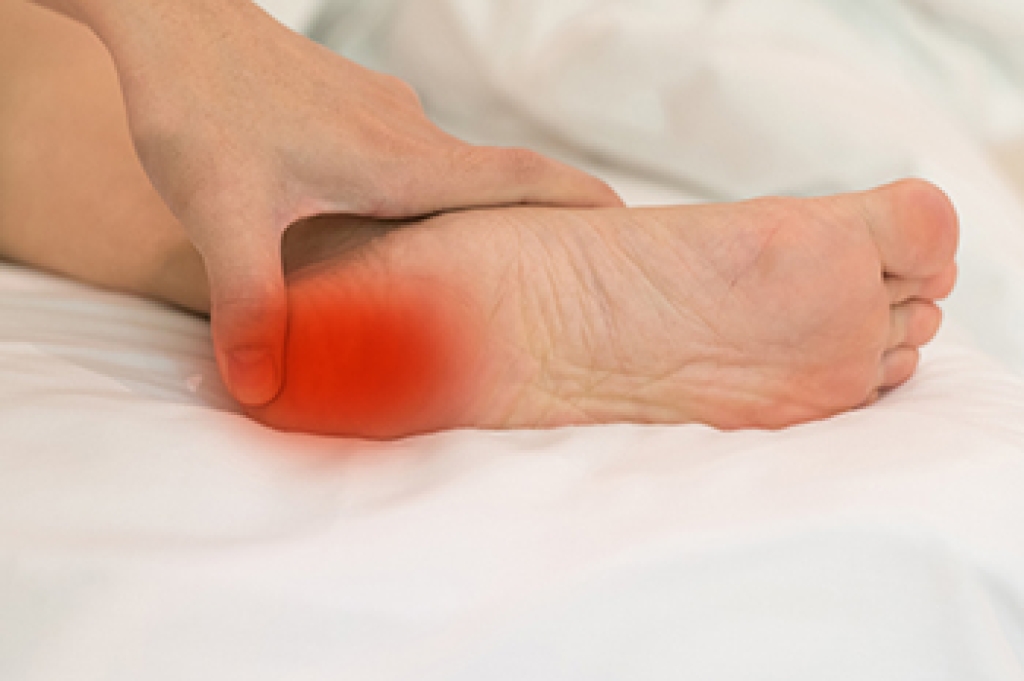
Heel pain can make standing, walking, and everyday activities uncomfortable. Pain may occur underneath the heel, along the sides, or at the back where the Achilles tendon connects to the heel bone. Symptoms can range from a sharp or stabbing sensation to aching, or throbbing discomfort. Some people experience worse pain with their first steps in the morning or after sitting for an extended period of time. Swelling, stiffness, and difficulty putting weight on the foot may also develop.
Plantar fasciitis is one of the most common causes of heel pain. It develops when the plantar fascia, a strong band of tissue supporting the bottom of the foot, becomes irritated from repeated stress. Achilles tendon problems can cause pain and stiffness at the back of the heel, particularly after physical activity. Other possible causes include heel spurs, foot or ankle injuries, or wearing poorly fitting shoes. Additionally, sudden increases in exercise, prolonged standing, and walking on hard surfaces can place additional strain on the heel.
Several factors can increase the risk of heel pain. Age may contribute as tissues become less flexible and natural cushioning decreases. Running, jumping, and other high-impact activities can create repetitive stress. Excess weight can increase pressure on the heels during standing and walking. People who work on their feet for long periods may also experience greater strain. Morning heel pain is commonly associated with plantar fasciitis, while pain and stiffness behind the heel may indicate an Achilles tendon problem.
Identifying the cause of heel pain is important because treatment depends on the underlying condition. A podiatrist can examine your foot, assess walking mechanics, and determine whether imaging is needed. Treatment may include wearing supportive footwear, orthotics, and stretching. If heel pain affects your daily activities, it is suggested that you consult a podiatrist for an accurate diagnosis and appropriate treatment.
Many people suffer from bouts of heel pain. For more information, contact Dr. David Ungar of Personal Foot Care. Our doctor can provide the care you need to keep you pain-free and on your feet.
Causes of Heel Pain
Heel pain is often associated with plantar fasciitis. The plantar fascia is a band of tissues that extends along the bottom of the foot. A rip or tear in this ligament can cause inflammation of the tissue.
Achilles tendonitis is another cause of heel pain. Inflammation of the Achilles tendon will cause pain from fractures and muscle tearing. Lack of flexibility is also another symptom.
Heel spurs are another cause of pain. When the tissues of the plantar fascia undergo a great deal of stress, it can lead to ligament separation from the heel bone, causing heel spurs.
Why Might Heel Pain Occur?
Treatments
Heel pain should be treated as soon as possible for immediate results. Keeping your feet in a stress-free environment will help. If you suffer from Achilles tendonitis or plantar fasciitis, applying ice will reduce the swelling. Stretching before an exercise like running will help the muscles. Using all these tips will help make heel pain a condition of the past.
If you have any questions, please feel free to contact our office located in Farmington, MI . We offer the newest diagnostic and treatment technologies for all your foot care needs.
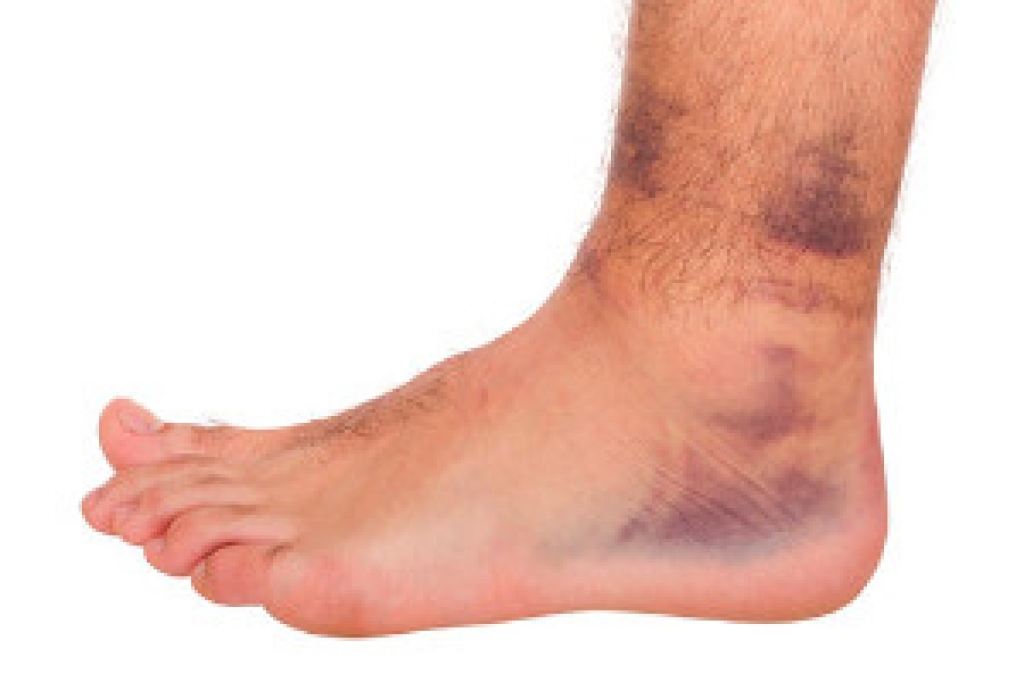
An injury that causes pain, swelling, and difficulty moving may be an ankle sprain or a fracture. A sprain occurs when the ligaments are stretched or torn. These strong bands of tissue connect bones and help keep the ankle stable. A fracture is a crack or break in an ankle bone. Either injury can result from a fall, sudden twist, or hard impact. Since an accident can damage both bones and ligaments, symptoms alone may not identify the injury.
Sprains and fractures can both cause pain, bruising, and swelling. Pain from a sprain is usually centered in the softer tissue around the joint, while fracture pain can be strongest directly over a bone. A cracking sound, unusual angle, or exposed bone can indicate a fracture. Some patients with a sprain can put weight on the ankle, but walking can be painful. A fracture can make standing or walking impossible. However, the ability to move the ankle or bear weight does not rule out a broken bone. Because these signs can overlap, a professional examination is important. An injury that is not treated correctly can lead to lasting pain, weakness, or ankle instability.
A podiatrist asks how the injury happened, examines the painful area, and checks the ankle’s movement. X-rays can show most fractures and reveal whether the bones remain properly aligned. Other imaging tests may be needed to diagnose a sprain and determine the extent of ligament damage. Treatment depends on the location and severity of the injury. A podiatrist can stabilize the ankle with a brace, splint, or cast. Severe fractures can require surgery to restore the position of the bones. A major ligament tear can also require surgery when the ankle remains unstable. Follow-up visits allow the podiatrist to monitor healing and adjust the treatment plan. If you have injured your ankle, it is suggested that you schedule an appointment with a podiatrist for a diagnosis and appropriate treatment.
Ankle pain can be caused by a number of problems and may be potentially serious. If you have ankle pain, consult with Dr. David Ungar from Personal Foot Care. Our doctor will assess your condition and provide you with quality foot and ankle treatment.
Ankle pain is any condition that causes pain in the ankle. Due to the fact that the ankle consists of tendons, muscles, bones, and ligaments, ankle pain can come from a number of different conditions.
Causes
The most common causes of ankle pain include:
Symptoms
Symptoms of ankle injury vary based upon the condition. Pain may include general pain and discomfort, swelling, aching, redness, bruising, burning or stabbing sensations, and/or loss of sensation.
Diagnosis
Due to the wide variety of potential causes of ankle pain, podiatrists will utilize a number of different methods to properly diagnose ankle pain. This can include asking for personal and family medical histories and of any recent injuries. Further diagnosis may include sensation tests, a physical examination, and potentially x-rays or other imaging tests.
Treatment
Just as the range of causes varies widely, so do treatments. Some more common treatments are rest, ice packs, keeping pressure off the foot, orthotics and braces, medication for inflammation and pain, and surgery.
If you have any questions please feel free to contact our office located in Farmington, MI . We offer the newest diagnostic tools and technology to treat your foot and ankle needs.
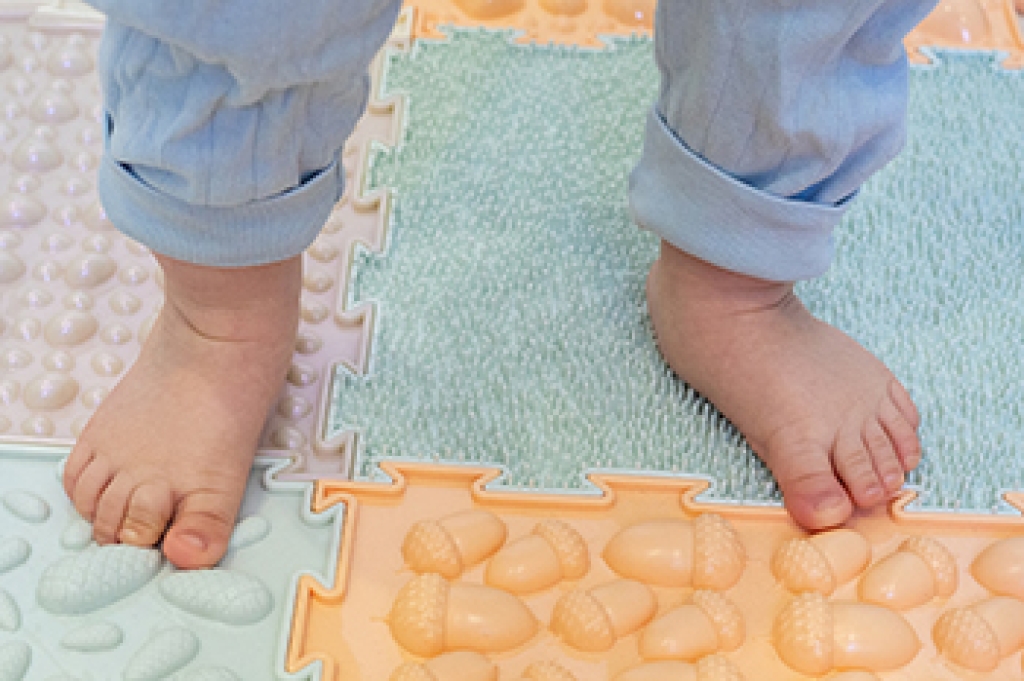
A toddler’s flat feet can worry parents, especially when their footprints show little or no arch. In many cases, a toddler’s feet still contain soft tissue that hides the arch while the bones, muscles, and ligaments continue to develop. Ligaments are strong bands of tissue that support the joints. As children grow, the arch becomes easier to see. Even so, some toddlers develop symptoms that deserve professional attention. Warning signs include foot pain, frequent tripping, or difficulty keeping up with other children. Some toddlers also show uneven shoe wear or seem tired after short periods of play. A podiatrist can determine whether flat feet are part of normal development or whether another condition is affecting the way the feet function.
A podiatrist begins with a thorough medical history and a careful examination while the child is sitting, standing, and walking. Watching a toddler walk helps reveal whether the foot remains flexible or appears stiff. The podiatrist also checks foot alignment, ankle movement, and the position of the heel. Parents can describe pain, changes in activity, or repeated ankle sprains that help guide the evaluation. Imaging, like an X-ray, is not necessary for every child. It is used when pain is unusual, movement is limited, or the podiatrist suspects an underlying bone problem. This careful approach helps identify toddlers who need closer monitoring and those who could benefit from further treatment.
Most toddlers with flexible flat feet do not require surgery. However, children with ongoing pain, reduced function, or a rigid foot shape benefit from prompt evaluation. A podiatrist can recommend supportive shoes or inserts, monitor changes in foot development, and determine whether additional testing is needed. If surgery becomes necessary, it is reserved for carefully selected cases after a thorough examination and accompanying imaging studies. The goal is to improve foot function, relieve pain, and support healthy growth. If your child has problems related to flat feet, it is suggested that you schedule an appointment with a podiatrist for a diagnosis and appropriate treatment.
Flatfoot is a condition many people suffer from. If you have flat feet, contact Dr. David Ungar from Personal Foot Care. Our doctor will treat your foot and ankle needs.
What Are Flat Feet?
Flatfoot is a condition in which the arch of the foot is depressed and the sole of the foot is almost completely in contact with the ground. About 20-30% of the population generally has flat feet because their arches never formed during growth.
Conditions & Problems:
Having flat feet makes it difficult to run or walk because of the stress placed on the ankles.
Alignment – The general alignment of your legs can be disrupted, because the ankles move inward which can cause major discomfort.
Knees – If you have complications with your knees, flat feet can be a contributor to arthritis in that area.
Symptoms
Treatment
If you are experiencing pain and stress on the foot you may weaken the posterior tibial tendon, which runs around the inside of the ankle.
If you have any questions, please feel free to contact our office located in Farmington, MI . We offer the newest diagnostic and treatment technologies for all your foot care needs.
Connect With Us

