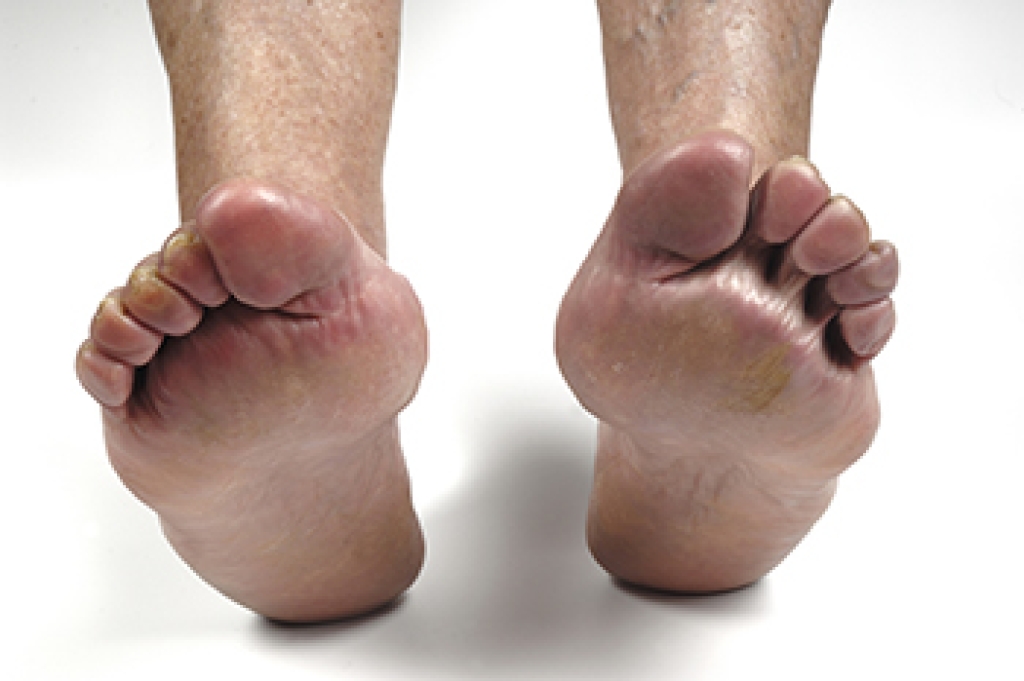
How Rheumatoid Arthritis Affects the Feet

Rheumatoid arthritis is a long-term autoimmune disease that can strongly affect the feet and ankles. An autoimmune disease means the immune system, which normally protects the body, mistakenly attacks healthy joint tissue. In rheumatoid arthritis, this attack causes inflammation in the thin lining inside joints. As swelling continues, joints in the toes, mid-foot, and ankles may become painful, stiff, and unstable. People may notice warmth, redness, or difficulty walking, especially in the morning. Over time, the condition can change foot shape, leading to deformities such as drifting toes or flattened arches. Tendons, which are strong bands that help move the foot, may also weaken. Because symptoms can develop slowly and resemble other problems, proper diagnosis is important. A podiatrist can perform a detailed exam, review imaging or blood test results, and develop a care plan to protect joint function and mobility. If you are experiencing foot pain, it is suggested that you make an appointment with a podiatrist for an exam, diagnosis, and treatment.

Because RA affects more than just your joints, including the joints in your feet and ankles, it is important to seek early diagnosis from your podiatrist if you feel like the pain in your feet might be caused by RA. For more information, contact Dr. David Ungar of Personal Foot Care. Our doctor will assist you with all of your podiatric concerns.

What Is Rheumatoid Arthritis?

Rheumatoid Arthritis (RA) is an autoimmune disorder in which the body’s own immune system attacks the membranes surrounding the joints. Inflammation of the lining and eventually the destruction of the joint’s cartilage and bone occur, causing severe pain and immobility.

Rheumatoid Arthritis of the Feet

Although RA usually attacks multiple bones and joints throughout the entire body, almost 90 percent of cases result in pain in the foot or ankle area.

Symptoms

  • Swelling and pain in the feet
  • Stiffness in the feet
  • Pain on the ball or sole of feet
  • Joint shift and deformation

Diagnosis

Quick diagnosis of RA in the feet is important so that the podiatrist can treat the area effectively. Your doctor will ask you about your medical history, occupation, and lifestyle to determine the origin of the condition. Rheumatoid Factor tests help to determine if someone is affected by the disease.

If you have any questions, please feel free to contact our office located in Farmington, MI . We offer the newest diagnostic and treatment technologies for all your foot care needs.

Read more about Rheumatoid Arthritis in the Feet

Common Foot and Leg Problems in Children

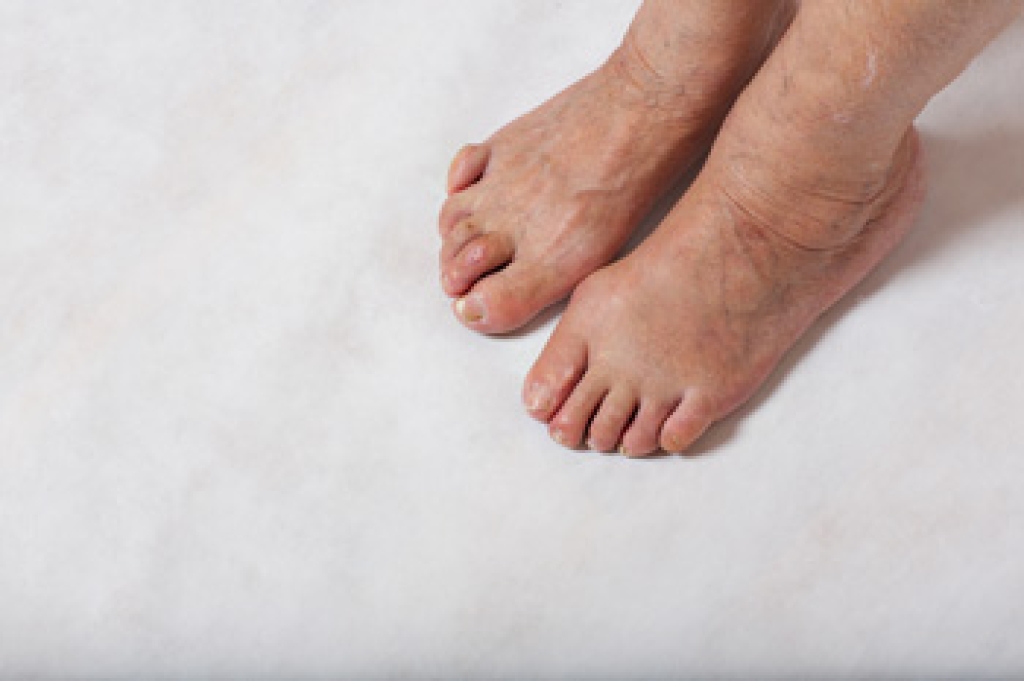
Foot and leg problems in children can appear during early growth as bones, muscles, and joints develop. Bow legs describe a condition in which the legs curve outward when the feet remain together. Knock knees occur when the knees angle inward and touch while the ankles remain apart. In-toeing refers to a walking pattern in which the feet turn inward during movement. Additionally, tiptoe walking occurs when a child walks primarily on the front part of the feet rather than the heels. Wearing proper footwear is important during development, and first shoes should provide support with secure laces or Velcro closures. A podiatrist can evaluate growth patterns and guide treatment. If concerns about walking or foot development arise, it is suggested that you consult a podiatrist who can treat various foot conditions, and help you to monitor your child’s foot health.

Making sure that your children maintain good foot health is very important as they grow. If you have any questions, contact Dr. David Ungar of Personal Foot Care. Our doctor can provide the care you need to keep you pain-free and on your feet.

Keeping Children's Feet Healthy

Having healthy feet during childhood can help prevent medical problems later in life, namely in the back and legs. As children grow, their feet require different types of care. Here are some things to consider...

Although babies do not walk yet, it is still very important to take care of their feet.

Avoid putting tight shoes or socks on his or her feet.

Allow the baby to stretch and kick his or her feet to feel comfortable.

As a toddler, kids are now on the move and begin to develop differently. At this age, toddlers are getting a feel for walking, so don’t be alarmed if your toddler is unsteady or ‘walks funny’. 

As your child gets older, it is important to teach them how to take care of their feet.

Show them proper hygiene to prevent infections such as fungus.

Be watchful for any pain or injury.

Have all injuries checked by a doctor as soon as possible.

Comfortable, protective shoes should always be worn, especially at play.

If you have any questions, please feel free to contact our office located in Farmington, MI . We offer the newest diagnostic and treatment technologies for all your foot care needs.
Read more about What to Do to Keep Your Child’s Feet Healthy

Restoring Comfort and Skin Health in Cracked Heels

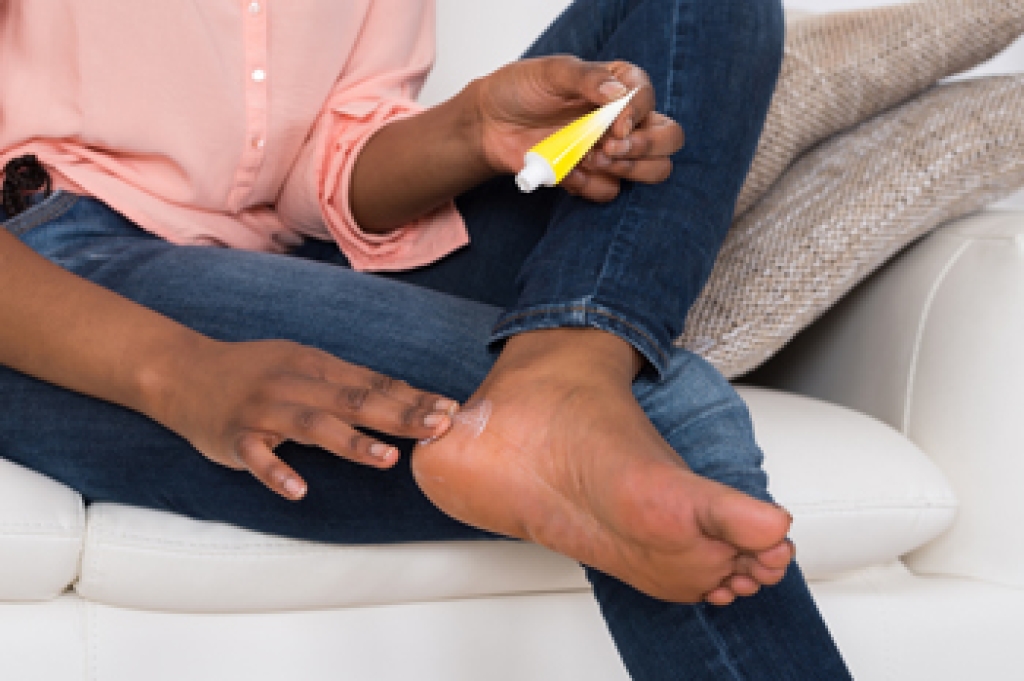
Heel fissures are deep cracks that develop in dry, thickened skin along the back or bottom of the heel. They often form when the skin loses moisture and elasticity. Standing for long periods, wearing open-backed shoes, and having weight-related pressure on the heel can increase risk. In some cases, underlying conditions such as diabetes or thyroid imbalance may contribute to severe dryness. Management begins with gentle removal of thick, built-up skin using professional debridement. Daily application of urea-based or lactic-acid-based moisturizers helps soften and hydrate the area. Wearing closed-heel, supportive footwear reduces pressure and prevents further splitting. In painful cases, protective dressings may be used to promote skin repair. Consistent at-home care is important to prevent recurrence. Ignoring heel cracks can lead to bleeding or infection. If you have painful or deep heel fissures that are not improving, it is suggested that you see a podiatrist for a proper diagnosis and appropriate treatment.

Cracked heels are unsightly and can cause further damage to your shoes and feet. If you have any concerns, contact Dr. David Ungar from Personal Foot Care. Our doctor can provide the care you need to keep you pain-free and on your feet.

Cracked Heels

Cracked heels appear unappealing and can make it harder for you walk around in sandals. Aside from looking unpleasant, cracked heels can also tear stockings, socks, and wear out your shoes. There are several methods to help restore a cracked heel and prevent further damage.

How Do You Get Them?

Dry skin is the number one culprit in creating cracked heels. Many athletes, walkers, joggers, and even swimmers suffer from cracked heels. Age and skin oil production play a role to getting cracked heels as well.

Promote Healing

Over the counter medicines can help, especially for those that need instant relief or who suffer from chronic dry feet.

Wear Socks – Wearing socks with medicated creams helps lock in moisture.

Moisturizers – Applying both day and night will help alleviate dryness which causes cracking.

Pumice Stones – These exfoliate and remove dead skin, which allows for smoother moisturizer application and better absorption into the skin. 

Change in Diet

Eating healthy with a well-balanced diet will give the skin a fresh and radiant look. Your body responds to the kinds of food you ingest. Omega-3 fatty acids and zinc supplements can also revitalize skin tissue.

Most importantly, seek professional help if unsure how to proceed in treating cracked heels. A podiatrist will help you with any questions or information needed. 

If you have any questions, please feel free to contact our office located in Farmington, MI . We offer the newest diagnostic and treatment technologies for all your foot care needs.

Read more about Solutions for Cracked Heels

When a Toe Stays Bent

A hammertoe is a deformity in which one of the smaller toes bends downward at the middle joint, creating a curled or hammer-like appearance. This condition often develops gradually due to muscle imbalance, tight footwear, or structural foot changes like bunions. Over time, the toe may become stiff and difficult to straighten. Patients may notice redness, swelling, or corns forming on the top of the bent joint from rubbing against shoes. The toe can feel sore or irritated, especially when walking or wearing narrow shoe styles. In early stages, the deformity may still be flexible, but without treatment it can become rigid and more painful. A podiatrist begins with a detailed examination to determine whether the hammertoe is flexible or fixed and to identify contributing factors. Treatment may include shoe modifications, padding, custom orthotics, and targeted exercises to improve balance and alignment. In more advanced cases, surgical correction may be considered. If you have a hammertoe, it is suggested that you make an appointment with a podiatrist for proper evaluation and care.

Hammertoe

Hammertoes can be a painful condition to live with. For more information, contact Dr. David Ungar from Personal Foot Care. Our doctor will answer any of your foot- and ankle-related questions.

Hammertoe is a foot deformity that affects the joints of the second, third, fourth, or fifth toes of your feet. It is a painful foot condition in which these toes curl and arch up, which can often lead to pain when wearing footwear.

Symptoms

  • Pain in the affected toes
  • Development of corns or calluses due to friction
  • Inflammation
  • Redness
  • Contracture of the toes

Causes

Genetics – People who are genetically predisposed to hammertoe are often more susceptible

Arthritis – Because arthritis affects the joints in your toes, further deformities stemming from arthritis can occur

Trauma – Direct trauma to the toes could potentially lead to hammertoe

Ill-fitting shoes – Undue pressure on the front of the toes from ill-fitting shoes can potentially lead to the development of hammertoe

Treatment

Orthotics – Custom made inserts can be used to help relieve pressure placed on the toes and therefore relieve some of the pain associated with it

Medications – Oral medications such as anti-inflammatories or NSAIDs could be used to treat the pain and inflammation hammertoes causes. Injections of corticosteroids are also sometimes used

Surgery – In more severe cases where the hammertoes have become more rigid, foot surgery is a potential option

If you have any questions, please feel free to contact our office located in Farmington, MI . We offer the newest diagnostic and treatment technologies for all your foot care needs.

Read more about Hammertoe

Why Live with Pain and Numbness in Your Feet?

Suffering from this type of pain? You may have the foot condition known as Morton's neuroma. Morton's neuroma may develop as a result of ill-fitting footwear and existing foot deformities. We can help.

Understanding the Progression of Gout in the Feet

Gout is a form of inflammatory arthritis that often affects the joints of the feet and progresses through distinct stages. Asymptomatic hyperuricemia occurs when uric acid levels rise, but no pain or swelling is present. Acute gout is marked by sudden flare episodes with intense joint pain, redness, warmth, and swelling, commonly in the big toe. Intercritical or interval gout refers to the symptom-free periods between flares, even though uric acid crystals remain in the joint. Additionally, chronic tophaceous gout develops after years of repeated attacks and involves ongoing pain, joint stiffness, and firm crystal deposits that can damage bone and soft tissue. Early stages may seem manageable, but progression can lead to lasting joint problems. Identifying the stage helps guide appropriate care and long-term management. If foot joint pain or repeated flares occur, it is suggested that you see a podiatrist for appropriate care.

Gout is a foot condition that requires certain treatment and care. If you are seeking treatment, contact Dr. David Ungar from Personal Foot Care. Our doctor will treat your foot and ankle needs.

What Is Gout?

Gout is a type of arthritis caused by a buildup of uric acid in the bloodstream. It often develops in the foot, especially the big toe area, although it can manifest in other parts of the body as well. Gout can make walking and standing very painful and is especially common in diabetics and the obese.

People typically get gout because of a poor diet. Genetic predisposition is also a factor. The children of parents who have had gout frequently have a chance of developing it themselves.

Gout can easily be identified by redness and inflammation of the big toe and the surrounding areas of the foot. Other symptoms include extreme fatigue, joint pain, and running high fevers. Sometimes corticosteroid drugs can be prescribed to treat gout, but the best way to combat this disease is to get more exercise and eat a better diet.

If you have any questions, please feel free to contact our office located in Farmington, MI . We offer the newest diagnostic and treatment technologies for all your foot care needs.

Read more about Everything You Need to Know About Gout

Toe Conditions May Signal Deeper Health Problems

Many people overlook their toes, yet changes in appearance or sensation can reflect health problems. Curved or spooned nails may point toward anemia or thyroid disorders. Meanwhile, burning, tingling, or numbness in the toes can signal nerve damage often associated with diabetes. Dark streaks under a toenail require evaluation to rule out skin cancer. Pale or white nails may be linked to kidney or liver disease, and swollen, painful joints can indicate arthritis or gout. Thickened or yellow nails suggest fungal infection or trauma, and cold or bluish toes may indicate circulation problems. Because the feet contain small blood vessels and nerves, medical conditions may appear there early. A podiatrist evaluates skin, nails, joints, and circulation, orders testing, and recommends medical or surgical care to treat the cause and prevent complications. If your toes change in appearance, it is suggested that you make an appointment with a podiatrist for an exam, diagnosis, and treatment.

Toe pain can disrupt your daily activities. If you have any concerns, contact Dr. David Ungar of Personal Foot Care. Our doctor can provide the care you need to keep you pain-free and on your feet.

What Causes Toe Pain?

Most severe toe pain is caused due to a sports injury, trauma from dropping something heavy on the toe, or bumping into something rigid. Other problems can develop over time for various reasons.

Toe pain can be caused by one or more ailments. The most common include:

  • Trauma
  • Sports injury
  • Wearing shoes that are too tight
  • Arthritis
  • Gout
  • Corns and calluses
  • Hammertoe
  • Bunions
  • Blisters
  • Ingrown toenails
  • Sprains
  • Fractures (broken bones)
  • Dislocations

When to See a Podiatrist

  • Severe pain
  • Persistent pain that lasts more than a week
  • Signs of infection
  • Continued swelling
  • Pain that prevents walking

Diagnosis

In many cases the cause of toe pain is obvious, but in others, a podiatrist may want to use more advanced methods to determine the problem. These can range from simple visual inspections and sensation tests to X-rays and MRI scans. Prior medical history, family medical history, and any recent physical traumatic events will all be taken into consideration for a proper diagnosis.

Treatment

Treatments for toe pain and injuries vary and may include shoe inserts, padding, taping, medicines, injections, and in some cases, surgery. If you believe that you have broken a toe, please see a podiatrist as soon as possible.

If you have any questions please contact our office located in Farmington, MI . We offer the newest diagnostic and treatment technologies for all your foot and ankle needs.

Read more about Toe Pain

When the Middle of the Foot Sends a Warning

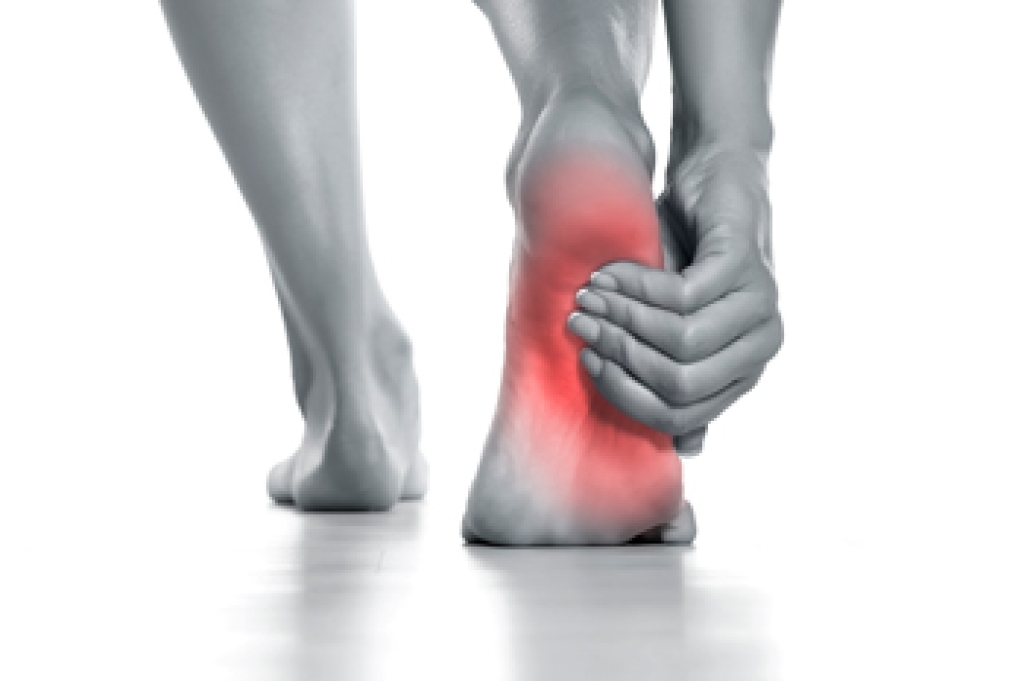
Foot arch pain can affect people of all ages and activity levels. It often develops when the structures that support the arch become strained or inflamed due to overuse, flat feet, high arches, or sudden changes in activity. Symptoms include aching, burning, or sharp pain along the inner or central part of the foot that worsens with standing or walking. The foot may look normal or show subtle swelling, and the arch can feel tender or fatigued, especially first thing in the morning or after long periods on the feet. A podiatrist can help by starting with a detailed history and physical examination, sometimes supported by imaging, to identify the exact cause. Treatment may begin with footwear guidance and custom orthotics, followed by targeted exercises, activity modification, and other therapies to reduce strain and improve support. If you have foot arch pain, it is suggested that you make an appointment with a podiatrist.

Foot Pain

Foot pain can be extremely painful and debilitating. If you have a foot pain, consult with Dr. David Ungar from Personal Foot Care. Our doctor will assess your condition and provide you with quality foot and ankle treatment.

Causes

Foot pain is a very broad condition that could be caused by one or more ailments. The most common include:

  • Bunions
  • Hammertoes
  • Plantar Fasciitis
  • Bone Spurs
  • Corns
  • Tarsal Tunnel Syndrome
  • Ingrown Toenails
  • Arthritis (such as Gout, Rheumatoid, and Osteoarthritis)
  • Flat Feet
  • Injury (from stress fractures, broken toe, foot, ankle, Achilles tendon ruptures, and sprains)
  • And more

Diagnosis

To figure out the cause of foot pain, podiatrists utilize several different methods. This can range from simple visual inspections and sensation tests to X-rays and MRI scans. Prior medical history, family medical history, and any recent physical traumatic events will all be taken into consideration for a proper diagnosis.

Treatment

Treatment depends upon the cause of the foot pain. Whether it is resting, staying off the foot, or having surgery; podiatrists have a number of treatment options available for foot pain.

If you have any questions, please feel free to contact our office located in Farmington, MI . We offer the newest diagnostic and treatment technologies for all your foot care needs.
Read more about Foot Pain

What to Expect When Children Develop Foot Warts

Cutaneous or foot warts in school-aged children are caused by a common virus that enters the skin through small cuts or abrasions. These warts often appear on the soles of the feet or toes and may look rough, thickened, or grainy. Some children feel no discomfort, while others experience pain while walking or standing. The course of warts varies. In many cases, a child’s immune system clears them over time, but this process can take months or longer. During that time, warts may spread or increase in size, especially in warm, moist environments like locker rooms or near pools. Treatment helps reduce discomfort and limit spread. Options may include topical therapy, gentle removal techniques, or other in- office treatments designed for children. If your child has painful, spreading, or persistent foot warts, it is suggested that you see a podiatrist for a proper diagnosis and appropriate treatment.

Plantar warts can be very uncomfortable. If you need your feet checked, contact Dr. David Ungar from Personal Foot Care. Our doctor will assist you with all of your foot and ankle needs.

About Plantar Warts

Plantar warts are the result of HPV, or human papillomavirus, getting into open wounds on the feet. They are mostly found on the heels or balls of the feet.

While plantar warts are generally harmless, those experiencing excessive pain or those suffering from diabetes or a compromised immune system require immediate medical care. Plantar warts are easily diagnosed, usually through scraping off a bit of rough skin or by getting a biopsy.

Symptoms

  • Lesions on the bottom of your feet, usually rough and grainy
  • Hard or thick callused spots
  • Wart seeds, which are small clotted blood vessels that look like little black spots
  • Pain, discomfort, or tenderness of your feet when walking or standing

Treatment

  • Freezing
  • Electric tool removal
  • Laser Treatment
  • Topical Creams (prescription only)
  • Over-the-counter medications

To help prevent developing plantar warts, avoid walking barefoot over abrasive surfaces that can cause cuts or wounds for HPV to get into. Avoiding direct contact with other warts, as well as not picking or rubbing existing warts, can help prevent the further spread of plantar warts. However, if you think you have developed plantar warts, speak to your podiatrist. He or she can diagnose the warts on your feet and recommend the appropriate treatment options.

If you have any questions, please feel free to contact our office located in Farmington, MI . We offer the newest diagnostic and treatment technologies for all your foot care needs.
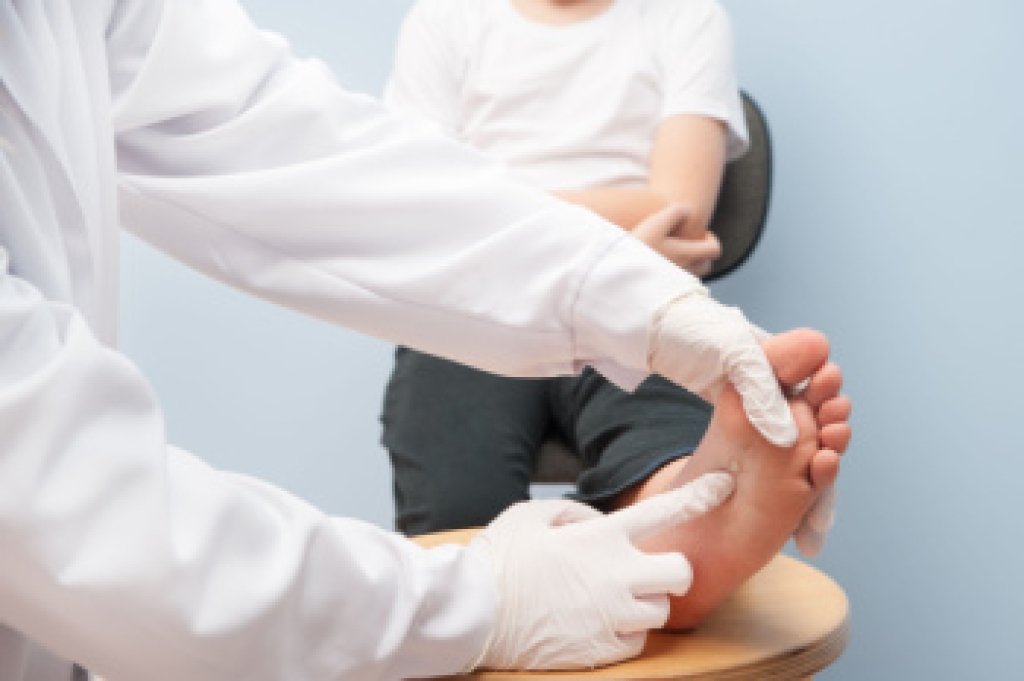
Read more about What Are Plantar Warts?

Do Your Child's Feet Hurt?

Have your child's feet been examined lately? Healthy feet are happy feet. If your child is complaining of foot pain, it may be a sign of underlying problems.

Connect With Us

DAVID UNGAR