When Flat Feet in Toddlers Deserve a Closer Look

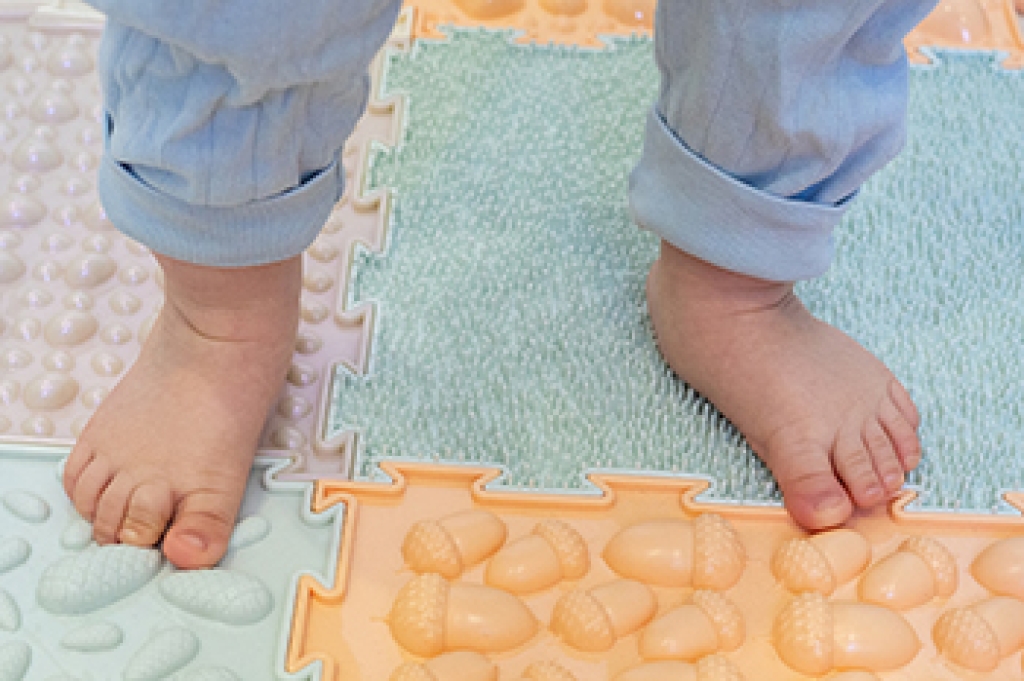
A toddler’s flat feet can worry parents, especially when their footprints show little or no arch. In many cases, a toddler’s feet still contain soft tissue that hides the arch while the bones, muscles, and ligaments continue to develop. Ligaments are strong bands of tissue that support the joints. As children grow, the arch becomes easier to see. Even so, some toddlers develop symptoms that deserve professional attention. Warning signs include foot pain, frequent tripping, or difficulty keeping up with other children. Some toddlers also show uneven shoe wear or seem tired after short periods of play. A podiatrist can determine whether flat feet are part of normal development or whether another condition is affecting the way the feet function.

A podiatrist begins with a thorough medical history and a careful examination while the child is sitting, standing, and walking. Watching a toddler walk helps reveal whether the foot remains flexible or appears stiff. The podiatrist also checks foot alignment, ankle movement, and the position of the heel. Parents can describe pain, changes in activity, or repeated ankle sprains that help guide the evaluation. Imaging, like an X-ray, is not necessary for every child. It is used when pain is unusual, movement is limited, or the podiatrist suspects an underlying bone problem. This careful approach helps identify toddlers who need closer monitoring and those who could benefit from further treatment.

Most toddlers with flexible flat feet do not require surgery. However, children with ongoing pain, reduced function, or a rigid foot shape benefit from prompt evaluation. A podiatrist can recommend supportive shoes or inserts, monitor changes in foot development, and determine whether additional testing is needed. If surgery becomes necessary, it is reserved for carefully selected cases after a thorough examination and accompanying imaging studies. The goal is to improve foot function, relieve pain, and support healthy growth. If your child has problems related to flat feet, it is suggested that you schedule an appointment with a podiatrist for a diagnosis and appropriate treatment.

Flatfoot is a condition many people suffer from. If you have flat feet, contact Dr. David Ungar from Personal Foot Care. Our doctor will treat your foot and ankle needs.

What Are Flat Feet?

Flatfoot is a condition in which the arch of the foot is depressed and the sole of the foot is almost completely in contact with the ground. About 20-30% of the population generally has flat feet because their arches never formed during growth.

Conditions & Problems:

Having flat feet makes it difficult to run or walk because of the stress placed on the ankles.

Alignment – The general alignment of your legs can be disrupted, because the ankles move inward which can cause major discomfort.

Knees – If you have complications with your knees, flat feet can be a contributor to arthritis in that area.  

Symptoms

  • Pain around the heel or arch area
  • Trouble standing on the tip toe
  • Swelling around the inside of the ankle
  • Flat look to one or both feet
  • Having your shoes feel uneven when worn

Treatment

If you are experiencing pain and stress on the foot you may weaken the posterior tibial tendon, which runs around the inside of the ankle. 

If you have any questions, please feel free to contact our office located in Farmington, MI . We offer the newest diagnostic and treatment technologies for all your foot care needs.


Read more about Flat Feet

Reminder: When Was the Last Time...?

Custom orthotics, or shoe inserts, should be periodically replaced. Orthotics must fit properly to give you the best results. Protect your feet and ankles!

How Podiatrists Diagnose and Treat Foot Stress Fractures

A foot stress fracture is a tiny crack in a bone caused by repeated strain. Unlike a sudden break from one hard impact, it develops when the bone cannot recover between activities. Runners and dancers can face a higher risk of stress fractures. A fast increase in exercise can also be a factor. Shoes that lack proper support and hard training surfaces can add to the strain. Stress fractures usually affect bones in the front or middle of the foot. Pain may begin as a mild ache during activity, then become sharper.

Other signs include swelling, tenderness, and pain when pressing one spot. The discomfort can ease with rest, but often returns when the foot carries weight. Some patients also notice bruising or trouble walking. These symptoms deserve attention because continuing activity can make the crack worse. A podiatrist will ask how the pain began and examine the sore area. The doctor may order an X-ray or other type of digital imaging to diagnose the injury. A scan can help to confirm the extent and severity of the injury, as well as guide treatment.

Treatment depends on the bone involved and how serious the crack is. A podiatrist can order a walking boot, cast, or supportive device to protect the injured area. This foot doctor can also recommend activity changes and create a plan for a gradual return to exercise. Follow-up visits allow the podiatrist to check healing and adjust the plan. Most stress fractures heal without surgery when they receive early care and enough protection. A podiatrist can also review foot structure, training habits, and shoe support to lower the chance of another injury. If you have symptoms of a foot stress fracture, it is suggested that you schedule an appointment with a podiatrist for a diagnosis and appropriate treatment.

Stress fractures occur when there is a tiny crack within a bone. To learn more, contact Dr. David Ungar from Personal Foot Care. Our doctor can provide the care you need to keep you pain free and on your feet.

How Are They Caused?

Stress fractures are the result of repetitive force being placed on the bone. Since the lower leg and feet often carry most of the body’s weight, stress fractures are likely to occur in these areas. If you rush into a new exercise, you are more likely to develop a stress fracture since you are starting too much, too soon.  Pain resulting from stress fractures may go unnoticed at first, however it may start to worsen over time.

Risk Factors

  • Gender – They are more commonly found in women compared to men.
  • Foot Problems – People with unusual arches in their feet are more likely to develop stress fractures.
  • Certain Sports – Dancers, gymnasts, tennis players, runners, and basketball players are more likely to develop stress fractures.
  • Lack of Nutrients – A lack of vitamin D and calcium may weaken the bones and make you more prone to stress fractures
  • Weak Bones – Osteoporosis can weaken the bones therefore resulting in stress fractures

Stress fractures do not always heal properly, so it is important that you seek help from a podiatrist if you suspect you may have one. Ignoring your stress fracture may cause it to worsen, and you may develop chronic pain as well as additional fractures.

If you have any questions please contact our office located in Farmington, MI . We offer the newest diagnostic and treatment technologies for all your foot and ankle needs.

Read more about Stress Fractures of the Foot and Ankle

What Are the Symptoms of Athlete’s Foot?

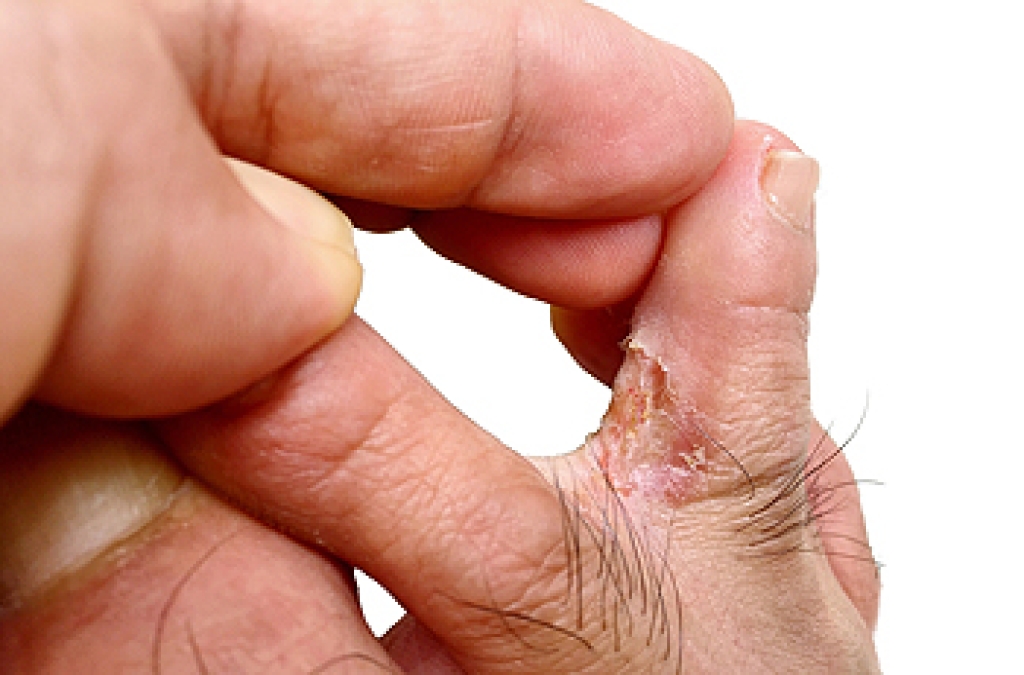
Athlete’s foot is a fungal infection that affects the skin of the feet, especially between the toes and along the soles. Also known as tinea pedis, this condition develops when fungi called dermatophytes grow in warm, damp environments. Athlete’s foot can affect anyone, not just athletes, and it often spreads through contact with contaminated floors, shoes, or shared surfaces. 

Common symptoms of athlete’s foot include itching, peeling skin, and cracking between the toes. Some people may notice a scaly rash on the bottom or sides of the feet, while others may experience blisters or painful skin breaks. Symptoms may become more noticeable after wearing tight shoes or spending long periods in warm, sweaty footwear.


Several factors can increase the risk of developing athlete’s foot. Walking barefoot in public areas such as locker rooms, swimming pools, and communal showers can expose the feet to fungal organisms. Wearing non-breathable shoes, keeping feet damp, and having excessive foot sweating can also create conditions where fungus thrives. Not changing socks regularly may also contribute. People with a weakened immune system, certain medical conditions, or a history of recurring foot infections are at a higher risk of developing athlete’s foot.


Athlete’s foot is caused by the overgrowth of fungi that feed on dead skin cells. The infection spreads easily because these fungi can survive in moist environments and transfer from one person to another. Prevention includes keeping feet clean and dry, wearing moisture-wicking socks, and choosing breathable footwear. Avoiding sharing shoes or towels also helps. Treatment may include antifungal medications, proper foot hygiene, and professional evaluation when symptoms persist or worsen. A podiatrist can help identify the specific cause of foot irritation and recommend effective treatment options to restore healthy skin. If you have symptoms of athlete’s foot, it is suggested that you consult a podiatrist for an accurate diagnosis and appropriate treatment.

Athlete’s foot is an inconvenient condition that can be easily reduced with the proper treatment. If you have any concerns about your feet and ankles, contact Dr. David Ungar from Personal Foot Care.  Our doctor will treat your foot and ankle needs.

Athlete’s Foot: The Sole Story

Athlete's foot, also known as tinea pedis, can be an extremely contagious foot infection. It is commonly contracted in public changing areas and bathrooms, dormitory style living quarters, around locker rooms and public swimming pools, or anywhere your feet often come into contact with other people.

Solutions to Combat Athlete’s Foot

  • Hydrate your feet by using lotion
  • Exfoliate
  • Buff off nails
  • Use of anti-fungal products
  • Examine your feet and visit your doctor if any suspicious blisters or cuts develop

Athlete’s foot can cause many irritating symptoms such as dry and flaking skin, itching, and redness. Some more severe symptoms can include bleeding and cracked skin, intense itching and burning, and even pain when walking. In the worst cases, Athlete’s foot can cause blistering as well. Speak to your podiatrist for a better understanding of the different causes of Athlete’s foot, as well as help in determining which treatment options are best for you.

If you have any questions please feel free to contact our office located in Farmington, MI . We offer the newest diagnostic and treatment technologies for all your foot and ankle needs.

Read more about How to Deal with Athlete's Foot

Hiker’s Toenail and Trail-Related Toe Injuries

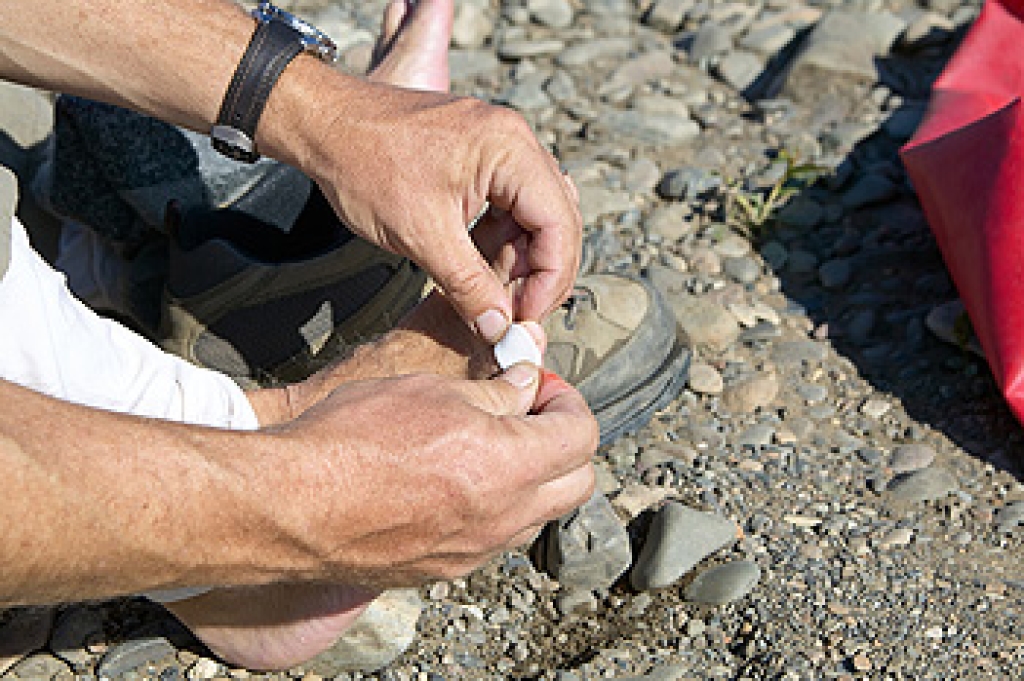
Toe pain during hiking can result from repeated impact, friction, and pressure placed on the feet over time. One of the most common causes is hiker’s toenail, a condition where the nail becomes damaged due to constant contact with the inside of the boot. This issue is especially common during long hikes or steep descents, where the toes are pushed forward repeatedly. Recognizing the definition and causes of hiking-related toe pain can help individuals take steps to prevent discomfort and injury.

Common symptoms include aching pain, swelling, redness, and sensitivity in the toes. Hikers may also notice darkened toenails, which can indicate bruising beneath the nail surface. Risk factors include poorly fitted hiking boots, long or uneven toenails, and excessive moisture within the shoe. These factors increase friction and pressure, leading to irritation and potential nail damage. Carrying heavy loads or hiking on rugged terrain can further increase stress on the toes.


Proper preparation plays a key role in preventing toe injuries. Trimming toenails before a hike helps reduce the chance of nail impact against the boot. Selecting well-fitted hiking boots with adequate toe space allows for natural movement and reduces pressure. Secure lacing can prevent the foot from sliding forward, especially on downhill paths. Moisture control through breathable socks can also help minimize friction and protect the skin from irritation.


Maintaining healthy feet is essential for safe and enjoyable hiking. Addressing risk factors and using proper gear can significantly reduce the likelihood of toe pain. These steps support comfort and help prevent long-term issues. If you have toe pain from hiking or signs of hiker’s toenail, it is suggested that you consult a podiatrist for effective relief and treatment solutions. 

Toe pain can disrupt your daily activities. If you have any concerns, contact Dr. David Ungar of Personal Foot Care. Our doctor can provide the care you need to keep you pain-free and on your feet.

What Causes Toe Pain?

Most severe toe pain is caused due to a sports injury, trauma from dropping something heavy on the toe, or bumping into something rigid. Other problems can develop over time for various reasons.

Toe pain can be caused by one or more ailments. The most common include:

  • Trauma
  • Sports injury
  • Wearing shoes that are too tight
  • Arthritis
  • Gout
  • Corns and calluses
  • Hammertoe
  • Bunions
  • Blisters
  • Ingrown toenails
  • Sprains
  • Fractures (broken bones)
  • Dislocations

When to See a Podiatrist

  • Severe pain
  • Persistent pain that lasts more than a week
  • Signs of infection
  • Continued swelling
  • Pain that prevents walking

Diagnosis

In many cases the cause of toe pain is obvious, but in others, a podiatrist may want to use more advanced methods to determine the problem. These can range from simple visual inspections and sensation tests to X-rays and MRI scans. Prior medical history, family medical history, and any recent physical traumatic events will all be taken into consideration for a proper diagnosis.

Treatment

Treatments for toe pain and injuries vary and may include shoe inserts, padding, taping, medicines, injections, and in some cases, surgery. If you believe that you have broken a toe, please see a podiatrist as soon as possible.

If you have any questions please contact our office located in Farmington, MI . We offer the newest diagnostic and treatment technologies for all your foot and ankle needs.

Read more about Toe Pain

Connect With Us

Advanced Podiatric Procedures & Services in the Oakland County area