Connect With Us

Tuesday, 30 January 2024 00:00
Ankle Pain
The ankle joint is the point at which the bones of the leg and foot join. This joint is crucial because it is responsible for the foot’s mobility. Ankle pain is typically the result of inflammation from an injury to bones, joint space, cartilage, ligaments, tendons, or muscles in the area. Commonly associated symptoms with ankle pain are bruising, redness, numbness, stiffness, weakness, and tingling.
The most common causes of ankle pain are sprains and injuries. Ankle sprains are one of the most common musculoskeletal injuries. Sprains occur when the ligaments of the ankle become partially or completely torn due to sudden stretching. Sprains can occur on either the inner or outer sides of the ankle joint. Usually, these injuries occur when the ankle is twisted in an activity by stepping off an uneven surface. More specific causes include rheumatoid arthritis, gout, osteoarthritis, and Achilles tendonitis.
If you are experiencing ankle pain, you should consult with your podiatrist to choose the best method of care. Your doctor will conduct an examination of your ankle to determine the underlying cause of the pain.
Published in Featured
Tagged under
Tuesday, 23 January 2024 00:00
Heel Stretches May Help to Relieve Foot Pain


Heel stretch exercises can offer an effective solution for relieving foot pain and tightness. One beneficial heel stretch is the gastrocnemius heel stretch, performed by standing facing a wall with the leg to be stretched behind and toes pointing forward. Start by keeping the back heel down and the knee straight while lunging forward onto the front leg. This helps to reduce tension and friction on foot structures, ultimately alleviating foot and ankle pain. Another helpful technique is the foot pull stretch. Sit with one leg crossed over the other, and gently pull all toes back toward the shin to provide relief for plantar fascia tightness. The ball rolling exercise is accomplished by sitting with the foot resting on a golf or tennis ball and rolling it backward and forward. This has been effective in stretching the soft tissues underneath the heel and ball of the foot, which may ease pain from plantar fasciitis. Incorporating these stretches into a daily routine can significantly contribute to diminishing foot pain and enhancing overall foot health, promoting a more comfortable and pain free lifestyle. If you are experiencing foot or heel pain, it is suggested that you schedule an appointment with a podiatrist for an examination and treatment options.
Stretching the feet is a great way to prevent injuries. If you have any concerns with your feet consult with Dr. David Ungar from Personal Foot Care. Our doctor will assess your condition and provide you with quality foot and ankle treatment.
Stretching the Feet
Stretching the muscles in the foot is an important part in any physical activity. Feet that are tight can lead to less flexibility and make you more prone to injury. One of the most common forms of foot pain, plantar fasciitis, can be stretched out to help ease the pain. Stretching can not only ease pain from plantar fasciitis but also prevent it as well. However, it is important to see a podiatrist first if stretching is right for you. Podiatrists can also recommend other ways to stretch your feet. Once you know whether stretching is right for you, here are some excellent stretches you can do.
- Using a foam roller or any cylindrical object (a water bottle or soda can will do), roll the object under your foot back and forth. You should also exert pressure on the object. Be sure to do this to both feet for a minute. Do this exercise three times each.
- Similar to the previous one, take a ball, such as a tennis ball, and roll it under your foot while seated and exert pressure on it.
- Grab a resistance band or towel and take a seat. If you are using a towel, fold it length wise. Next put either one between the ball of your foot and heel and pull with both hands on each side towards you. Hold this for 15 seconds and then switch feet. Do this three times for each foot.
- Finally hold your big toe while crossing one leg over the other. Pull the toe towards you and hold for 15 seconds. Once again do this three times per foot.
It is best to go easy when first stretching your foot and work your way up. If your foot starts hurting, stop exercising and ice and rest the foot. It is advised to then see a podiatrist for help.
If you have any questions, please feel free to contact our office located in Farmington, MI . We offer the newest diagnostic and treatment technologies for all your foot care needs.
Published in Blog
Tagged under
Tuesday, 23 January 2024 00:00
How to Stretch Your Feet
Your feet endure a great amount of stress each day from constantly allowing us to move around. It is important to stretch your feet to help prevent them from becoming injured. Your toes may easily deform into unhealthful positions if they are not stretched.
One of the most common reasons for toe deformities are the shoes you may be wearing. Shoes that are too tight may fold and shift the toes out of place. Heeled shoes may also push your toes upward. Forcing your toes into an unnatural position which may cause the muscles to tighten and prevent them from reverting to normal length. Another common reason is improper use of foot muscles. Many people fail to use the muscles in their feet or toes when they walk. Lastly, the positioning of your feet while walking may also cause toe deformities. If you walk with your feet facing outward, your “push-off” phase is on the side of your big toe instead of the bottom of your foot. This may cause the big toe to eventually tighten into a new shifted position.
There are many reasons why stretching your toes may be helpful. One reason is that healthy spacing may aid in avoiding calluses and other injuries that are caused by rubbing. Stretching will also prevent you from developing toes that curl, hammertoes, or bunions.
A great way to stretch your toes is to place them in your hands and bend them all downward; this will help you stretch the top of your foot. Next, you should repeat this process but instead bend them upward enough to feel a nice stretch in the bottom of your foot. You should then try to pull each toe apart from the next and pull any toes that are bent upward until they are back downward.
If you are looking to practice stretching your entire foot, you can try a towel stretch. This is done by sitting on the floor with your legs in front of you. Take a towel and wrap it around your toes. Afterward, pull the towel toward you with your toes and hold this position for 15 to 30 seconds before releasing. Practice this stretch for three sets. Another stretch your feet are towel lifts. This is done by sitting in a chair and trying to pick a towel up from the ground with your toes. Try lifting the towel with your little toes for five sets before switching feet.
If you are an athlete, or exercise often, it is especially important for you to practice stretching your feet. Those who suffer from foot pain caused by poor footwear, plantar fasciitis, or long hours of standing at work may also benefit from foot exercises.
Published in Featured
Tagged under
Tuesday, 16 January 2024 00:00
Definition and Causes of Gout
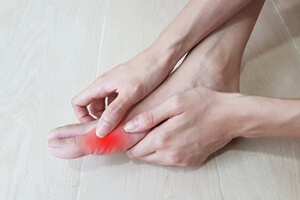
Gout, a form of inflammatory arthritis, unfolds as a consequence of the crystallization of uric acid in the joints. Uric acid, a byproduct of purine metabolism, accumulates in the bloodstream when the body either produces too much or eliminates too little of it. This surplus uric acid transforms into sharp crystals, typically depositing in joints, most commonly the big toe. The inflammatory response triggered by these crystals leads to the excruciating pain, swelling, and redness characteristic of gout attacks. Contributing factors to elevated uric acid levels include a diet rich in purine-containing foods, excessive alcohol consumption, and certain medical conditions affecting uric acid regulation. Gout often manifests in intermittent attacks, emphasizing the cyclical nature of the condition. If you have severe pain in your big toe, it is strongly suggested that you visit a podiatrist who can accurately diagnose and treat gout.
Gout is a painful condition that can be treated. If you are seeking treatment, contact Dr. David Ungar from Personal Foot Care. Our doctor will treat your foot and ankle needs.
What Is Gout?
Gout is a form of arthritis that is characterized by sudden, severe attacks of pain, redness, and tenderness in the joints. The condition usually affects the joint at the base of the big toe. A gout attack can occur at any random time, such as the middle of the night while you are asleep.
Symptoms
- Intense Joint Pain - Usually around the large joint of your big toe, and it most severe within the first four to twelve hours
- Lingering Discomfort - Joint discomfort may last from a few days to a few weeks
- Inflammation and Redness -Affected joints may become swollen, tender, warm and red
- Limited Range of Motion - May experience a decrease in joint mobility
Risk Factors
- Genetics - If family members have gout, you’re more likely to have it
- Medications - Diuretic medications can raise uric acid levels
- Gender/Age - Gout is more common in men until the age of 60. It is believed that estrogen protects women until that point
- Diet - Eating red meat and shellfish increases your risk
- Alcohol - Having more than two alcoholic drinks per day increases your risk
- Obesity - Obese people are at a higher risk for gout
Prior to visiting your podiatrist to receive treatment for gout, there are a few things you should do beforehand. If you have gout you should write down your symptoms--including when they started and how often you experience them, important medical information you may have, and any questions you may have. Writing down these three things will help your podiatrist in assessing your specific situation so that he or she may provide the best route of treatment for you.
If you have any questions, please feel free to contact our office located in Farmington, MI . We offer the newest diagnostic and treatment technologies for all your foot care needs.
Published in Blog
Tagged under
Tuesday, 16 January 2024 00:00
Gout
Gout is a form of arthritis that is caused by a buildup of uric acid crystals in the joints. This considered to be one of the most frequently recorded medical illnesses throughout history. Gout occurrences in the US have risen within the past twenty years and the condition now affects 8.3 million people which is 4% of all Americans. Researchers have found that gout affects men more than women and African-American men more than white men.
Symptoms of gout are warmth, swelling, discoloration, and tenderness in the affected joint area. The small joint on the big toe is the most common place for a gout attack to occur.
People who are obese, gain weight excessively, drink alcohol heavily, have high blood pressure, or have abnormal kidney function are more likely to develop gout. Furthermore, certain drugs and diseases are likely to increase levels of uric acid in the joints which eventually leads to gout. You are also more likely to develop gout if you eat a lot of meat and fish.
Many who experience gout attacks will experience repeated attacks over the years. Some people who have gout symptoms, may never have them again, but others may experience them several times a year. If you have gout symptoms throughout the year, you may have recurrent gout. Those who have gout should also be careful about their urate crystals collecting in their urinary tract, because this may lead to kidney stones.
Diagnosis for gout is done by checking the level of uric acid in the joints and blood. Your podiatrist may also prescribe medicine to reduce uric acid buildup in the blood, which will help prevent any gout attacks.
To treat gout, your podiatrist may also prescribe you Anti-inflammatory medication (NSAIDs) which will relieve the pain and swelling of a gout episode and it can also shorten a gout attack. Maintaining a healthy diet is also a proven method to prevent gout attacks.
Published in Featured
Tagged under
Wednesday, 10 January 2024 00:00
Heel Pain Can Be Treated!


Do you suffer from heel pain when you get up in the morning? If so, you should seek professional help and have a proper diagnosis performed. Heel pain can be caused by several different foot-related conditions.
Published in Blog
Tagged under
Tuesday, 09 January 2024 00:00
Symptoms of Peripheral Artery Disease
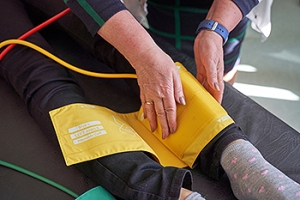
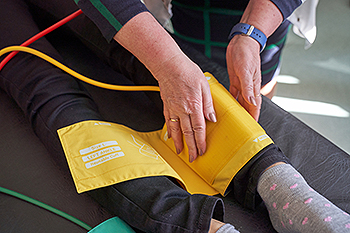
Peripheral artery disease, also known as PAD, can manifest with a range of symptoms. Roughly half of individuals with PAD experience typical symptoms. Others may have atypical or no symptoms at all. Regardless of the presence or absence of symptoms, individuals with PAD face an increased risk of cardiovascular disease. Left untreated, PAD can lead to serious complications, such as ulcers and infections. Common signs of PAD are intermittent pain, aching, heaviness, or cramping in the legs during activities such as walking or climbing stairs. This discomfort typically subsides with rest and is often felt in the calf but can also occur in the buttocks, thigh, or foot. Additionally, PAD may lead to changes in toenails and leg hair growth, with one foot possibly feeling colder than the other. The affected leg or foot may appear pale, discolored, or even blue. Some individuals may experience leg weakness or numbness, making walking more challenging, and report sensations like pins and needles. In severe cases, blockage of blood flow can result in pain even at rest. Advanced PAD can cause sores or wounds on the toes, feet, or legs, which may heal slowly or not at all and are prone to infections. These symptoms emphasize the importance of scheduling an appointment with a podiatrist for early detection and prompt treatment to manage PAD effectively and reduce the risk of complications.
Peripheral artery disease can pose a serious risk to your health. It can increase the risk of stroke and heart attack. If you have symptoms of peripheral artery disease, consult with Dr. David Ungar from Personal Foot Care. Our doctor will assess your condition and provide you with quality foot and ankle treatment.
Peripheral artery disease (PAD) is when arteries are constricted due to plaque (fatty deposits) build-up. This results in less blood flow to the legs and other extremities. The main cause of PAD is atherosclerosis, in which plaque builds up in the arteries.
Symptoms
Symptoms of PAD include:
- Claudication (leg pain from walking)
- Numbness in legs
- Decrease in growth of leg hair and toenails
- Paleness of the skin
- Erectile dysfunction
- Sores and wounds on legs and feet that won’t heal
- Coldness in one leg
It is important to note that a majority of individuals never show any symptoms of PAD.
Diagnosis
While PAD occurs in the legs and arteries, Podiatrists can diagnose PAD. Podiatrists utilize a test called an ankle-brachial index (ABI). An ABI test compares blood pressure in your arm to you ankle to see if any abnormality occurs. Ultrasound and imaging devices may also be used.
Treatment
Fortunately, lifestyle changes such as maintaining a healthy diet, exercising, managing cholesterol and blood sugar levels, and quitting smoking, can all treat PAD. Medications that prevent clots from occurring can be prescribed. Finally, in some cases, surgery may be recommended.
If you have any questions, please feel free to contact our office located in Farmington, MI . We offer the newest diagnostic and treatment technologies for all your foot care needs.
Published in Blog
Tagged under
Tuesday, 09 January 2024 00:00
Peripheral Artery Disease
Peripheral artery disease (PAD), or peripheral arterial disease, is a circulatory problem in which there is a reduction of blood flow to the limbs due to narrowed arteries. When peripheral artery disease develops, the extremities do not receive enough blood flow; this may cause symptoms to develop such as claudication, or leg pain when walking. The legs are the most common site of peripheral artery disease.
Claudication, or leg pain when walking, is one of several symptoms that can develop due to peripheral artery disease. Other symptoms caused by the disease include painful cramping in the hips, thighs, or calves after certain activities; leg numbness or weakness; coldness in the lower leg or foot; sores on the lower extremities that do not heal; hair loss on the lower extremities; and a missing or weak pulse in the lower extremities. In more severe cases, pain may even occur when the body is at rest or when lying down.
Peripheral artery disease is typically caused by atherosclerosis, a condition in which fatty deposits build up in the arterial walls and reduce blood flow. Smoking, diabetes, obesity, high blood pressure, and high cholesterol are some of the risk factors for peripheral artery disease.
If you are experiencing pain, numbness, or other symptoms in the lower extremities, see your healthcare professional immediately. Diagnosed peripheral artery disease can be treated with various medications, angioplasty and surgery, exercise programs, or alternative medicine. It is important to consult a healthcare professional to determine the best treatment for you.
Published in Featured
Tagged under
Tuesday, 02 January 2024 00:00
Various Causes of Heel Pain
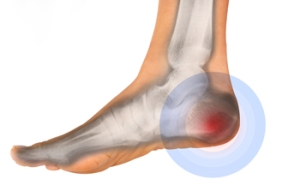
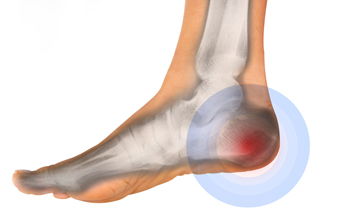
Heel pain, a pervasive discomfort impacting daily activities, can be attributed to a myriad of factors. Plantar fasciitis, a common cause, arises from inflammation of the plantar fascia, the tissue connecting the heel bone to the toes. Excessive strain on this ligament, often from overuse or wearing improper footwear, can lead to stabbing pain. Achilles tendonitis, inflammation of the Achilles tendon at the back of the heel, contributes to discomfort, particularly in activities that stress the calf muscles. Additionally, heel spurs, bony protrusions at the bottom of the heel, may result from prolonged plantar fasciitis, causing intermittent or chronic pain. Other potential causes may include stress fractures, nerve impingement, or bursitis. Foot anatomy, gait abnormalities, and excessive weight can further exacerbate heel pain. Identifying the specific factors that contribute to heel pain is essential for tailored interventions. If you have heel pain, it is strongly suggested that you are under the care of a podiatrist who can determine the cause and offer appropriate treatment methods.
Many people suffer from bouts of heel pain. For more information, contact Dr. David Ungar of Personal Foot Care. Our doctor can provide the care you need to keep you pain-free and on your feet.
Causes of Heel Pain
Heel pain is often associated with plantar fasciitis. The plantar fascia is a band of tissues that extends along the bottom of the foot. A rip or tear in this ligament can cause inflammation of the tissue.
Achilles tendonitis is another cause of heel pain. Inflammation of the Achilles tendon will cause pain from fractures and muscle tearing. Lack of flexibility is also another symptom.
Heel spurs are another cause of pain. When the tissues of the plantar fascia undergo a great deal of stress, it can lead to ligament separation from the heel bone, causing heel spurs.
Why Might Heel Pain Occur?
- Wearing ill-fitting shoes
- Wearing non-supportive shoes
- Weight change
- Excessive running
Treatments
Heel pain should be treated as soon as possible for immediate results. Keeping your feet in a stress-free environment will help. If you suffer from Achilles tendonitis or plantar fasciitis, applying ice will reduce the swelling. Stretching before an exercise like running will help the muscles. Using all these tips will help make heel pain a condition of the past.
If you have any questions please contact our office located in Farmington, MI . We offer the newest diagnostic and treatment technologies for all your foot and ankle needs.
Published in Blog
Tagged under
Tuesday, 02 January 2024 00:00
Heel Pain
Heel pain can be difficult to deal with, especially if you do not know what the underlying cause is. If you ignore your heel pain, the pain can magnify and potentially develop into a chronic condition. Depending on the location of your heel pain, you have developed a specific condition.
One condition is plantar fasciitis. Plantar fasciitis is caused by the inflammation of the plantar fascia, or the band of tissue that connects the heel bone to the base of the toes. The pain from this condition is initially mild but can intensify as more steps are taken when you wake up in the morning. To treat this condition, medication will likely be necessary. Plantar fasciitis is often associated with heel spurs; both require rest and special stretching exercises.
There are various options your podiatrist may suggest for heel pain. Treatment options for heel pain typically include non-steroidal anti-inflammatory drugs (NSAIDS), which may reduce swelling and pain. Other options are physical therapy, athletic taping, and orthotics. In severe cases of heel pain, surgery may be required.
Preventing heel pain is possible. If you are looking to prevent heel pain from developing in the future, be sure to wear shoes that fit you properly and do not have worn down heels or soles. Be sure to warm up properly before participating in strenuous activities or sports that place a lot of a stress on the heels. If you are experiencing any form of heel pain, speak with your podiatrist to determine the underlying cause and receive the treatment you need.
Published in Featured
Tagged under

